


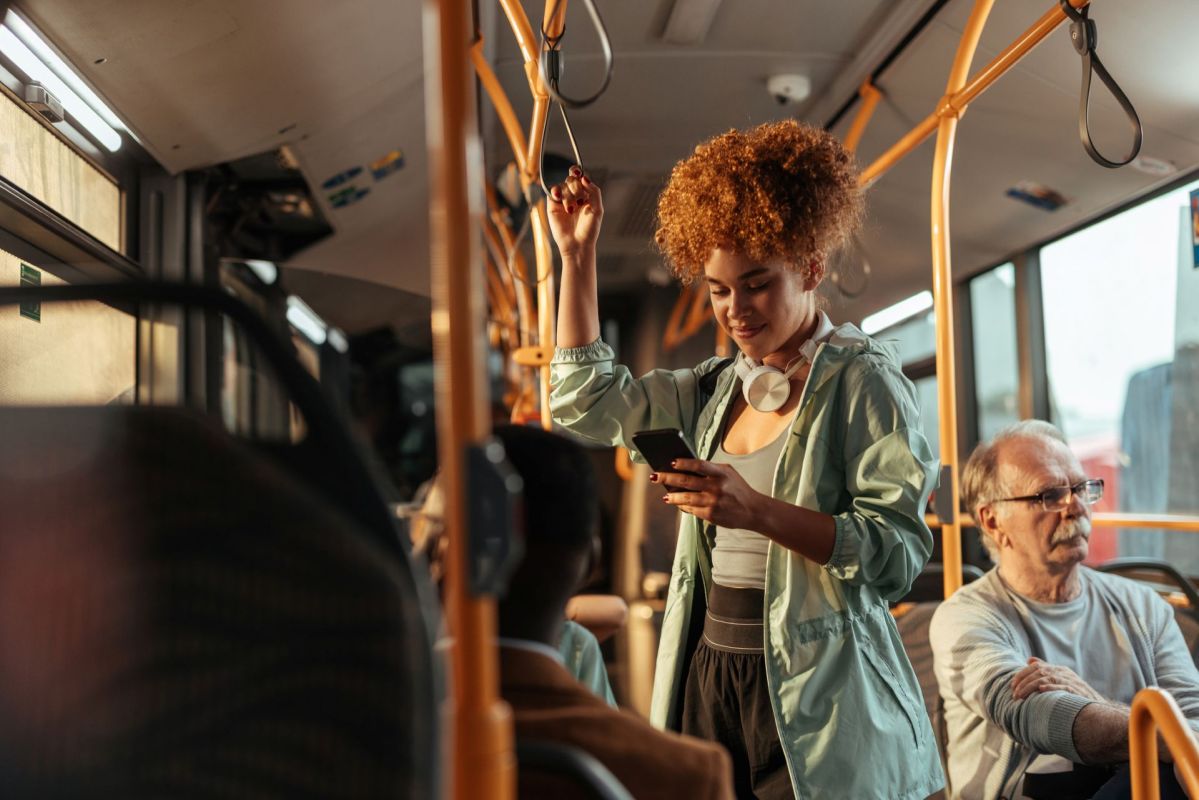
Passengers in England could be fined up to £100 for playing music loudly on buses, as part of a wider government effort to curb antisocial behavior, the BBC reported.
That broader effort goes beyond noise complaints, also targeting littering, vaping, and threatening behavior. On the rail network, passengers are also being reminded that rules limiting loud music — and even singing — have been in place since 2005.
Here's what to know
The government introduced powers in England that let local authorities set and enforce bus rules, and it has now issued guidance on how those authorities can use them. Any such rules would still need the transport secretary's approval, and people who break them could face fixed penalties of up to £100.
A new national rail campaign is being built around the message "share the carriage, not the noise," but trains already operate under tougher rules. Passengers who keep playing audio aloud after being warned can be removed from a train or fined up to £1,000.
Polling from Ofcom, YouGov, and Transport for London suggests the practice is unpopular. Some people have taken to calling it "loudcasting" or "sodcasting."
More background
Transport advocates support the proposal, saying antisocial behavior can make buses and trains less accessible and less appealing to use. Michael Solomon Williams from the Campaign for Better Transport told the BBC it can be a "real deterrent" to using public transport, "especially those with different accessibility needs."
TCD Picks » Quince Spotlight
💡These best-sellers from Quince deliver affordable, sustainable luxury for all




Passenger confidence is already a concern. Alex Campbell from independent watchdog Transport Focus said: "Four in 10 passengers say that anti-social behaviour has made them feel vulnerable when travelling."
Labor groups and opposition politicians have also argued that noise is only one part of a broader safety issue. Maryam Eslamdoust, general secretary of the TSSA transport union, called the crackdown "a step in the right direction" but said the government must "urgently confront the violence, threats and abuse faced by passengers and transport workers." Conservative shadow transport secretary Richard Holden added that reported assaults on rail employees were up 68%.
What's being done?
The government said bus drivers would not be expected to enforce the new rules. Instead, authorized officers — including Transport Safety Officers and the Police — would respond to incidents, addressing concerns about whether a lone driver could safely challenge disruptive passengers.
Asked about the policy on BBC Breakfast, Chris McDonald, Minister for Science, Research and Innovation, said passengers can report the behavior to staff "or the British Transport Police if they wish" rather than confront someone themselves. "They don't have to tackle the individual themselves if they don't feel confident to do that," he said.
Transport for London already enforces a comparable rule on the Underground through bylaws that ban playing music or other content aloud. It said enforcement officers first ask the passenger to stop and that "most people comply at this stage." Someone who refuses can be told to leave the train or reported for possible prosecution. The national rail campaign will also appear across operator websites, social media, and in carriages.
Alex Campbell from Transport Focus said, "Measures that reduce nuisance behaviour, such as playing loud music and vaping, can help improve people's experience and encourage more people to choose public transport."

Get TCD's free newsletters for easy tips, smart advice, and a chance to earn $5,000 toward home upgrades. To see more stories like this one, change your Google preferences here.






