


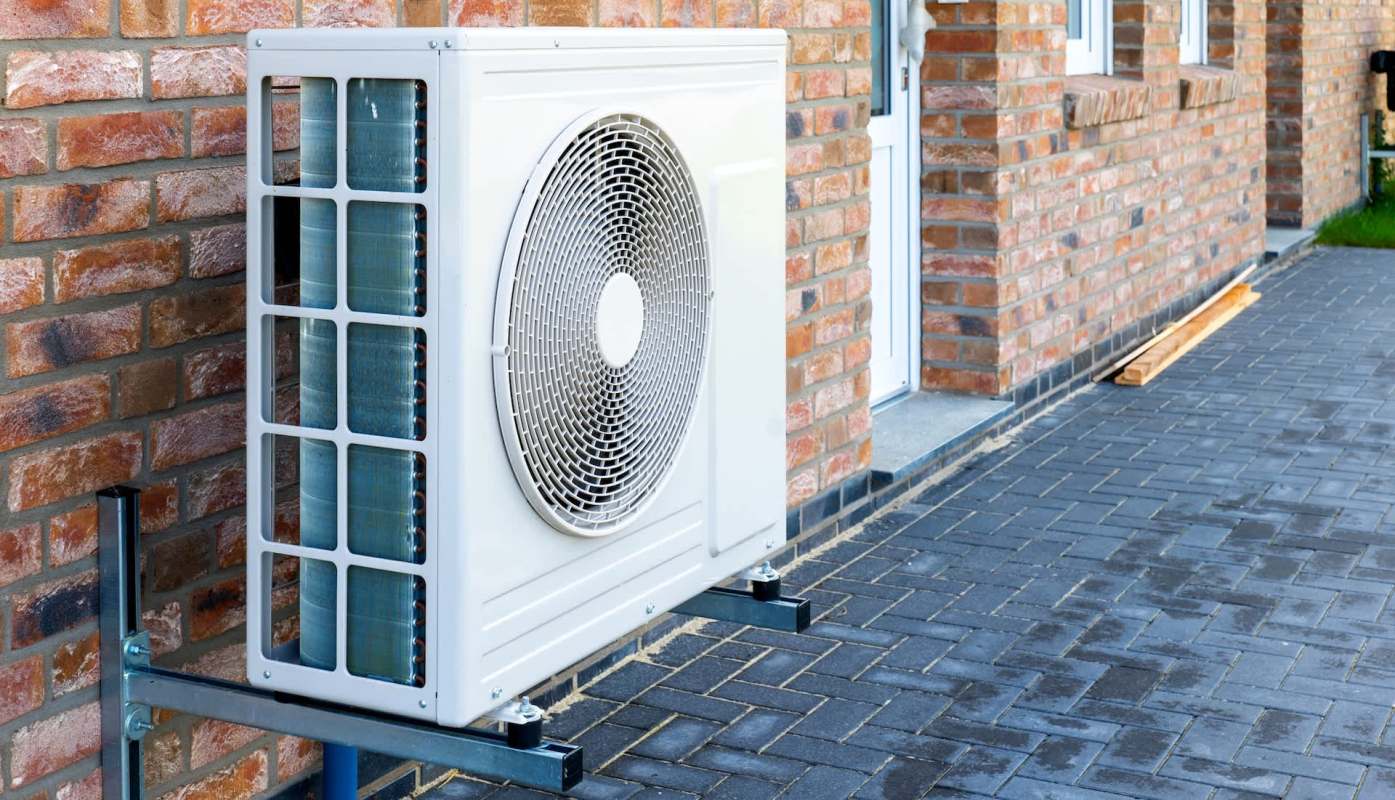
Nine states, including California, are trying a bulk-buying model — akin to Costco's bulk pricing — to bring down the cost of electric heat pumps.
If the effort works, homeowners could see lower upfront costs for a system that can cut utility bills and shield struggling households from rising energy prices, according to Streamline Feed.
What's happening?
Rather than leaving homeowners, contractors, and distributors to buy systems separately, nine states are trying to consolidate that demand and negotiate as a single buyer.
The result is a coalition-led bulk-purchasing effort for the technology, with Colorado, Maine, Maryland, Massachusetts, New Jersey, New York, Oregon, and Rhode Island joining.
By placing larger shared orders, California and the other participating states hope manufacturers will streamline production and lower per-unit prices.
The coalition has also signed a memorandum of understanding that sets a goal for zero-emission technologies to make up 65% of residential heating and cooling shipments by 2030.
For a typical U.S. household, installing a residential heat pump generally costs about $8,000 to $12,000.
If you want to understand your options, EnergySage's heat pump marketplace can find efficient heating and cooling solutions for your home and connect you with vetted installers — a useful first step if your goal is to slash your energy bills with a new, efficient HVAC system.
Crushed by your bills? See instant solar savings from vetted installers in just a few clicks With energy prices through the roof, there's never been a better time to go solar — and EasyHome can help you find the best prices from the best installers in your area. EasyHome takes the guesswork and headaches out of energy upgrades by showing you estimated savings from a network of vetted local partners. To get started, just enter your ZIP and share a few details about your home — seeing your estimate is really that easy. |

Why does it matter?
Decisions about heating and cooling equipment are among the biggest a homeowner can make, and lowering the cost of efficient systems could have a huge effect on monthly expenses.
Upgrading a heating and cooling system is one of the best ways to save money on utility bills and protect your monthly budget from skyrocketing energy prices.
The states believe they can achieve as much as a 30% reduction in hardware prices by aggregating demand across millions of households. Installation expenses would still remain, but that kind of discount could bring heat pumps within reach for households that have been priced out.
Large guaranteed orders could enable manufacturers to plan production more efficiently and secure better deals on materials.
That would address some of the pricing pressure created by the fragmented supply chain and could lead to more stable pricing and wider availability.
What's being done?
By consolidating several states' demands into a single purchase order, the California Heat Pump Group is acting as the coalition's lead negotiator.
That stronger bargaining position could also reshape how clean home technologies are sold across North America.
If you're comparing upgrade paths, EnergySage can also be a helpful place to start before you decide how to pay for a new system.
And if you're not ready to spend up front, Palmetto offers a $0-down HVAC leasing program that can lower your energy costs by up to 50%. Palmetto's HVAC leases start at $99/month and include 12 years of free maintenance.
At a lower price point, Merino makes single-room, ultra-efficient HVACs designed to heat and cool specific spaces — and they can be installed in under an hour.
You can also reduce your costs further by pairing solar panels with electric appliances, such as efficient HVAC systems. EnergySage makes it easy to find the best solar system and installer for your home and budget, saving you up to $10,000 on installation.
If this buying plan succeeds, it could turn a cleaner heating and cooling system from a daunting expense into a more practical home upgrade, while giving homeowners another way to lower bills and insulate themselves from future energy price swings.

Get TCD's free newsletters for easy tips, smart advice, and a chance to earn $5,000 toward home upgrades. To see more stories like this one, change your Google preferences here.






