


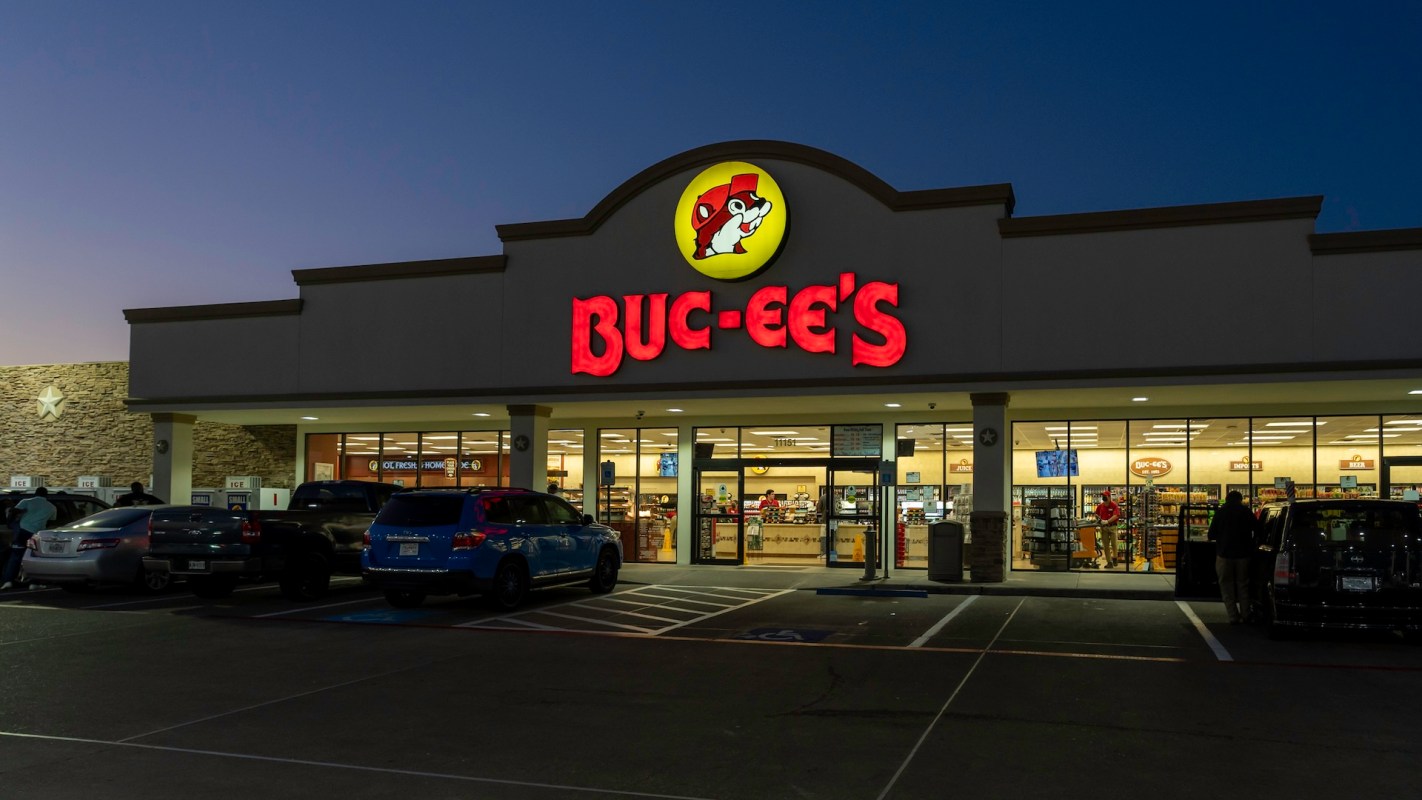
A Buc-ee's plan for Urbandale, Iowa, ran into trouble when the city council declined to approve the land-use revision needed for the project.
As KCCI reported, the decision comes as city leaders weigh large commercial projects against community planning goals, with traffic concerns at the center of the debate.
Here's what to know
In a vote, Urbandale officials turned down a request to change the designation of land near Northwest 100th Street and Northpark Drive, the station said.
The 20-acre parcel is owned by former Des Moines Mayor Frank Cownie, who intends to sell it to Buc-ee's. Questions about congestion and road impacts became a major sticking point as the proposal was considered.
Speaking for Buc-ee's, real estate director Stan Beard said company engineers planned to solve those traffic problems.
"By the time we're finished mitigating for our traffic, it will be a long-term solution for that interchange for everyone else coming in," Beard told KCCI.
TCD Picks » Quince Spotlight
💡These best-sellers from Quince deliver affordable, sustainable luxury for all




Even so, several council members appeared unconvinced that the development matched what the city wants in that part of Urbandale.
More background
When a city designates land for mixed use, it signals support for a more balanced development pattern instead of a single large destination-style project.
Council member Joe Cacciatore said the development would function as far more than an ordinary retail addition.
"This is a destination," he noted, per KCCI. "This is a tourist attraction. You know, this isn't really a big box store. This goes beyond that. And so, as Rose indicated, mixed use remains an appropriate and viable designation."
When a project brings more regional traffic than local benefit, nearby communities can be left dealing with longer traffic delays, tougher commutes, and added strain on surrounding roads, while promised fixes may take years to materialize.
The vote reflects a broader tension in fast-growing communities of whether to embrace high-profile, high-traffic retail projects or stick with planning frameworks designed to support more flexible, locally compatible growth.
What's being done?
Without the requested change in land use, the Buc-ee's proposal cannot proceed at that location.
Urbandale's decision suggests city leaders were not prepared to accept promises of future fixes over current concerns about scale and compatibility.
There was a lot of excitement about the initial project, as KCCI previously reported. While the prospects of a popular gathering spot and roadside attraction are real, if it means constant traffic for locals, that might be a deal-breaker.
There was also some scrutiny regarding the location's plan to have 100 gas pumps but only around 20 electric vehicle chargers, per the station.
Where can I learn more?
Urbandale's vote is one example of how local officials use land-use policy to decide what gets built and what gets protected. Here are a few other cases where government rules shaped development pressure, community standards, and long-term priorities.
• In Florida, lawmakers protected the state's parks from commercial development pressures.
• In HOA communities, residents can change community bylaws when local rules stop reflecting neighborhood priorities.
• In many cities, officials find local policy shapes wasteful behaviors long before residents change habits.
Each of these examples shows how rules on paper can shape what a community becomes over time. That's part of why disputes like the one in Urbandale often hinge on planning principles as much as any single project.

Get TCD's free newsletters for easy tips, smart advice, and a chance to earn $5,000 toward home upgrades. To see more stories like this one, change your Google preferences here.






