


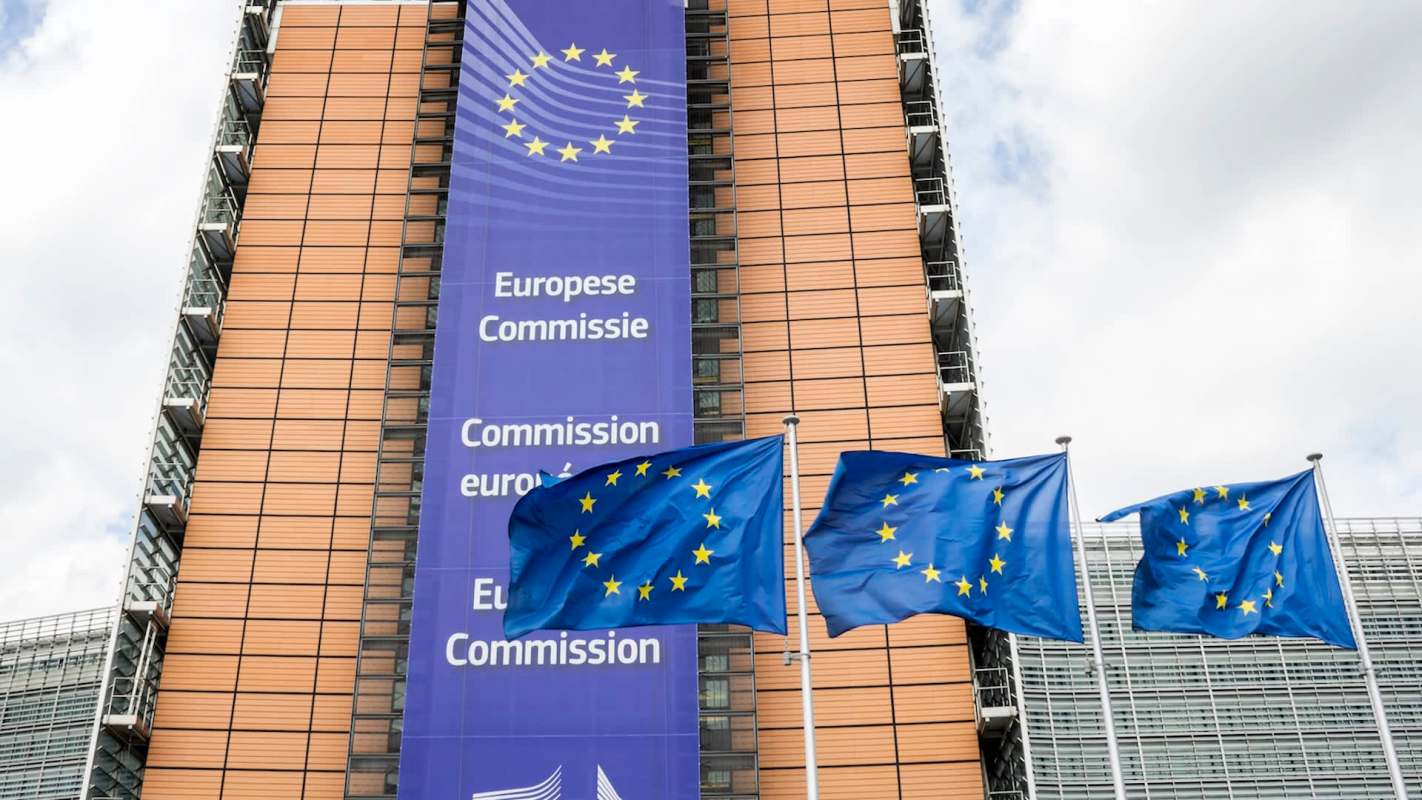
The European Union could be moving toward a major clean-energy policy reset after 2030, one that focuses less on adding new mandates and more on strengthening the systems needed to make renewable power work reliably at scale.
That change could matter as Europe adds more wind and solar capacity but still struggles to move low-cost electricity to where demand is greatest.
Here's what to know
Brussels is preparing changes to the EU's renewable-energy framework, according to Euronews, after deciding that the current rules on their own will not deliver the bloc's 2040 objective of cutting net greenhouse gas emissions by 90% from 1990 levels. The Commission is expected to present a new proposal.
The draft impact assessment describes a less-than-comfortable route to the EU's 2030 clean-energy goal. Renewables accounted for 26.2% of final energy consumption across the bloc in 2025, and that existing national plans would raise that share to only about 41% by 2030 — still below the binding 42.5% target.
According to the draft, the Commission is not convinced that even that lower 41% outcome is guaranteed.
"While the situation varies from one member state to another, the current trajectory for renewable energy deployment suggests that even the projected 41% share may be difficult to achieve with current progress at member state level," read the draft document.
TCD Picks » Quince Spotlight
💡These best-sellers from Quince deliver affordable, sustainable luxury for all




Instead of addressing the gap with another layer of mandatory requirements, Brussels is placing more weight on investment and on implementing the rules already in place.
"The stakeholder feedback received at stakeholder workshops emphasised the importance of regulatory stability in this area and pointed at insufficient implementation of the current framework as the key issue to tackle," read the draft document.
More background
A major bottleneck is the power grid. Europe is producing more renewable electricity, but transmission congestion, insufficient storage, and demand that cannot adjust easily limit how efficiently that power reaches households and businesses.
Renewables supplied nearly half of EU electricity generation in 2025. But in 2024, constrained grids and limited cross-border links left more than 10 terawatt-hours of renewable power unused — roughly enough to meet the annual needs of about 2.85 million homes in Europe.
When grid operators cannot deliver inexpensive renewable electricity to users, they may have to rely on costlier generation elsewhere through redispatch. The Commission estimates those costs were around €4.3 billion (~$4.9 billion) in 2024 and says they could rise to €26 billion (~$29.9 billion) a year by 2030 without intervention.
What's being done?
The draft outlines several possible responses, such as better tracking of curtailment, clearer rules for projects that pair renewables with storage, and stronger incentives to invest in flexibility. It also highlights electric vehicles and smart charging as potential tools for balancing the grid.
Separately, EU lawmakers are already advancing grid-focused legislation. Tsvetelina Penkova, a Bulgarian EU lawmaker leading negotiations on the file, said the planned rules should help reduce electricity-price disparities across EU countries and regions.
Parliament has also supported a more centralized system for long-term energy infrastructure planning. That approach would put the Commission in charge of mapping the bloc's future energy system as an opening step toward a more coordinated way of identifying new grid needs. Even so, several EU countries may oppose the effort over concerns about national sovereignty.
Veerle Dossche, renewable energy program manager at the NGO Climate Action Network Europe, said the Commission's impact assessment makes a "compelling case" for an ambitious, binding post-2030 renewable energy target. However, she said delivery must go beyond ambition.
"This requires robust national contributions, clear trajectories and effective compliance mechanisms, backed by measurable KPIs, so that early warnings trigger corrective action when member states fall off track," Dossche said.
Where can I learn more?
The debate in Brussels is playing out alongside bigger questions about the EU's next climate target and whether the power system can keep pace. That helps explain why the post-2030 conversation is increasingly focused on grids, storage, and the political coordination needed to make all that new renewable power usable.
• EU member states spark major debate over a new renewable target beyond 2030.
• In Massachusetts, utilities face a bold energy storage mandate to electrify the grid.
• In Denmark, the government may reconsider policy put in place more than 40 years ago.
Europe's clean-energy push now hinges on follow-through. The next phase of EU policy will likely be shaped by infrastructure buildout, coordination, and the practical work required to turn ambitious goals into dependable power.

Get TCD's free newsletters for easy tips, smart advice, and a chance to earn $5,000 toward home upgrades. To see more stories like this one, change your Google preferences here.






