


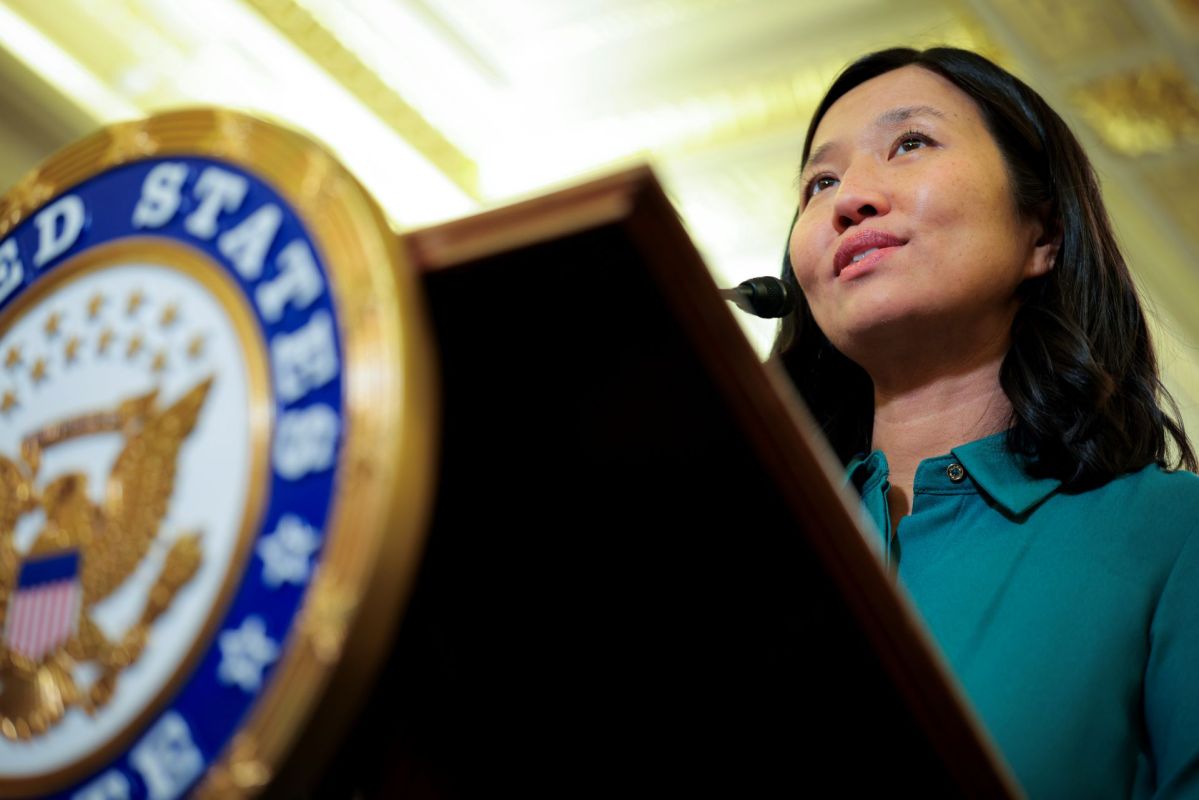
Boston's search for a durable way to pay for the Massachusetts Bay Transportation Authority may bring a once-politically fraught idea back into the conversation: congestion pricing. Mayor Michelle Wu said her administration has talked with New York City about how its tolling system operates.
Here's what to know
At an MBTA Advisory Board meeting, Wu cited New York City's congestion-pricing program as evidence that tolling can be a meaningful stream of transit funding as officials around Greater Boston look for a steadier long-term revenue model, NBC Boston reported.
The funding discussion came during a difficult fiscal moment for Greater Boston communities, and Wu said staff reached out to New York City as part of that search for answers. She said they have "been in touch" to better understand how the Big Apple's congestion-pricing system works.
Vehicles entering New York City's Congestion Relief Zone are charged once per day, with tolls of $9 for passenger and small commercial vehicles during peak times and $14.40 to $21.60 for trucks and buses. Peak rates apply from 5 a.m. to 9 p.m. on weekdays and 9 a.m. to 9 p.m. on weekends, and overnight tolls are lower, per NBC Boston.
Wu also pointed to the program's results. In January, the Metropolitan Transportation Authority said congestion pricing brought in over $550 million in its first year and led to 27 million fewer vehicles entering the zone, an 11% drop in traffic.
Wu told the board, according to NBC Boston, that congestion pricing had "been a huge source of funding for public transit improvements over there."
TCD Picks » Quince Spotlight
💡These best-sellers from Quince deliver affordable, sustainable luxury for all




More background
The idea remains politically sensitive. Former Transportation Secretary Monica Tibbits-Nutt said in 2024 that the Transportation Funding Task Force would be "looking at everything," including congestion pricing. She later faced backlash after discussing tolling at borders, NBC Boston noted.
The divide is long-standing. Drivers on the east-west Massachusetts Turnpike have long paid tolls, but efforts to add tolls to roads that don't already have them have repeatedly met resistance, even as traffic frustration persists.
Supporters of a New York City-style approach see it as a way to tackle congestion and create a new revenue stream for trains and buses that many riders rely on every day. "I just want to encourage you to not be afraid of the T word. The tax word," board member Len Diggins said, per NBC Boston.
Wu said the Massachusetts Municipal Association, Medford Mayor Lungo-Koehn, and Metro Boston mayors have "all been talking about revenue for a long time now because the economic environment that we're in is straining cities in general."
What's being done?
Boston is testing transit changes within city limits while larger funding debates continue. Wu told the advisory board that its fare-free bus pilot has been "transformational" for Bostonians, according to NBC Boston.
She said Boston averages 150,000 bus rides on a weekday, representing more than half of MBTA ridership. That gives the city an incentive to expand and improve bus access.
Wu also laid out plans to launch free Link Bus routes for Mattapan, Roxbury, Allston-Brighton, Charlestown and the Lower Mystic, and the South Boston waterfront. The move is intended to provide "last-mile service" between residential neighborhoods and transit stops, NBC Boston reported.
To help make that happen, the administration is using $11.5 million from the Federal Highway Administration's Congestion Relief Program for the new shuttles. Wu said the city is putting out a request for proposals and that the plan would cover three years of operation.
"But I think if you present the public with a plan, a good vision, along with that plan for what will happen with the additional funds for which you're asking, maybe it can go a long way towards getting the support for that," Diggins said.
Where can I learn more?
Boston officials are looking for information on congestion pricing, and these stories follow how New York City's tolling program has played out so far.
• The central business district began charging drivers to enter Manhattan to cut traffic and pollution.
• Early results delivered surprising traffic reductions as New York City put congestion pricing to a major test.
• Health benefits from the charge added to the case for congestion pricing.

Get TCD's free newsletters for easy tips, smart advice, and a chance to earn $5,000 toward home upgrades. To see more stories like this one, change your Google preferences here.






