


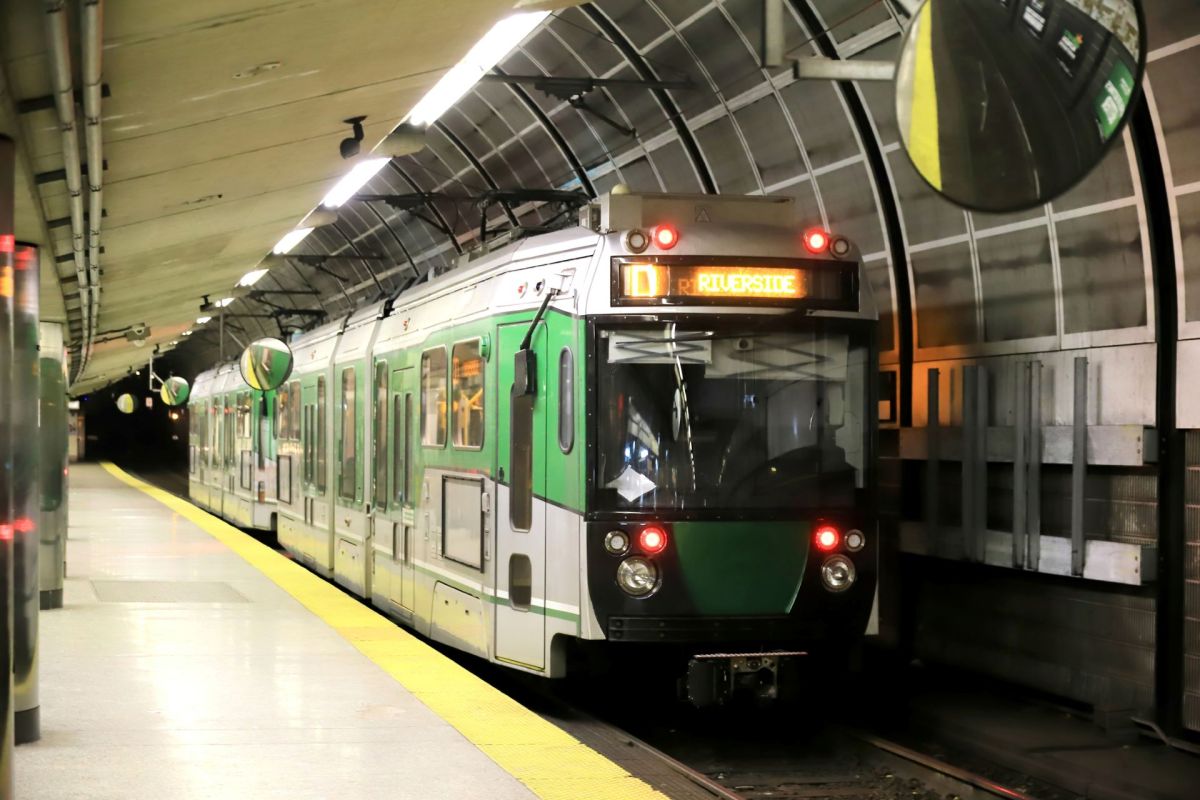
Boston subway riders pay $2.40 for a single trip, placing the Massachusetts Bay Transportation Authority among the world's most affordable metro systems relative to local wages.
The fare amounts to just 1.21% of a typical day's earnings in the city, according to research by online remittance service Remitly.
Here's what to know
The MBTA ranked first among U.S. metro systems and 10th worldwide for one-way fare affordability, as Boston.com reported.
Remitly compared 94 transit systems worldwide using data from the World Bank to create The Global Metro Affordability Index. For Boston, the study paired the T's standard $2.40 subway fare with an average daily wage of $198.
For someone taking two standard-fare subway trips each workday, that adds up to $4.80 a day, or $24 over a five-day workweek.
More background
Venezuela's Caracas Metro had the cheapest single ticket, with a one-way ride priced at roughly two cents in U.S. currency, according to Remitly.
TCD Picks » Quince Spotlight
💡These best-sellers from Quince deliver affordable, sustainable luxury for all




At the other end of the range, Switzerland's Lausanne Metro had the most expensive one-way ticket at $7.22. That nets out to slightly more than three times Boston's standard fare.
Boston.com did note that Remitly's analysis did not take into account the quality of service. So, for Bostonians unhappy with shutdowns or poor service, the report doesn't judge that.
The analysis also doesn't consider how far and how fast service can take passengers. That could be an advantage for more extensive subway systems like the New York subway.
What's being done?
The outlet noted eligibility for reduced MBTA fares extends to people receiving state assistance and riders with qualifying disabilities, as well as children and older adults. These discounts allow eligible passengers to pay less than the standard fare used in Remitly's comparison.
Other ways to save on public transit include buying monthly or annual tickets and taking advantage of free transfers between buses and trains whenever possible.
Keeping the system affordable and easy to navigate were the priorities Phil Eng, the MBTA's general manager and Massachusetts' interim transportation secretary, emphasized last year.
"Affordability and ease of use are two things that move people towards utilizing public transportation," Eng said then, per Boston.com. "It is my hope for more people to get onboard and to enjoy the transportation possibilities that the MBTA can offer through its network."
Where can I learn more?
Boston's low fares come alongside service disruptions and gaps in transit access. To that end, there are Boston service improvements, funding ideas, and free shuttles, plus proposed fare increases in Austin and Utah.
• Boston's Orange Line riders get 55 mph trips and 76% more weekday service.
• Boston's mayor is looking to New York's congestion toll as a model for MBTA funding.
• Boston neighborhoods with limited transit access will get five free shuttle routes.

Get TCD's free newsletters for easy tips, smart advice, and a chance to earn $5,000 toward home upgrades. To see more stories like this one, change your Google preferences here.






