


Fare evasion is costing Boston's transit system an estimated $25 million to $30 million a year, and its crackdown has produced just three citations so far, according to GBH News.
Here's what to know
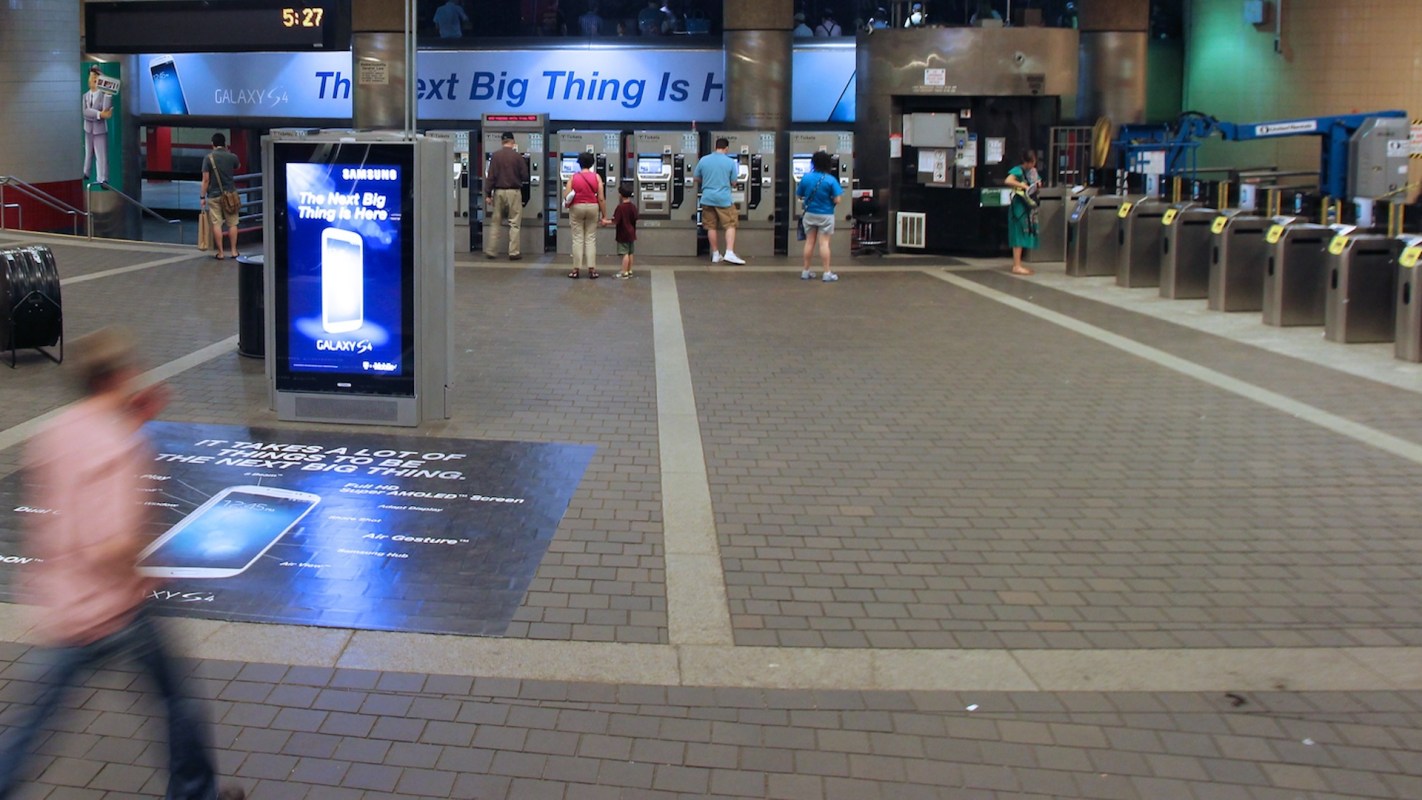
Fare engagement representatives began working across Massachusetts Bay Transportation Authority train lines as part of an initiative introduced in October 2024, according to GBH News. Representatives are monitoring underground stations for passengers who slip through gates behind paying riders or jump over barriers.
Boarding through rear doors puts passengers farther from trolley drivers, making unpaid trips harder to detect. That complicates enforcement on the Green Line's above-ground B, C, and D branches, which don't use turnstiles.
Informal reminders gave way to formal warnings and fines in September 2025. Still, MassLive's review of public records found 200 formal warnings but only three citations systemwide since that change.
Whether the initiative can change habits formed over decades of lax enforcement remains uncertain.
More background
For some passengers, the challenge isn't understanding how to pay but affording repeated trips.
TCD Picks » Quince Spotlight
💡These best-sellers from Quince deliver affordable, sustainable luxury for all




Daniel Ribera, a Boston University student interviewed at the BU Central stop, explained that transportation costs can add up for students traveling between classes.
"It's inconvenient for students," Ribera told GBH News. "When you're going back and forth taking the train for classes, the money adds up."
No one boarding through the rear doors paid during the more than 12 above-ground rides GBH News took on the D and B branches. Those observations don't establish how often Green Line riders overall take unpaid trips.
What's being done?
The MBTA told GBH News it had issued another 62 warnings, bringing its warning count for the period beginning in September 2025 to 262. The agency didn't answer whether enforcement had increased specifically on the Green Line.
Enforcement personnel had become a more frequent sight, according to Ribera and other riders.
The agency said "the presence of Fare Engagement Representatives has been leading to higher engagement rates," though it provided no figures to measure that change.
The MBTA already offers ways to ease student costs. College students can buy a semester pass with an 11% discount, and middle and high schoolers qualify for discounted CharlieCards.
If a rider isn't sure how to pay, the MBTA says transit ambassadors and fare engagement representatives can help, according to its comments to GBH News.
It's not clear whether these programs will be enough to persuade habitual nonpayers to pay.
MBTA spokesperson Maya Bingeman said: "We want to thank our riders who pay for their trips as they are contributing towards improvements and the service the public deserves. We also want to remind anyone unsure of how to pay for their fare that they may talk to a fare engagement representative or transit ambassador."
Where can I learn more?
Boston's efforts to curb fare evasion come as the MBTA faces other funding and service challenges.
• At 20 New York City subway stations, new fare gates cut fare evasion by 35%.
• In London, a mayoral hopeful proposed a 25% cut for reporting Tube fare dodgers.
• MBTA commuter rail costs hit $5.2 billion; its next contract could exceed $10 billion.
• Massachusetts' MBTA secured diesel at $2.23, with price spikes bringing $9 million in rebates.
• Boston's slowest MBTA buses are getting slower, even as bus bunching begins to ease.

Get TCD's free newsletters for easy tips, smart advice, and a chance to earn $5,000 toward home upgrades. To see more stories like this one, change your Google preferences here.






