


Boston's debate over property taxes is expanding into a much larger question about what cities need to function at a time of rising housing costs, aging infrastructure, and growing climate risks.
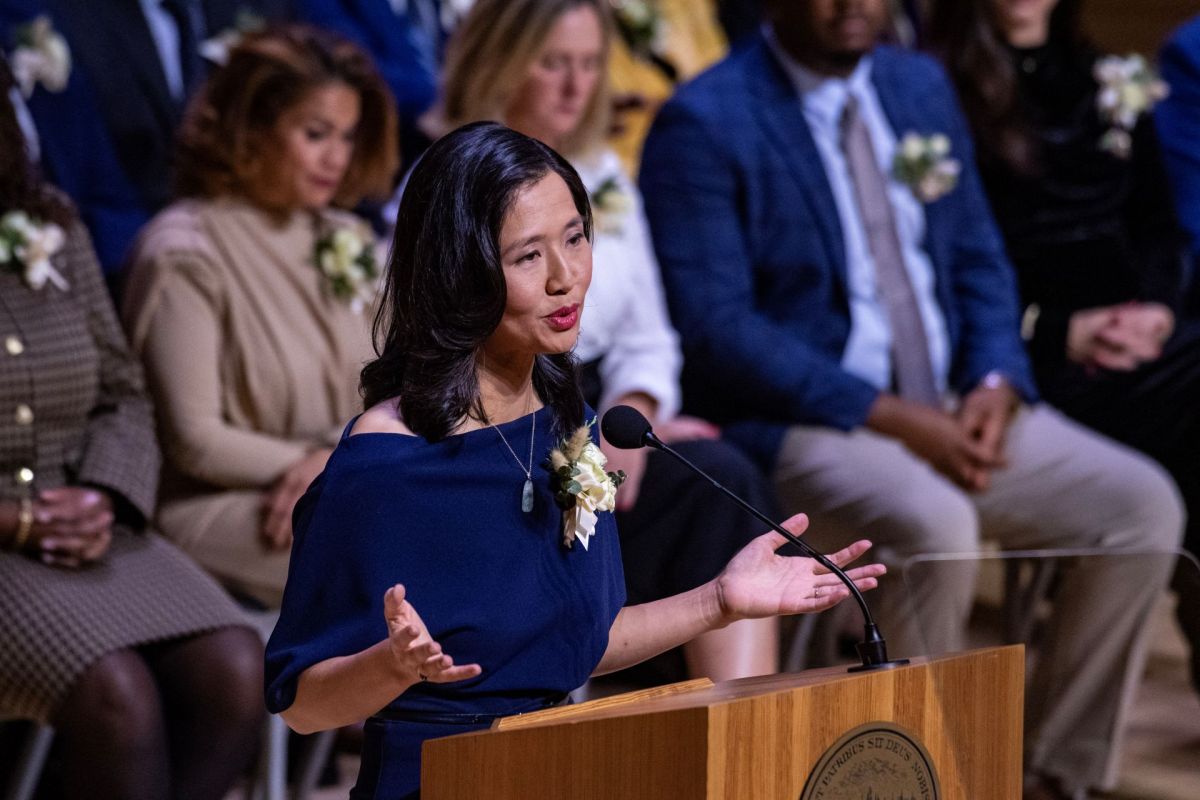
Boston Mayor Michelle Wu's stance has brought that tension into public view.
Here's what to know
Last week, Wu said Proposition 2½ should be eliminated and that the city should set its own tax rate, according to the Boston Herald.
Proposition 2½ is the Massachusetts law that limits how much a municipality can raise its property tax levy each year, though there are exceptions and voters can approve overrides.
The point is to shield homeowners from sharp, unexpected increases in their tax bills.
Opponents say the problem comes when the price of schools, public works, public safety, housing programs, and climate resilience rises faster than the law permits revenue to grow, leaving cities unable to keep up.
TCD Picks » Quince Spotlight
💡These best-sellers from Quince deliver affordable, sustainable luxury for all




In a high-cost city that is changing quickly, the pressure can force decisions that keep some neighborhood services reliable and postpone other upgrades.
More than a call for small adjustments, the stance reflects deeper frustration with limits that many local leaders view as mismatched with city expenses.
More background
Property taxes are one of the main ways cities fund the services people rely on every day, including education, libraries, parks, street repairs, sanitation, and emergency response.
When revenue growth is constrained while costs continue to climb, the consequences can spread across communities.
Delayed maintenance, strained school budgets, and slower investments in safer streets or flood protection can hit families especially hard in neighborhoods that already face unequal access to public resources.
Cities often need steady, reliable funding to upgrade aging buildings, expand tree cover, prepare for heat waves, reduce flood risks, and improve transportation options. Policies that make those investments difficult can slow progress toward cleaner, safer, and more resilient communities.
Communities can ask voters to approve overrides, but cities and towns do not all begin that process with the same political or economic footing. In places with affordability pressure, raising urgently needed revenue may be especially difficult.
What's being done?
The stance adds momentum to a broader conversation about whether the tax limit still fits economic reality.
Since the tax limit is written into law, any significant revision would most likely have to happen through a legislative or political process, not through action by a single city.
Still, leaders can use the debate to push for more flexible tools.
Those options could include more local control, a rethinking of how tax caps are designed, or changes that come with protections for residents most vulnerable to rising housing costs.
Budget hearings, city council meetings, and legislative debates can all shape whether reforms include targeted relief for low-income homeowners, seniors, and renters who might otherwise shoulder the greatest burden of higher costs.

Get TCD's free newsletters for easy tips, smart advice, and a chance to earn $5,000 toward home upgrades. To see more stories like this one, change your Google preferences here.






