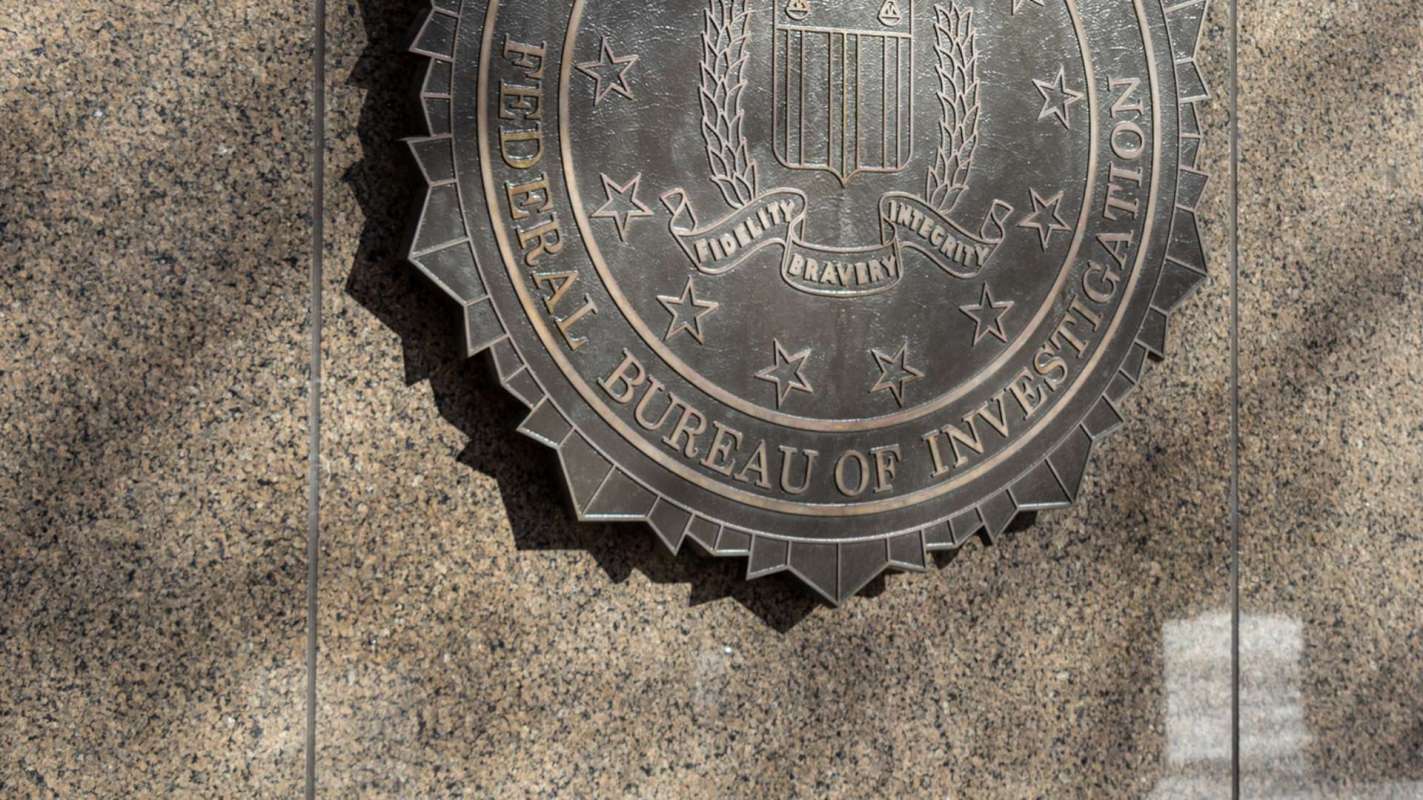
The FBI's Boston Division has warned the public about a common phone scam in which criminals impersonate FBI agents to trick victims into thinking they are under investigation for financial fraud.
The FBI issued a reminder that it never calls for payment, asks for encrypted-app communication, or requests gift cards or crypto for said payment.
Here's what to know
Fall River Reporter said the scam can begin with a caller posing as someone from a financial institution. That person claims the target's personal information was used to open an account tied to illegal gun purchases, then claims to bring a supposed FBI special agent on the call.
According to the FBI, the first conversation then drops without explanation. Soon after, the victim gets another call that appears to come from FBI Boston's real main number (857-386-2000), and the caller may cite a bogus badge number while pushing the victim to continue talking on an encrypted messaging app. The bureau said this is all fraudulent.
Nationwide, the FBI's Internet Crime Complaint Center said 32,424 people reported government impersonation scams in 2025, with losses topping $797 million. In Massachusetts alone, 706 victims reported losing $24,508,041 in 2025.
More background
These scams work by exploiting fear, urgency, and trust in public institutions to pressure victims into giving up money, Social Security numbers, bank details, or access to their devices.
TCD Picks » Quince Spotlight
💡These best-sellers from Quince deliver affordable, sustainable luxury for all




Across the four states covered by the FBI's Boston Division — Massachusetts, Maine, New Hampshire, and Rhode Island — authorities logged 1,092 complaints tied to these scams and nearly $28.9 million in losses. For states outside Massachusetts, Maine reported $684,587 in losses, New Hampshire reported $1,678,840, and Rhode Island reported $2,023,936.
What can be done?
If someone unexpectedly calls and says they are with the FBI or another law enforcement agency, officials say to hang up rather than stay on the line trying to defend yourself or explain anything.
The FBI also advises avoiding unfamiliar calls, not sending money or gift cards to people they do not personally know and trust, and not sharing banking information, Social Security numbers, or other personally identifiable details with strangers.
Anyone who wants to check whether a caller really works for the FBI can call the FBI Boston Division at 857-386-2000 and ask to be connected. If you think you were targeted, the FBI says to stop communicating with the scammer, notify your financial institutions, file a local police report, and submit a complaint to the Internet Crime Complaint Center at IC3.gov.
Where can I learn more?
The FBI figures from New England are part of a wave of fraud. Cases have involved AI-generated personas, utility shutoff threats, and even couriers sent to collect gold from victims' homes.
• In Massachusetts, American-made AI fueled a scheme that cost one man $400,000.
• Across several countries, a global scam crackdown swept up 3,018 suspects tied to $752 million.
• In California, PG&E customers faced a barcode scam after callers threatened utility shutoffs.
• In Washington, residents lost $673,000 in days as gold pickup scammers targeted homes.
Each case uses a different hook, but the pressure tactics are familiar. Keeping that pattern in mind can make the next suspicious call, text, or message easier to spot.

Get TCD's free newsletters for easy tips, smart advice, and a chance to earn $5,000 toward home upgrades. To see more stories like this one, change your Google preferences here.