


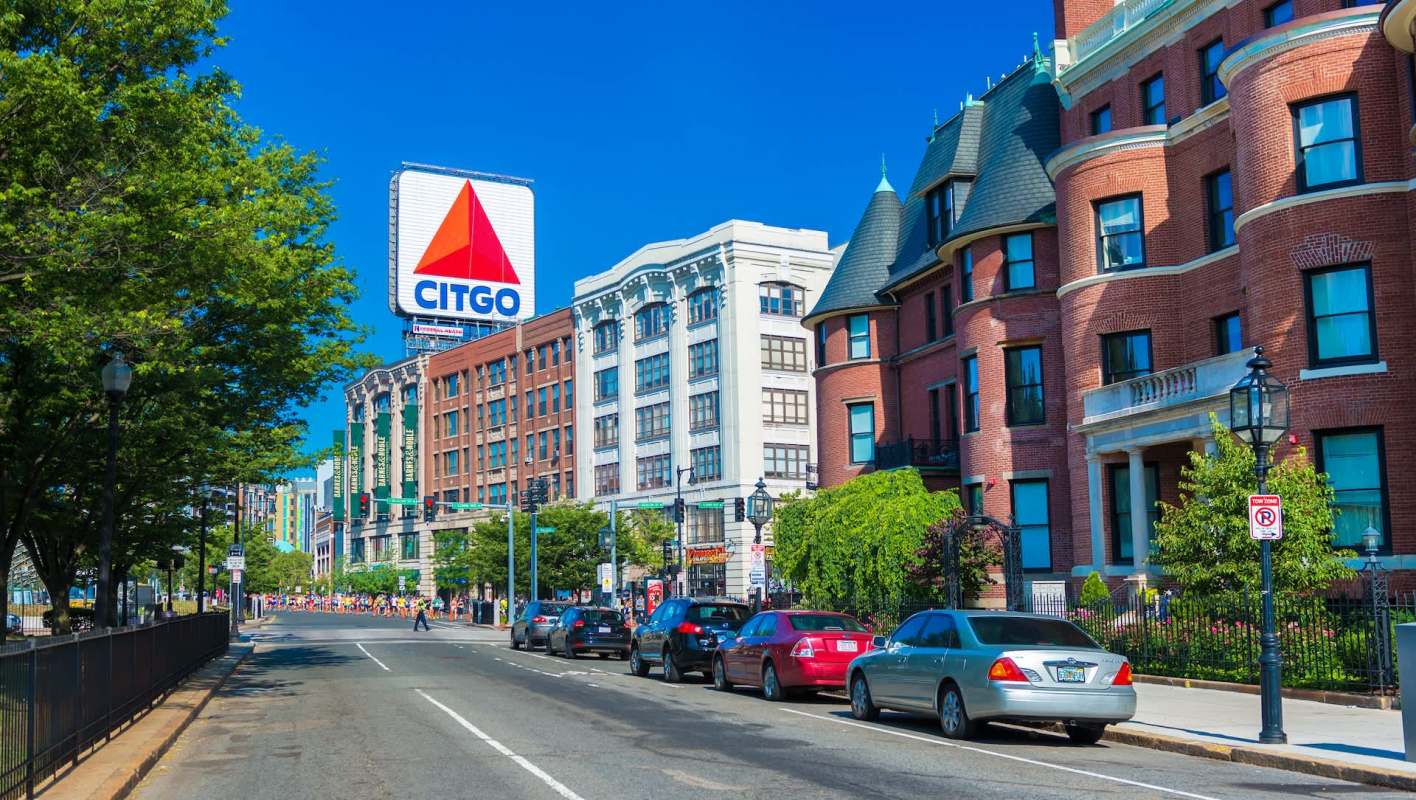
Boston has released its five-year plan to address rising global temperatures and poor air quality while protecting its residents from flooding and extreme heat.
What's happening?
On April 27, Boston Mayor Michelle Wu announced the city's 2030 Climate Action Plan, with the ambitious goal of cutting pollution by half by the end of the decade. Beyond that, the city aims to be fully carbon neutral by mid-century.
According to Mayor Wu, "Fighting climate change provides a generational opportunity to create good-paying jobs, more affordable energy, cleaner air, and safer streets."
What's in the plan?
The plan focuses primarily on finding ways to cut pollution from transportation and buildings.
One component is to ensure that one in five passenger vehicles is electric, while an overall reduction of passenger vehicles of 40% is also on the agenda. This could be achieved, in part, by introducing a congestion-pricing plan similar to New York City's.
The city also intends to expand its fleet of EVs, promote public transit options, and introduce a bike-sharing program.
TCD Picks » Quince Spotlight
💡These best-sellers from Quince deliver affordable, sustainable luxury for all




Regarding buildings, the city aims to install more electric appliances, like heat pumps and induction stoves, in both commercial and residential buildings. These electric appliances often offer massive energy-efficiency improvements, meaning lower energy bills and reduced pollution from burning fuels.
Additionally, the city will form a "restaurant decarbonization task force" to help establishments ditch gas stoves for safer, healthier alternatives.
Beyond changes in the transportation and building sectors, Boston's plan includes efforts to scale up the use of cleaner energy and support 67,000 full-time jobs by "building a green workforce."
What about resilience?
Beyond reducing pollution, the city's plan aims to protect residents from impending climate-fueled extreme weather events and nuisances.
To address worsening heat, the government plans to massively increase shade through tree-planting and increase the average neighborhood tree canopy coverage by 0.5% by 2030. The plan also aims to decrease the number of ER visits due to heat-related illness by 25% by the end of the decade.
Another goal is to reduce the number of residents exposed to major flooding events by over 60%. To deal with flooding and stormwater-related issues, the city wants to convert about 1% of the city into green space that can better absorb excess water.
"The City's Climate Action Plan focuses on scaling critical decarbonization upgrades and will help lower energy costs for residents while protecting vulnerable communities from extreme heat and flooding," said Gustavo Quiroga, the executive director of LISC Massachusetts, in the city's press release.

Get TCD's free newsletters for easy tips, smart advice, and a chance to earn $5,000 toward home upgrades. To see more stories like this one, change your Google preferences here.






