


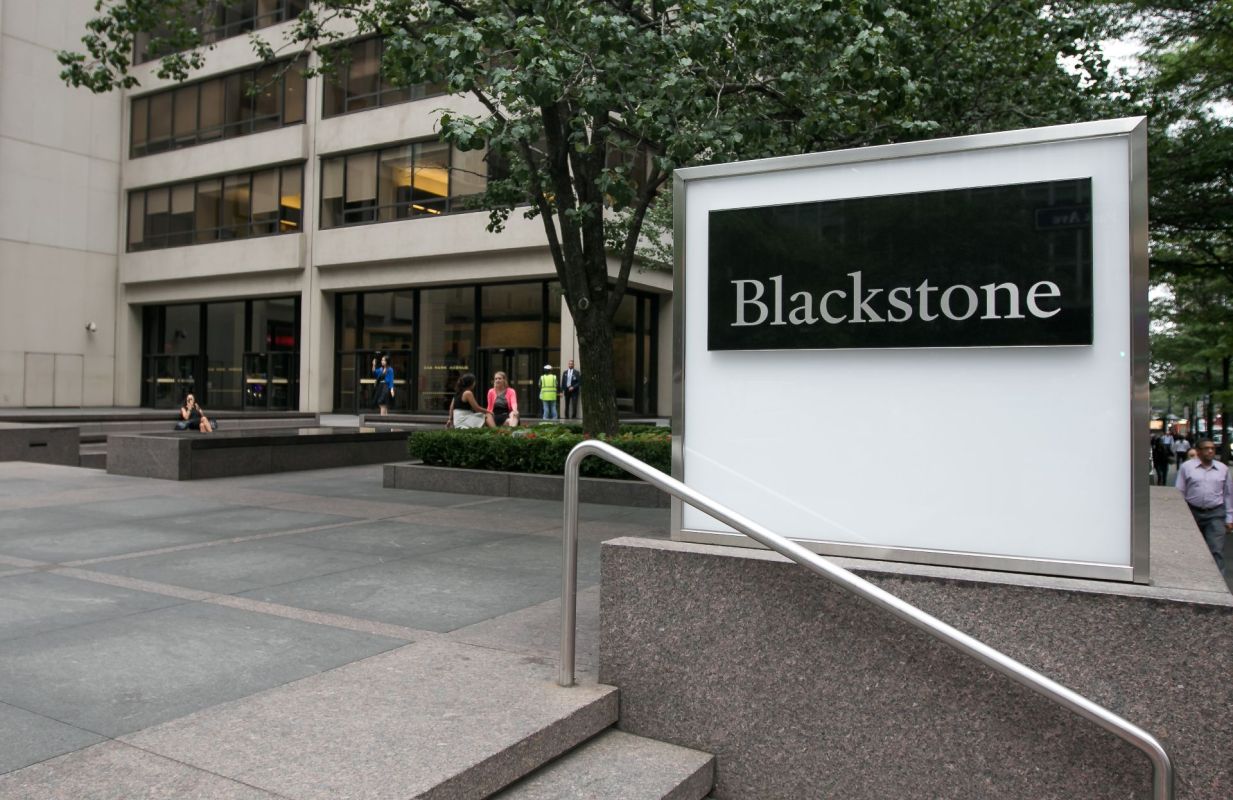
A lawsuit filed in New York alleges that Blackstone, one of the biggest players in real estate, overcharged thousands of tenants in Manhattan rent-stabilized apartments by more than $30 million.
While the complaint focuses on the luxury tower at 8 Spruce St., it also raises a broader question about whether landlords that receive major public tax benefits are following the affordability rules attached to them.
Here's what to know
Filed by the Housing Rights Initiative, the lawsuit accuses Blackstone and associated management entities of illegally raising rents at an 898-unit stabilized building, affecting as many as 3,500 renters, amNewYork reported.
The complaint says BREIT Operating Partnership, Beam Living, and 8 Spruce overstated the lawful rent for apartments and, in some renewal cases, raised prices by more than 50%. Blackstone bought the building in 2022 for $930 million.
A major piece of the dispute involves the city's 421-a tax incentive program. Tenants say the property's owners received more than $115 million in tax credits in return for keeping apartments rent-stabilized, but did not honor that commitment.
In response, Blackstone-owned Beam Living said it was "aware" of the lawsuit and could not comment on pending litigation, while adding that it was "committed to fully complying with all rent stabilization rules and regulations" and had "invested significantly to improve the community."
TCD Picks » Quince Spotlight
💡These best-sellers from Quince deliver affordable, sustainable luxury for all




More background
Tenants say the scheme relied on rent concessions that temporarily lowered what residents paid without reducing the apartment's much higher stated rent.
One example in the complaint describes a unit advertised at $2,960 per month with the first four months free, making the effective rent $1,973.
According to the lawsuit, landlords later ended that concession at renewal and based any increase on the higher gross rent instead of the lower net rent tenants had actually been paying.
What's being done?
The plaintiffs want the court to block rent increases that violate stabilization law, award refunds and damages, and require an independent review of the building's stabilized apartments so leases can be corrected.
The Housing Rights Initiative says anyone who has lived in the building at any time since September 2020, whether currently or formerly, may be eligible to join the case.
"Landlords who cheat on affordable housing tax benefits are screwing both taxpayers and tenants," said Aaron Carr, Housing Rights Initiative Executive Director. "This is why it is imperative that New York State proactively and systematically enforce the law."
Where can I learn more?
Housing fights can crop up far beyond one Manhattan tower. Clear records, tenant organizing, and enforcement matter when costs or living conditions are at stake.
• Washington, D.C., sued Brightwood landlords over bugs and a lack of heat in their living spaces.
• A renter said a landlord demanded $75 more for utilities over EV charging concerns.
• In the Czech Republic, a landlord threatened monstrous energy bill increases over a tenant's citizenship.

Get TCD's free newsletters for easy tips, smart advice, and a chance to earn $5,000 toward home upgrades. To see more stories like this one, change your Google preferences here.






