


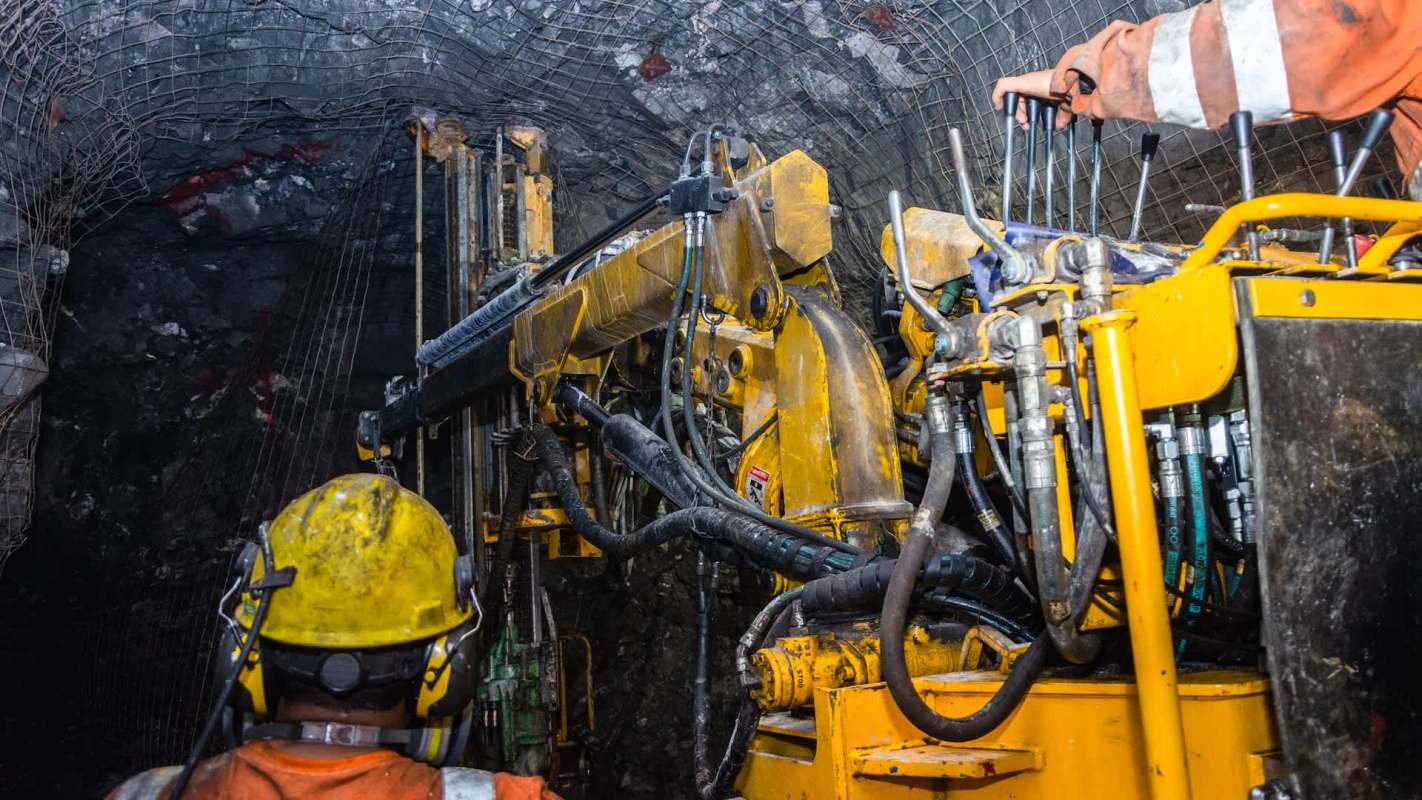
Black lung rates in Central Appalachia have risen to levels not recorded since the late 1970s, and a former coal miner in Virginia battles for federal benefits.
Here's what to know
Josh Armes, 74, worked in coal mines in Virginia and West Virginia for 38 years before being diagnosed with black lung disease, also known as coal workers' pneumoconiosis. As The Guardian reported, he has relied on oxygen support for about four years. A coal operator's challenge to the federal black lung payments he had already been receiving has kept him in appeals limbo since 2014.
Data published in August in the American Journal of Respiratory and Critical Care Medicine found that 32.5% of veteran underground coal miners in Central Appalachia were living with black lung — the highest level recorded since 1978.
A May Government Accountability Office report found that coal operators challenged 40% of approved claims from 2013 to 2024, and that the typical appealed case lasted three years or more.
Armes said, "I can't figure out one thing. They sent me a paper that said I got first- and second-stage black lung. That ought to be enough, or do you have to be dead?"
More background
For many miners and their families, seeking federal help has become a drawn-out legal struggle. The black lung program, created in 1969, was intended to compensate miners disabled by long-term coal dust exposure and cover their medical care. The GAO found that 390 beneficiaries who initially won approval later lost on appeal and had to pay back benefits.
TCD Picks » Quince Spotlight
💡These best-sellers from Quince deliver affordable, sustainable luxury for all




Josh Armes' daughter, Crystal Armes, said the case has required repeated testing, travel, and legal assistance, turning the effort into an exhausting and expensive process. "The burden of proof lies on the coal miner to prove that he has black lung," she said. "We have appealed it and appealed it and appealed it. Still appealing it. He [Josh] does have black lung. Hopefully, soon we will be awarded the black lung benefits again. But I'm not holding my breath on that one."
What's being done?
The issue has also drawn attention from lawmakers. Democratic Senators Mark Warner, John Hickenlooper, Tim Kaine, and John Fetterman requested the May GAO report and have introduced legislation intended to improve black lung benefits.
Worker advocates are also calling for stronger dust protections. In April 2024, Congress passed a federal silica dust rule that would require engineering and ventilation controls in mines. But funding for the rule was blocked in June 2024, and E&E Greenwire reported that the Trump administration's Mine Safety and Health Administration would "indefinitely delay" the rule pending judicial review.
Rebecca Shelton, director of policy for Appalachian Citizens' Law Center, said, "If the Trump administration actually cared about protecting coal miners from black lung, we'd have a strong silica rule in place right now. Instead, they are hiding behind a ridiculous legal process to delay action while miners get sick and die."
The United Mine Workers of America has urged regulators to enforce the rule. In an email, a spokesperson for the Department of Labor's MSHA said, "Until pending litigation and limited rulemaking on respirable crystalline silica are resolved, MSHA continues to vigorously enforce the permissible exposure limit of 100 micrograms per cubic meter."
Crystal Armes said the length of the fight should outrage more people than just her family: "[My dad] gave his life to mining to support his family, and now you know we've been fighting this fight for over 10 plus years now. Everyone should be outraged by this. We're hardworking, everyday Americans who go to work every day, pay our taxes, try to do the right thing, and then, we can't get what was promised us."
Where can I learn more?
Here are some more stories on coal mining, including mine closures, plant rules, emissions litigation, and more.
• In West Virginia, a former miner uses a drone to expose dust around coal sites.
• Across former coal regions, closing mines strains water resources even as streams recover.
• The Biden administration is weighing retiring coal plants early under tighter carbon controls.
• A court ruling left Biden's coal-plant rules in limbo without immediate compliance changes.
• An analysis linked coal-plant pollution particles to thousands of deaths across the United States.

Get TCD's free newsletters for easy tips, smart advice, and a chance to earn $5,000 toward home upgrades. To see more stories like this one, change your Google preferences here.






