


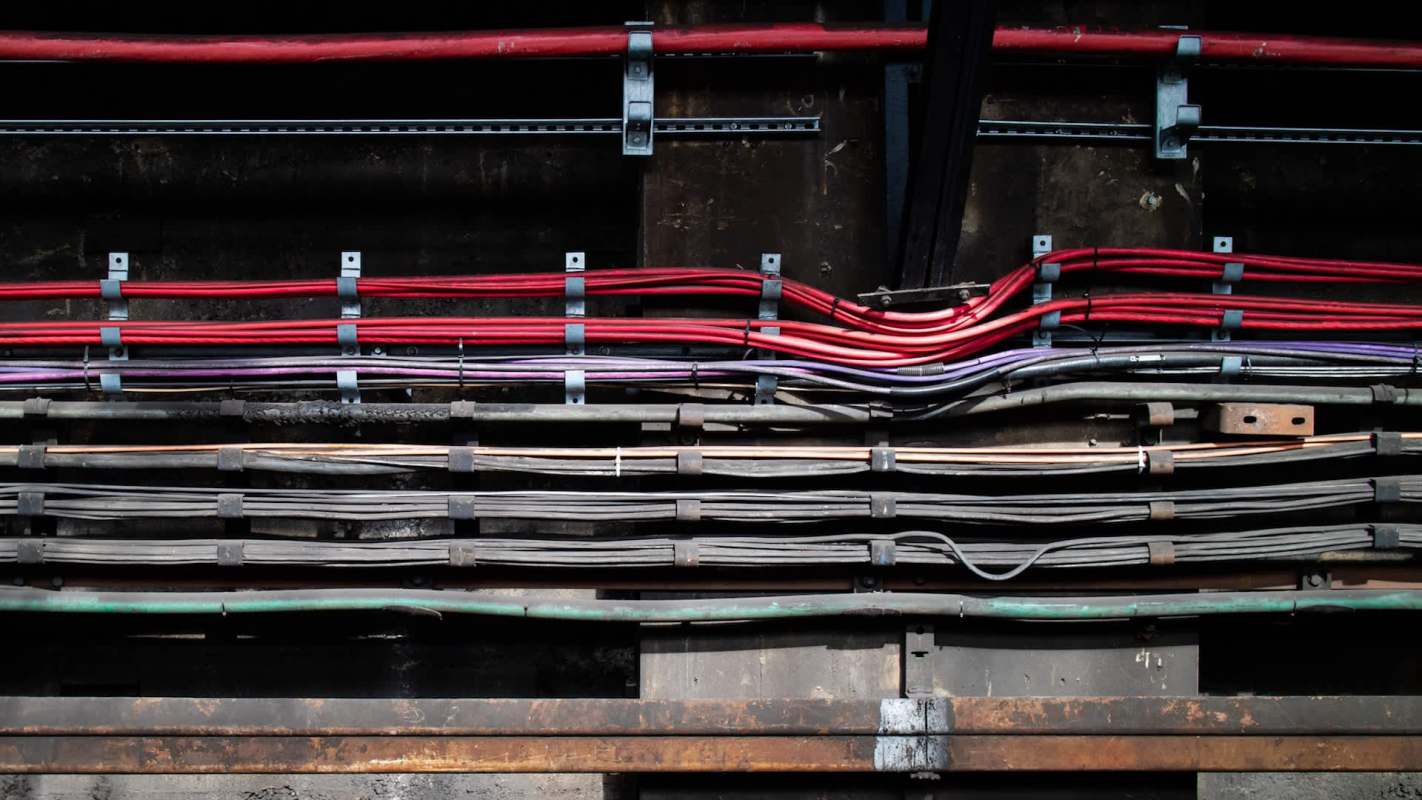
Maryland households are already contending with higher energy bills, and a dispute between Baltimore City and Baltimore Gas and Electric (BGE) over the utility's use of the city's underground conduit system could make matters worse.
What's happening?
According to WBFF, Baltimore wants to end its conduit arrangement with BGE and raise what the utility pays to use the system, a change that could eventually show up on customer bills.
BGE has not said how large that effect might be, but the warning arrives after years of approved increases that have already pushed annual household costs up by hundreds of dollars, as the station detailed.
In 2023, BGE asked the Maryland Public Service Commission (PSC) for about $600 million in additional revenue to fund infrastructure work and maintenance, and regulators approved roughly $400 million of that request to be collected over three years.
For the average residential customer with both gas and electric service, WBFF reported that decision meant about $15 more per month starting in 2024, followed by roughly another $4 in 2025 and about $3 in 2026.
The station also reported that the PSC later approved a separate adjustment of around $3 per month after BGE said its spending was still exceeding what it earned under the plan. With the dizzying rate of cost increases, the new changes could spell more trouble.
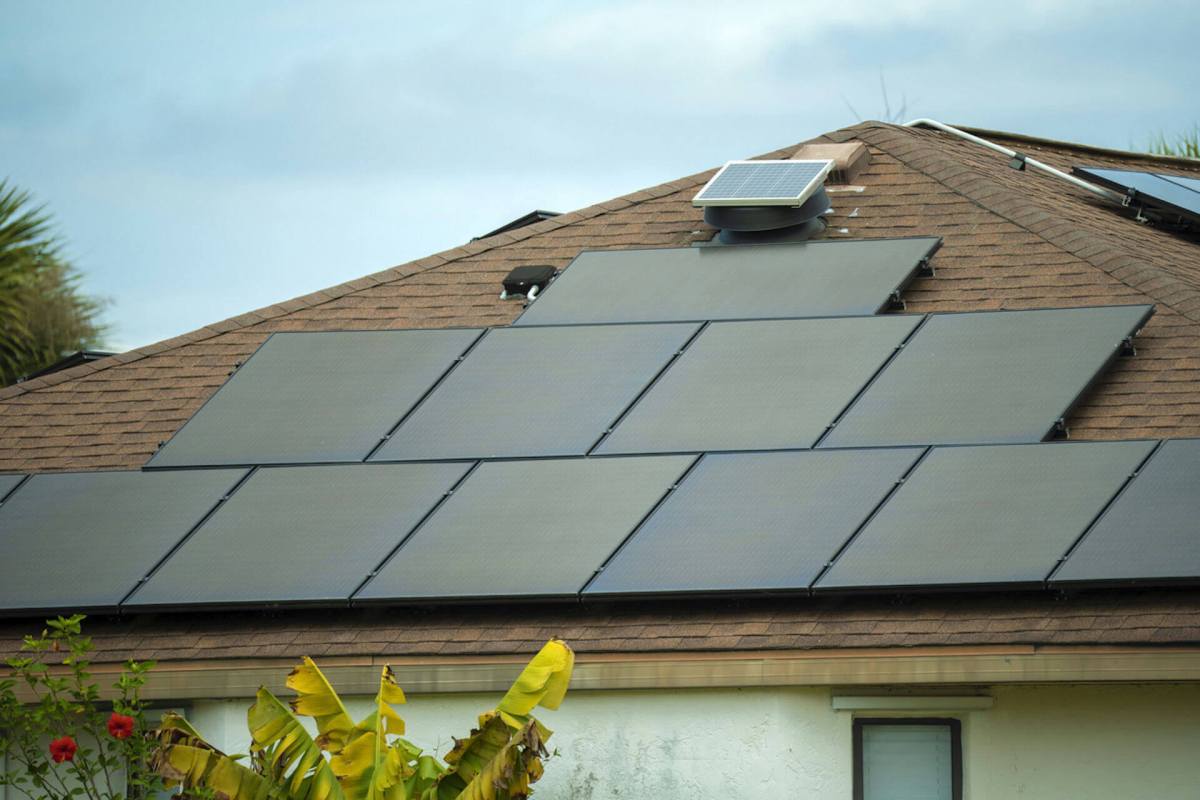
One of the best ways for homeowners to fight these rising utility costs is by going solar, which can reduce dependence on rate hikes from monopoly power providers. Readers can explore EnergySage to get quick solar installation estimates and compare quotes for free.
Why does it matter?
Taken together, the increases already approved amount to about $25 extra each month for the average customer, or roughly $300 over a year.
Save $10,000 on solar panels without even sharing your phone number Want to go solar but not sure who to trust? EnergySage has your back with free and transparent quotes from fully vetted providers that can help you save as much as $10k on installation. To get started, just answer a few questions about your home — no phone number required. Within a day or two, EnergySage will email you the best local options for your needs, and their expert advisers can help you compare quotes and pick a winner. |

WBFF reported that BGE is also seeking about another $156 million in revenue. If that request is approved, the average residential bill for combined gas and electric service would rise by roughly $8 more per month, or $96 per year.
Even before any possible conduit-related costs are known, the station noted that would leave the typical annual bill about $400 higher than it was before 2023.
For families already dealing with housing, grocery, and transportation expenses, repeated utility increases can make a basic necessity increasingly difficult to afford.
What can I do?
For residents hoping to limit their exposure to rising electricity costs, cutting energy waste at home and exploring fixed-cost clean energy options can help. Weatherization, efficient appliances, and rooftop solar can all reduce how much power a household needs to buy.
More From EnergySage
💡Go deep on the latest news and trends shaping the residential solar landscape


EnergySage's free services can be especially useful for homeowners who want to compare options. With EnergySage's help, the average person can save up to $10,000 on solar purchases and installations.
Readers can also use EnergySage's solar map, which shows the average cost of a home solar panel system on a state-by-state level and details solar panel incentives available in each state. Together, those resources can help you get the best price for rooftop solar panels and access available incentives.
Adding battery storage to a solar setup is also one of the best ways to protect your home during outages, save money on energy, and go off grid. Readers can explore EnergySage for free tools that include information about home battery storage options and competitive installation estimates.

Get TCD's free newsletters for easy tips, smart advice, and a chance to earn $5,000 toward home upgrades. To see more stories like this one, change your Google preferences here.






