


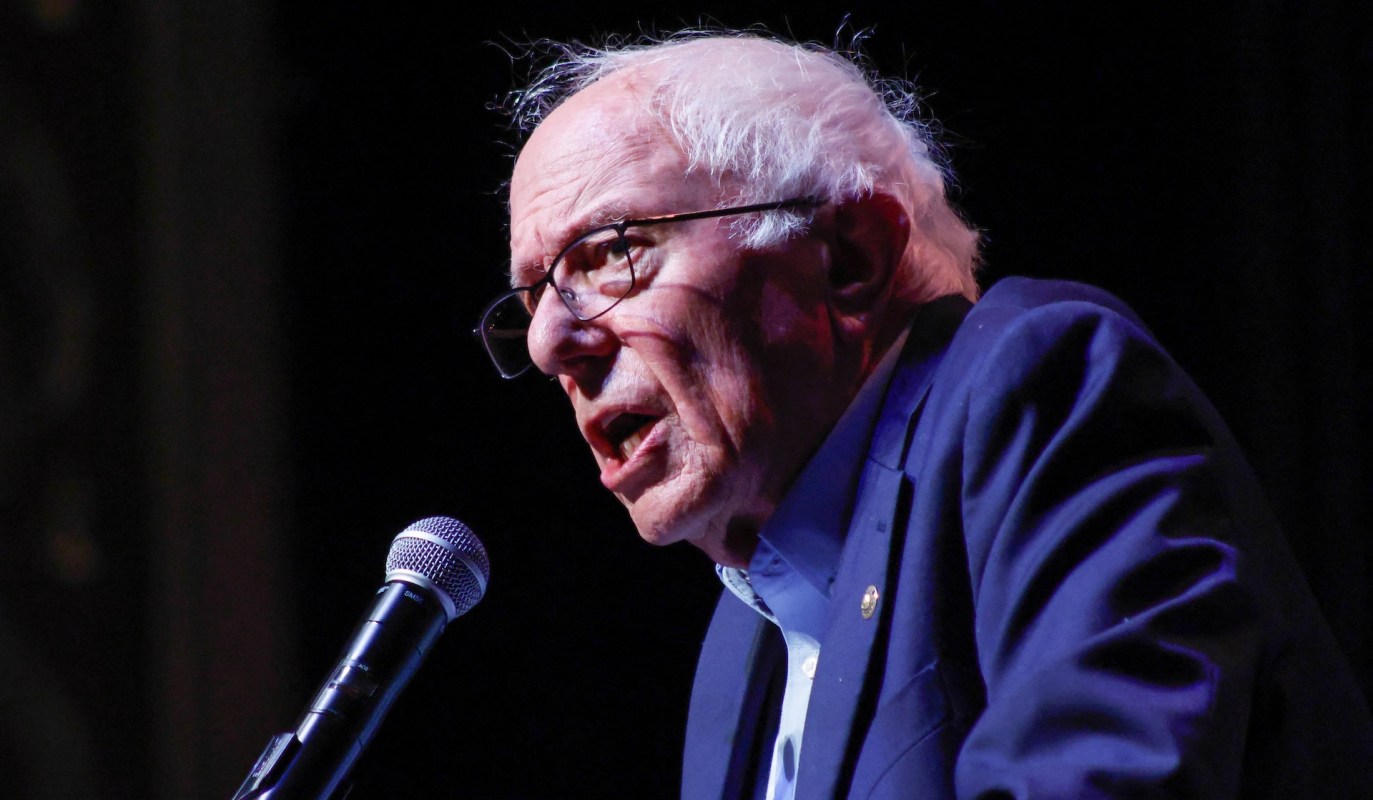
Sen. Bernie Sanders is criticizing Microsoft after the company raised Xbox prices and cut jobs, arguing that the move is another example of corporate wealth rising to the top while workers and customers are left to deal with the fallout.
While Sanders' complaint centers on a gaming console, his broader message is about something much bigger: Massive profits and corporate tax breaks do not automatically translate into job security or lower prices for everyday people.
What happened?
According to PC Gamer, Sanders used X to condemn Microsoft after the company revealed broad layoffs connected to Xbox.
"Last year, Microsoft made $101 billion in profits, got a $12.5 billion tax break from Trump and paid its CEO $96 million," Sanders wrote.
He followed that with an even more pointed criticism: "This year, it's raising the price of an Xbox by $150 and eliminating 3,200 jobs. Please don't tell me corporate tax breaks create jobs. It never trickles down."
The current dispute is not Sanders' first criticism tied to Xbox. In 2022, he and Sens. Elizabeth Warren of Massachusetts, Cory Booker of New Jersey, and Sheldon Whitehouse of Rhode Island took aim at Bobby Kotick's "golden parachute" after Microsoft's $68.7 billion acquisition of Activision Blizzard.
TCD Picks » Quince Spotlight
💡These best-sellers from Quince deliver affordable, sustainable luxury for all




Why does it matter?
The controversy reflects broader public frustration with large corporations that post enormous profits, benefit from favorable tax treatment, and still press ahead with layoffs while charging consumers more.
For workers, layoffs on this scale can have serious consequences for households and local economies. For consumers, a price increase that large can put a major entertainment purchase out of reach, particularly as many families continue to face steep costs for housing, food, and energy. Other major companies like Walmart have been under fire for income inequality after it was discovered that their CEO, Doug McMillon, had compensation totaling over $27.4 million in a year, while the average Walmart employee only makes $29,469 a year.
The situation also raises concerns about corporate concentration and accountability. Former Federal Trade Commission Chair Lina Khan, who led the agency during the Microsoft-Activision Blizzard battle, later argued that Microsoft's behavior after the merger resembled what regulators had warned could happen.
What's being done?
Sanders' comments on Xbox fit into a wider campaign against major tech companies. He has called for OpenAI to be broken up and, as PC Gamer reported, introduced legislation earlier this year that would pause data center construction in the United States while lawmakers work to catch up on AI regulation.
Regulators have also tried to step in. The FTC opposed Microsoft's acquisition of Activision Blizzard and sought to delay or block the deal, including efforts to pause the merger while legal challenges moved through the courts, though those efforts were repeatedly unsuccessful.
When public policy benefits companies that already are in a position of power and have a major financial privilege, without ensuring stronger safeguards for workers and communities, many people see it as another example of a system in which the rewards stay at the top instead of reaching those who keep the economy running.

Get TCD's free newsletters for easy tips, smart advice, and a chance to earn $5,000 toward home upgrades. To see more stories like this one, change your Google preferences here.






