


Around the world, the Belt and Road Initiative has financed infrastructure such as roads, power projects, buildings, and water systems.
However, research has indicated that pollution linked to that construction may be much higher than many people realize.
One material stands out in particular: steel.
What happened?
Fresh studies are putting China's vast overseas infrastructure push under renewed scrutiny.
Inside Climate News reported that more than 700 Belt and Road developments in 105 countries were associated with more than 130 million tons of carbon dioxide equivalent pollution between 2008 and 2024.
That amount of pollution is roughly comparable to the annual emissions of 35 coal-fired power plants.
TCD Picks » Quince Spotlight
💡These best-sellers from Quince deliver affordable, sustainable luxury for all




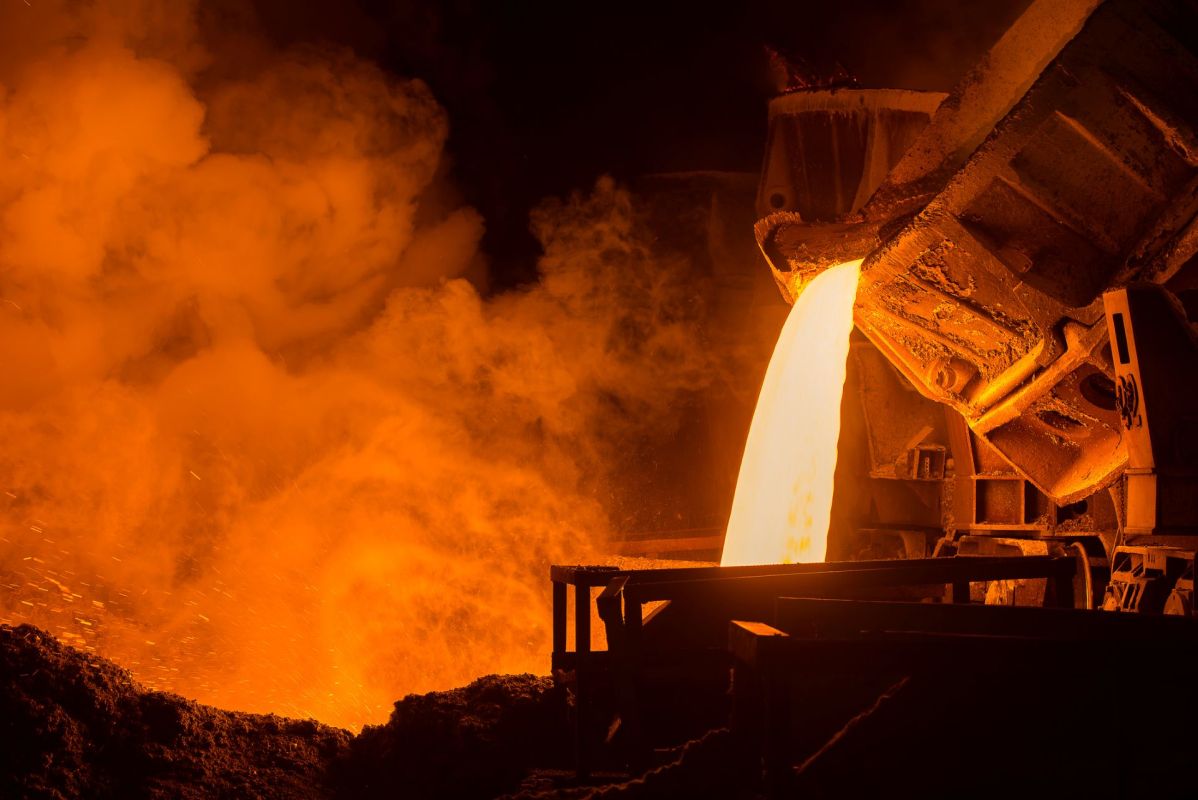
Researchers found that steel accounted for 53% of the total climate footprint, with much of that steel produced in China.
The study, published in the journal Environmental Science & Technology, also found that nearly half of the planet-warming gas pollution associated with the projects came from outside the countries where they were completed, reflecting the role global supply chains play in the true climate cost of infrastructure development.
As study lead author Lingli Hou explained: "It's not only about the host country, but also all the actors through the supply chain [that] will be affecting those embodied emissions."
Why does it matter?
Infrastructure built today can shape communities for decades. When large-scale developments rely on highly polluting steel and other carbon-intensive materials, they contribute to the overheating of the planet, which is already intensifying extreme weather, driving up household costs, and putting public health at risk.
More than half of the world's steel is made in China, and much of that production still depends on coal-fired blast furnaces.
"Around 90% of China's steel is still produced using the dirtiest route by firing coal in blast furnaces," Kate Logan, director of the China Climate Hub & Climate Diplomacy for the Asia Society Policy Institute, said in a written statement shared by ICN. "This makes China's steel sector a hotspot for global emissions — but also a huge opportunity if it can be cleaned up."
The study found that most Belt and Road energy projects built during the period were renewable energy projects, and the emissions they help avoid can offset construction-related pollution in about two years or less.
Researchers said that does not remove the need for cleaner manufacturing now.
What are people saying?
Researchers have said cutting steel-related pollution will require more than any single solution.
"Our findings suggest that ambitious climate targets cannot be achieved through isolated policy measures alone," said Xiao Liu, the lead author of a different study that examined how Chinese companies respond to pollution-cutting policies.
They say progress will require tougher environmental rules, carbon pricing, and more investment in cleaner technologies, including hydrogen-based steelmaking and recycling through electric arc furnaces.
Tomer Fishman, co-author of the Belt and Road study, said the next question goes beyond pollution totals alone.
"How does it support the development of those countries, and what are the trade-offs?" he said, per ICN.

Get TCD's free newsletters for easy tips, smart advice, and a chance to earn $5,000 toward home upgrades. To see more stories like this one, change your Google preferences here.






