


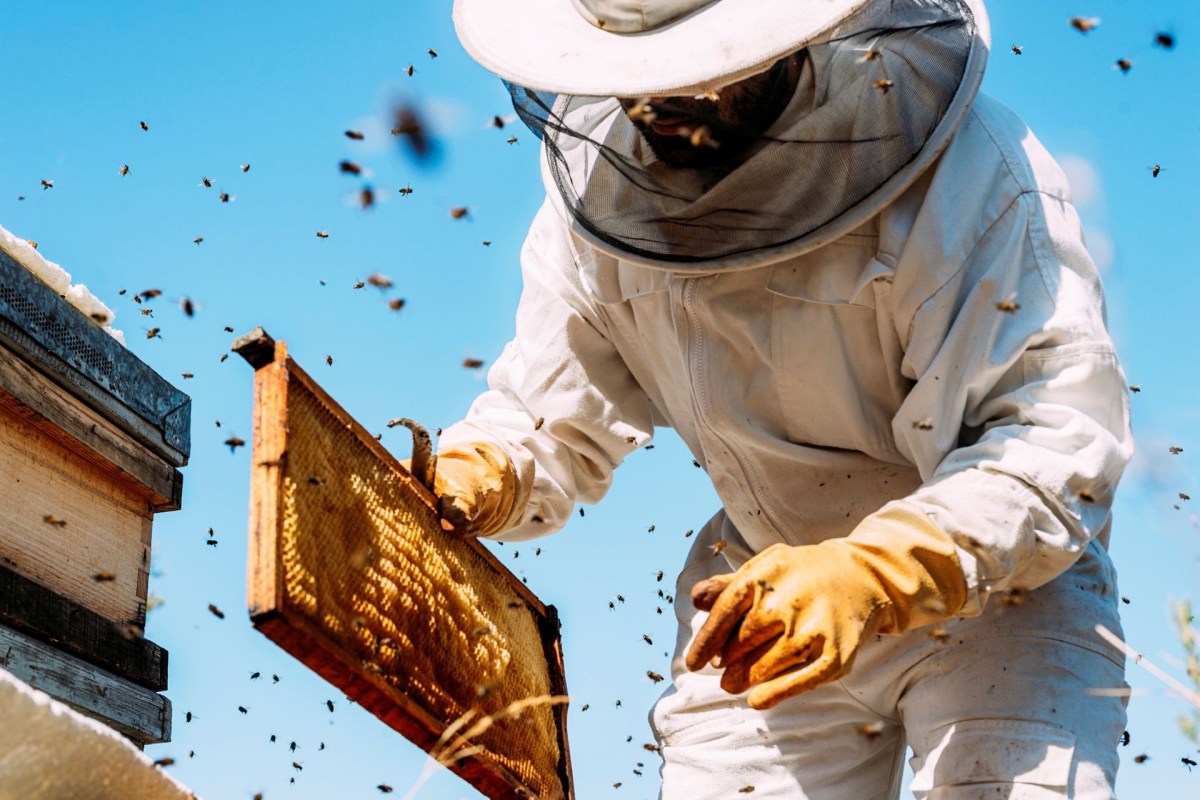
Four U.S. beekeepers have sued the USDA, arguing its organic honey label no longer gives shoppers a meaningful distinction.
They objected to Canadian honey qualifying for the USDA organic seal even though Canada's organic requirements are less strict than the U.S. rules they meet.
In their view, giving both products the same seal reduces the value of a label meant to reward higher standards for domestic beekeepers and the communities around them.
Here's what to know
The case turns on how the USDA treats two different organic systems as equivalent. The beekeepers said honey certified under Canada's standards can be sold with the same USDA seal as honey produced under stricter U.S. rules.
According to Capital Press, the lawsuit targets the USDA's handling of the policy. The arrangement works like a loophole, letting imported honey compete as though it meets the same standard as U.S. organic honey.
An organic certification has market value only if buyers believe it marks a real difference. When products made under unlike rules receive the same designation, U.S. producers may struggle to justify the extra premium attached to "organic."
TCD Picks » Quince Spotlight
💡These best-sellers from Quince deliver affordable, sustainable luxury for all




More background
According to Capital Press, domestic organic honey sales are down about 20% over two decades, even as Americans consume more honey than before.
Moreover, if a federal label obscures differences in production standards, small U.S. producers could lose a quality-based edge, and consumers would lose an easy way to support them intentionally.
For people making fast decisions at the store, that means a familiar certification may signal less than they assume.
As trust in the label fades, communities have a harder time using clear, credible labeling to steer support toward local agriculture.
What's being done?
The beekeepers' lawsuit challenges the policy they say gives imported honey access to the same organic branding as U.S. honey made under stricter rules.
The fix is to close the import "loophole," per the complaint. It argues that doing so would make the USDA organic seal a clearer cue for shoppers and a stronger competitive benefit for domestic producers.
A more immediate consumer response is to buy local honey instead of assuming every organic label reflects the same standards. It isn't a substitute for a policy change, but it gives shoppers a more direct way to support nearby producers while the lawsuit moves forward.
Where can I learn more?
Questions about what labels really mean aren't limited to honey.
• Florida Crystals was sued after consumers were deceived by eco-friendly claims tied to cane burning.
• In Canada, farm groups withdrew their support after calling the federal agriculture strategy deeply disappointing.
• Gardeners are warned that common products can still harm pollinators, even in organic yards.

Get TCD's free newsletters for easy tips, smart advice, and a chance to earn $5,000 toward home upgrades. To see more stories like this one, change your Google preferences here.






