


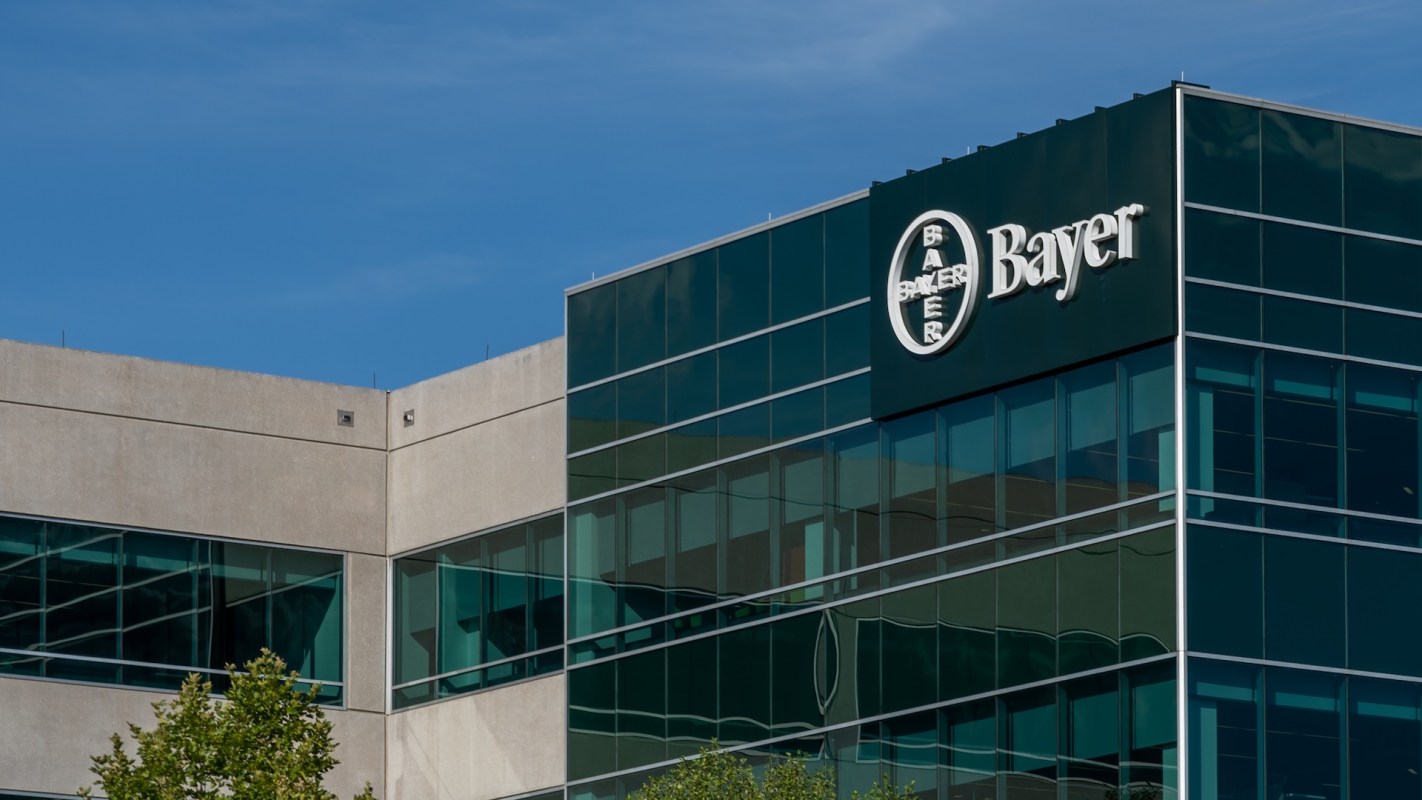
The German company Bayer has faced extensive scrutiny and legal action over the herbicide Roundup and allegations that it causes cancer, since acquiring the product's maker, Monsanto, in 2018.
Now, lawmakers across all three branches of government, and at the state level, are deciding to what extent they will shield the German company from liability. This comes as the German company has proposed a $7.25 billion settlement for the many individuals who claim Roundup gave them cancer, according to the New York Times.
What's happening?
Congress is currently considering the latest Farm Bill, the Farm, Food, and National Security Act of 2026, in which there is a provision (Section 10205) that would bar local and state governments from warning consumers about the risks of pesticides.
Additionally, the Farm Bill would provide Bayer with permanent immunity if farmers or others contract non-Hodgkin lymphoma due to the glyphosate found in Roundup, according to the American Prospect.
Bayer is a German chemical company. They make Roundup. Roundup gives people non-Hodgkin lymphoma. Bayer has paid over $11 billion in cancer lawsuits.
— Brian Allen (@allenanalysis) April 27, 2026
This week, Congress is going to vote on a bill that gives Bayer permanent immunity from being sued by Americans who get cancer… pic.twitter.com/Qj2z5ZDa2L
The provision does have its critics in Congress. Rep. Chellie Pingree, for example, has campaigned against the rider regarding pesticides, calling it a "cancer gag act."
In a press release, Pingree wrote that "this Farm Bill is a gift to Big Chemical, plain and simple. It delivers exactly what giants like Bayer have spent years lobbying for: blanket immunity from lawsuits and the power to gut the state warning label laws that protect families, farmers, and children."
TCD Picks » Quince Spotlight
💡These best-sellers from Quince deliver affordable, sustainable luxury for all




At the executive level, President Trump signed an executive order that declared glyphosate to be "critical to national defense" and could potentially shield Bayer from further litigation. To combat the executive order, some members of Congress are advocating for the No Immunity for Glyphosate Act.
Now, the Supreme Court is hearing arguments that could potentially end thousands of lawsuits against Bayer for cancer-related claims. The case landed at the Supreme Court level after Bayer appealed a Missouri court's decision over a man's glyphosate exposure and cancer claims.
Meanwhile, at the state level, there are bills in nine states that are considering providing legal immunity to the maker of Roundup. Several states, most recently including Kentucky, have given Bayer such immunity.
What's next?
Despite the fact that the WHO described glyphosate as "probably carcinogenic to humans," Bayer is likely to succeed to some degree in protecting itself from more legal claims.
This comes despite an Ipsos poll showing that nearly 2 in 3 Americans don't want corporations to gain such liability shields, and that nearly 4 in 5 worry about pesticide use in general.
While the fate of the legislation and the Supreme Court case is still uncertain, there are things that you can do to protect yourself.
Bayer is phasing out glyphosate from its consumer products, as Purdue University's Department of Forestry and Natural Resources covered in 2024. However, its agricultural products still rely on it, and confusion can occur.
Rewilding your yard and using natural pesticides and herbicides not only decreases lawn maintenance costs, but also shields you from chemicals.

Get TCD's free newsletters for easy tips, smart advice, and a chance to earn $5,000 toward home upgrades. To see more stories like this one, change your Google preferences here.






