With electricity costs climbing, Atlantic City Electric is pointing to a storage project in South Jersey as a possible way to ease pressure on household bills.
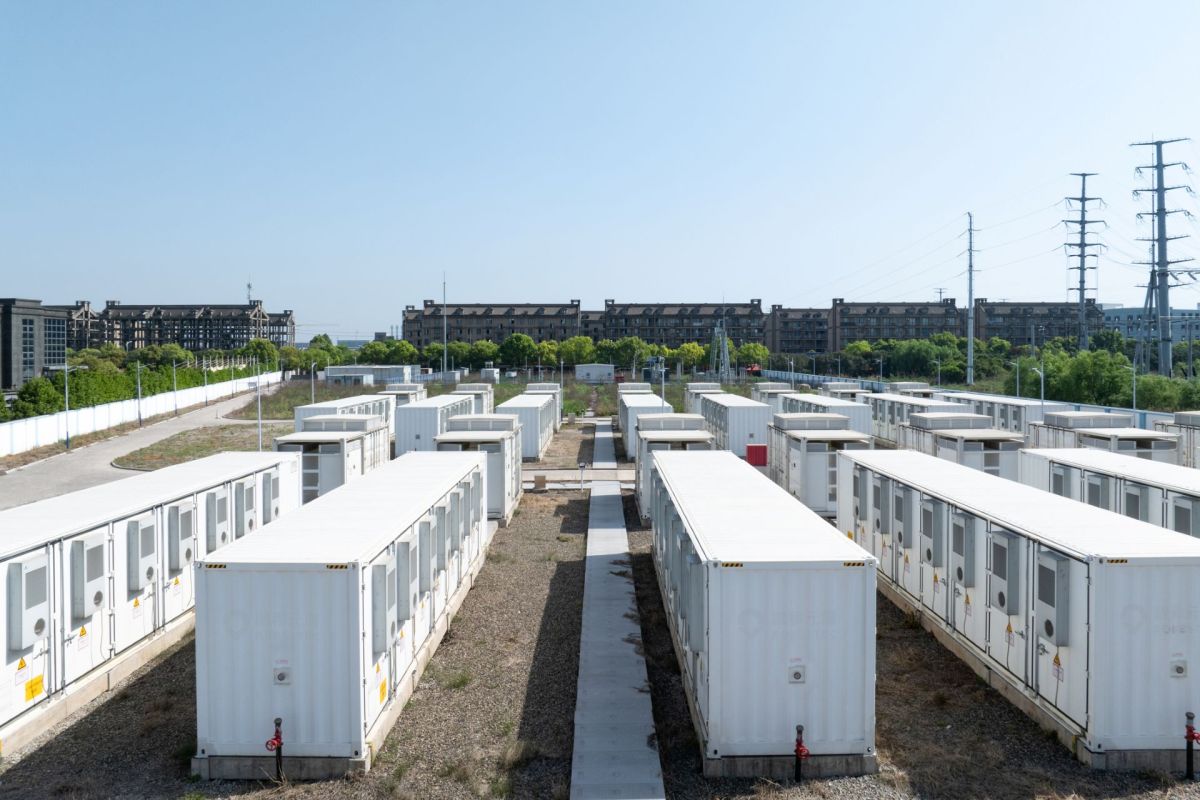
The proposal centers on a large battery installation in Salem County that would hold electricity for later use and release it when the grid is busiest and power prices rise.
What happened?
According to Shore Local News, the utility has asked the New Jersey Board of Public Utilities to approve up to 500 megawatts of battery storage on land it owns in Salem County. Atlantic City Electric said that amount of capacity could serve about 400,000 homes.
If regulators approve the plan, Invenergy would help develop the project, which is aimed for completion in late 2030. The facility would not produce electricity itself; instead, it would store energy and feed it back to the grid during high-demand periods, when wholesale power tends to cost the most, and the system faces the most strain.
Andrew Hendry, region president for Atlantic City Electric, said the filing is meant to address the region's growing power supply problem.
"Battery storage is a practical solution that can be deployed quickly to help manage rising energy costs for customers, strengthen reliability, and support the grid during periods of peak demand," Hendry said.
TCD Picks » Quince Spotlight
💡These best-sellers from Quince deliver affordable, sustainable luxury for all




Why does it matter?
Atlantic City Electric said the average residential customer is paying about $40 more per month than in 2024, and that PJM energy supply costs account for 86% of that increase.
By sending stored electricity into the grid when demand spikes, battery storage can reduce some exposure to those price swings. It can also help curb price surges, support the grid during heat waves, and make the power system more resilient when it is under stress.
The proposal also comes as New Jersey relies on imports for nearly half its energy use, according to Atlantic City Electric. More in-state storage could give the region another tool to keep the lights on during extreme weather or peak-usage periods while helping cities, businesses, and households avoid some of the disruption that comes with grid strain.
What's being done?
The project still requires regulatory approval, and the BPU review process is expected to examine whether it provides clear value for customers. Atlantic City Electric said there would be no effect on customer bills during the first five years after the project begins operating.
The company said early-year federal tax credits, along with revenue from PJM markets, could offset nearly 70% of the project's cost over time. Atlantic City Electric is presenting the battery as both a reliability measure and a way to help with affordability.
Storage projects like this can help utilities respond more quickly to demand swings, reduce reliance on volatile energy markets, and create a more dependable backup layer for a cleaner, more flexible power system.
"This project is a direct response to the energy supply challenges facing our region," Hendry said. "Now we are stepping up to take action to address this challenge."

Get TCD's free newsletters for easy tips, smart advice, and a chance to earn $5,000 toward home upgrades. To see more stories like this one, change your Google preferences here.