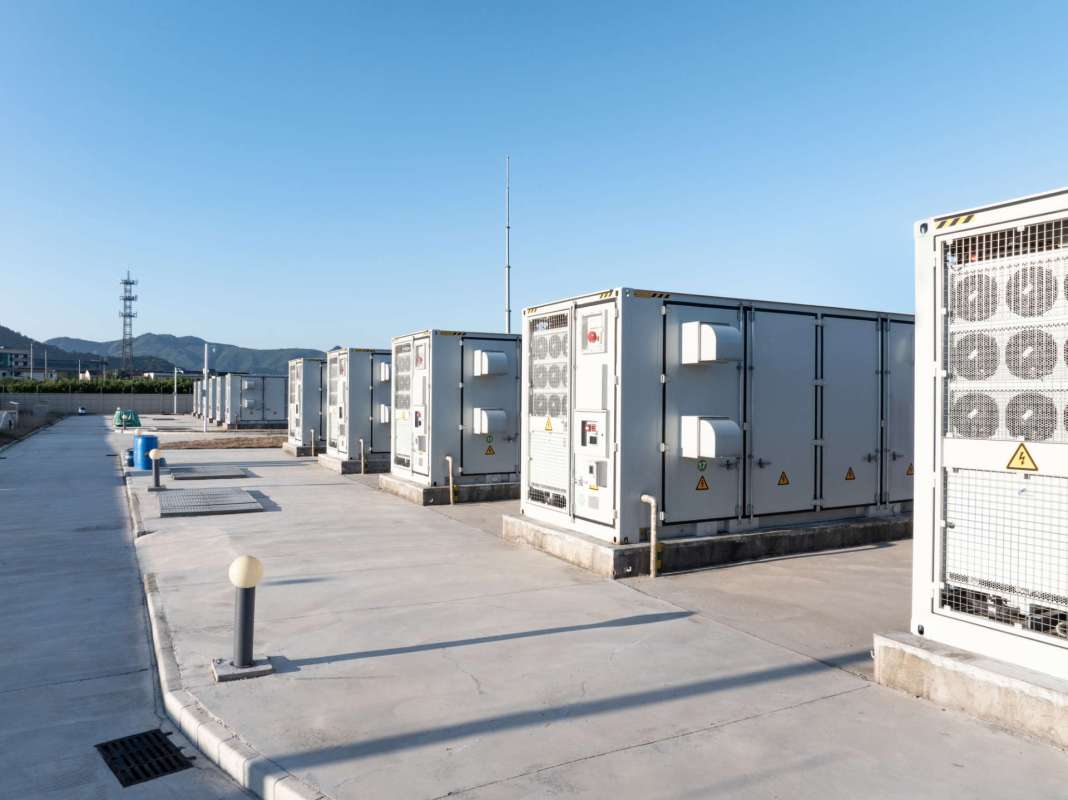
America's battery boom is accelerating even as the power grid reveals how outdated it is. Developers want to build large storage projects that can take in low-cost electricity and release it during periods of high demand, but many are being delayed by the work and equipment needed to connect them.
Here's what to know
The line for grid access is getting longer. As the Los Angeles Times reported, about 750 gigawatts of energy storage projects are sitting in interconnection queues across the country — roughly the capacity of more than 700 nuclear reactors.
Not every one of those proposals will be built, and some developers have already abandoned projects after long delays. Still, the slowdown itself has become much more severe: by 2025, the median wait for a connection had climbed to five years, compared with about 18 months in 2015.
One reason batteries are valuable is their ability to shift electricity to when it is needed most. They can charge when renewable power is plentiful and prices are lower, and then discharge during expensive peak hours, helping lower bills, cut pollution, and reduce grid stress, particularly during heat-fueled surges in demand.
The strain is showing up in both New York and California. Consolidated Edison Inc. said its backlog of battery storage projects awaiting interconnection tripled, and California regulators have warned that slow grid-upgrade work could delay projects around the state.
More background
Storage has become more appealing as battery costs have fallen, but the grid it depends on has not been upgraded at the same pace. Years of underinvestment in infrastructure have left the system struggling to keep up.
TCD Picks » Quince Spotlight
💡These best-sellers from Quince deliver affordable, sustainable luxury for all




Large battery projects often cannot move forward until utilities expand or reinforce nearby grid equipment, including substations, transmission lines, transformers, and specialized circuit breakers. Progress on those upgrades has been slowed by scarce equipment, higher prices, and a shortage of skilled workers.
"A combination of cost and limited manpower are at the core of what the issue is," Allison Feeney, a research analyst at Wood Mackenzie, said.
California utilities have offered vivid examples of the problem. PG&E told regulators in January that obtaining certain specialized breakers could take nearly four years, and it said delays involving substations and transmission lines have already put hundreds of megawatts of storage capacity at risk in Northern California and the Bay Area. Southern California Edison has also had unfinished upgrades delay 13 gigawatts of new generation and storage.
What's being done?
Officials are trying to speed up interconnection by reworking how projects move through the process. Instead of relying mainly on who filed first, regulators are placing greater emphasis on projects that are further along and are trying to limit speculative applications that slow everyone else down.
Utilities are also adding tougher conditions in areas where local grid equipment is already under pressure. In New York, Con Ed now requires developers to contribute to upgrade costs if a proposed project would push demand above local peak levels.
Industry groups say that change is proving costly. A survey from the New York Battery and Energy Storage Technology Consortium found the policy added an average of $21 million to each project, and at least 25 projects have been canceled.
If more storage can get connected, it could help businesses and cities manage peak electricity use, make the system more adaptable during extreme heat, and improve the chances of lower power costs for households.
"We've definitely seen a lot of value from having more batteries on the grid and their ability to help meet the evening peak," said Danielle Mills, director of infrastructure policy development at California Independent System Operator.

Get TCD's free newsletters for easy tips, smart advice, and a chance to earn $5,000 toward home upgrades. To see more stories like this one, change your Google preferences here.