


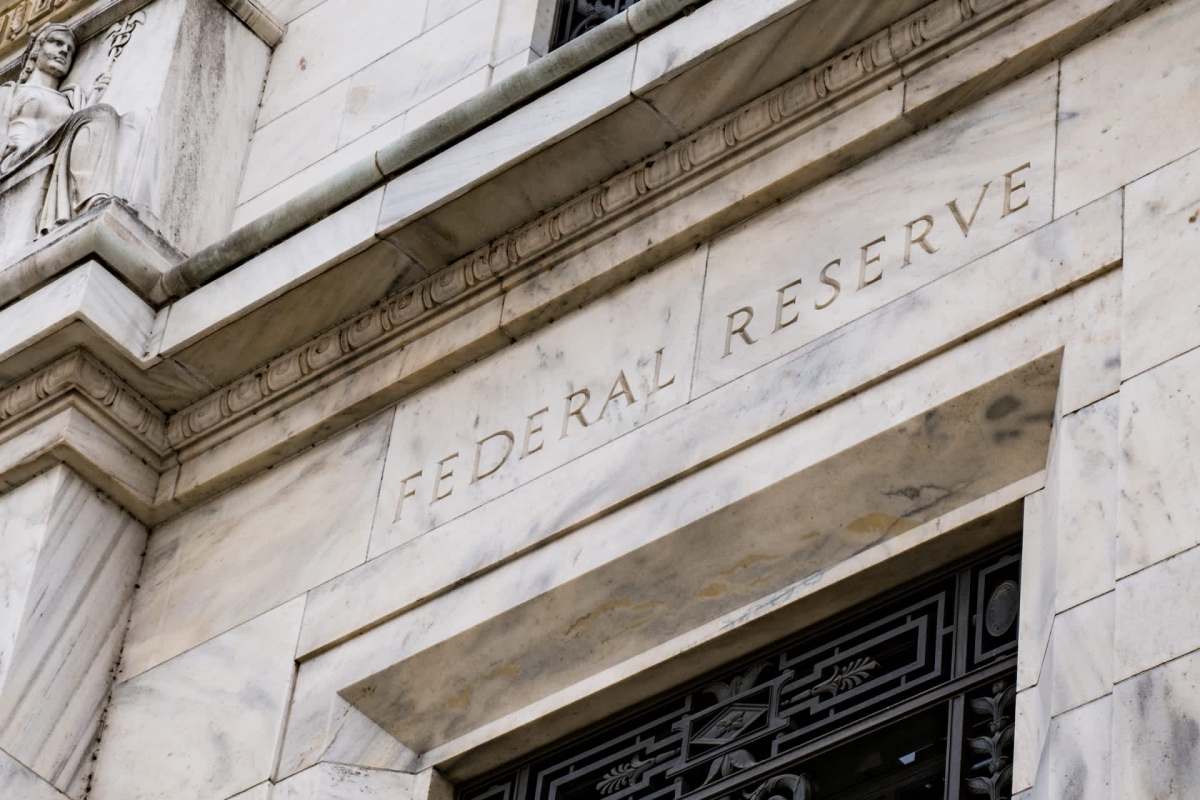
U.S. banking regulators are asking banks to account for their use of artificial intelligence, raising questions such as whether a system can be shut down quickly if it starts operating out of bounds.
Fear in the financial sector is growing. AI could be used to strengthen defenses against cybercrime, but it could also introduce new ways for customer information and funds to be exposed.
Here's what to know
According to Gizmodo, Reuters reported last week that the U.S. Federal Reserve, the Office of the Comptroller of the Currency, and the Federal Deposit Insurance Corporation have been asking banks for details about their AI use.
Among the questions is whether banks are using AI agents in responding to cybersecurity threats and what protections exist if those systems cause a problem.
Officials are looking for safeguards such as human review and sign-off on an AI agent's activity, limits that keep systems within their assigned authority, and a way to turn them off in an emergency.
Concerns cover cyber threats, AI tools that operate beyond human control, and the possibility of AI tools from other countries and governments entering the U.S. banking system.
TCD Picks » Quince Spotlight
💡These best-sellers from Quince deliver affordable, sustainable luxury for all




If problems emerge in any of those areas, highly sensitive personal and business data could be exposed, and access to funds could be affected as well.
More background
European financial officials are reportedly raising similar concerns. The Bank of England and the European Central Bank fear AI-related worst-case scenarios could hit financial markets faster than expected and that banks have inadequate recovery plans, according to Reuters. A senior executive at a major European bank told the news outlet they are worried about significant AI-related damage within the next year.
Gizmodo noted that OpenAI was at the center of reports that AI agents broke containment and breached Hugging Face, while CrowdStrike said Chinese AI agents using Anthropic's Claude Code were involved in cyberattacks targeting South Korean banks.
The rapid expansion of AI also has implications for the power grid, natural resources, and pollution. These systems can be used to help optimize electricity demand and improve cleaner energy management, but advanced models also require enormous computing power, which can drive electricity as well as water use.
What's being done?
U.S. groups are asking whether people can monitor AI systems, approve what they do, restrict their authority, and disconnect them in an emergency.
International coordination is also under discussion.
Andrew Bailey is governor of the Bank of England and chair of the Financial Stability Board of the G20, an intergovernmental forum. According to Gizmodo, Bailey has called for global cooperation on the financial risks tied to agentic AI.
"For the financial system, the most immediate concern is the potential impact of frontier AI on cyber risk," Bailey wrote in a letter to the G20 in August. "The global financial system is highly interconnected, and cyber disruption can spread across jurisdictions through common technology providers, shared infrastructure, and cross-border financial activity."

Get TCD's free newsletters for easy tips, smart advice, and a chance to earn $5,000 toward home upgrades. To see more stories like this one, change your Google preferences here.






