


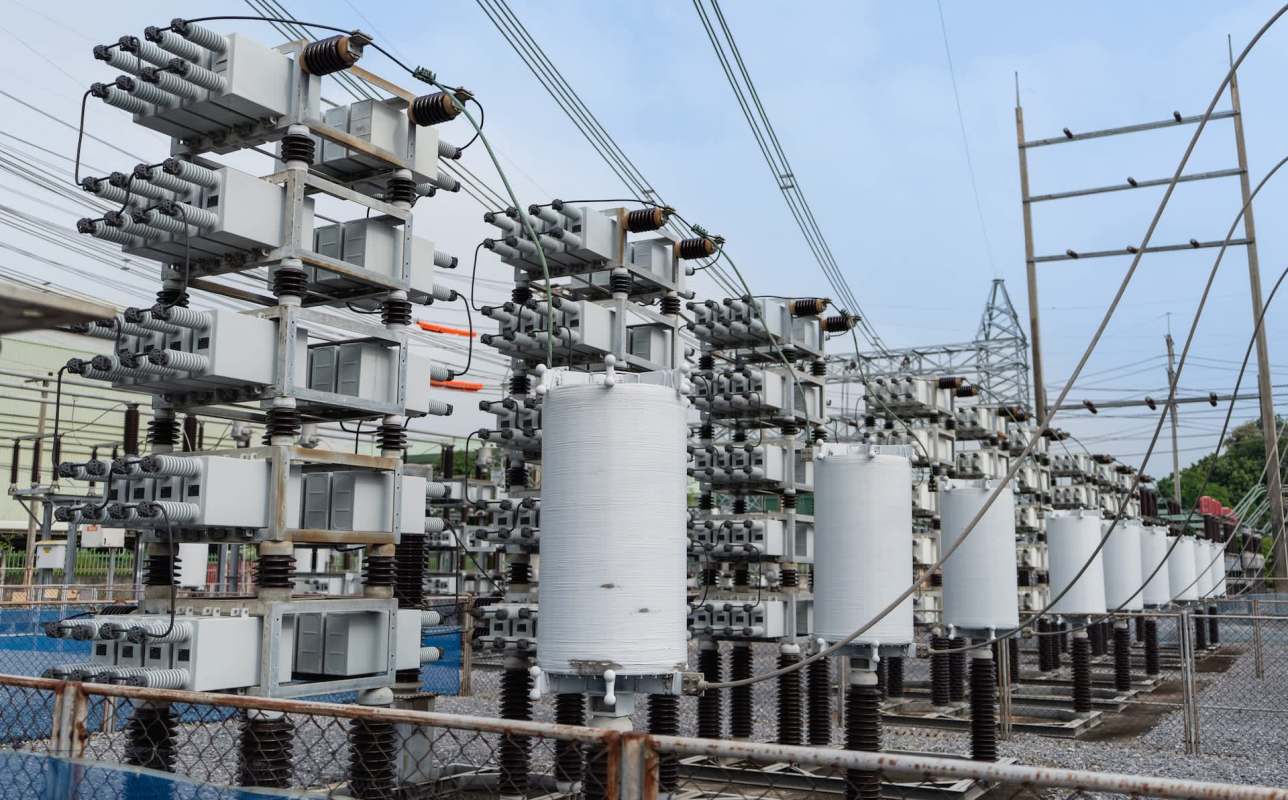
A power line upgrade project in Baltimore estimated to cost $105 million ballooned to over $407 million before being put on hold when its developer, Under Armour, backed out.
Now a consumer watchdog group, the Maryland Office of People's Counsel, is calling out the failed project and arguing that regular utility customers are going to end up paying.
Here's what to know
The OPC argues that local utility projects don't have to go through competitive bidding or strict cost controls the way regional projects do, as The Baltimore Sun reported. It's asking federal regulators to address and close this loophole.
But the utility company in charge, Baltimore Gas and Electric, is pushing back and arguing the cost increase was reasonable and caused by inflation, high labor costs, supply chain issues, and design changes made by the developer.
More background
At its core, this is a familiar challenge in utility regulation: upgrading the grid while keeping electricity affordable for the people who depend on it every day.
If utilities can easily recoup excessive spending, communities may pay more without having much influence over the planning choices that lead to those costs. For households with few options when bills rise, that pressure can be especially acute.
TCD Picks » Quince Spotlight
💡These best-sellers from Quince deliver affordable, sustainable luxury for all




The issue also reaches beyond utility regulation and into climate action and equity. A cleaner future depends partly on public backing for large infrastructure efforts, including grid improvements and transmission expansion.
But this debate proves there's tension.
If trust wanes, progress toward a more resilient and less-polluting energy system can slow.
What's being done?
Stronger oversight may be necessary to change how utilities plan, manage, and justify major projects.
That could include cost controls, public reporting, and required explanations of changes in estimates. Regulators can also consider whether shareholders and not ratepayers should absorb more of the risk.
Utilities can rebuild confidence by being more transparent. That includes sharing project milestones, identifying problems publicly, and explaining why a project still makes sense if its price tag has multiplied.
Consumers have some tools, too. They can monitor rate cases, file comments in public proceedings, and look into bill assistance and energy-saving programs that may reduce the impact of higher costs.
The grid will require continued investment regardless. What remains unsettled is whether that spending will be handled in a way that protects the public or whether families will keep being asked to pay more for projects they had no role in planning.
Where can I learn more?
These stories look at Maryland rate hikes, utility surcharges, oversight fights, and other pressures on power bills.
• BGE sought an $8 monthly hike after reporting $578 million in profit.
• Officials went to FERC to challenge a $20 million surcharge on utility customers.
• A coalition pressed lawmakers as bills spiked to $1,700 for some households.

Get TCD's free newsletters for easy tips, smart advice, and a chance to earn $5,000 toward home upgrades. To see more stories like this one, change your Google preferences here.






