


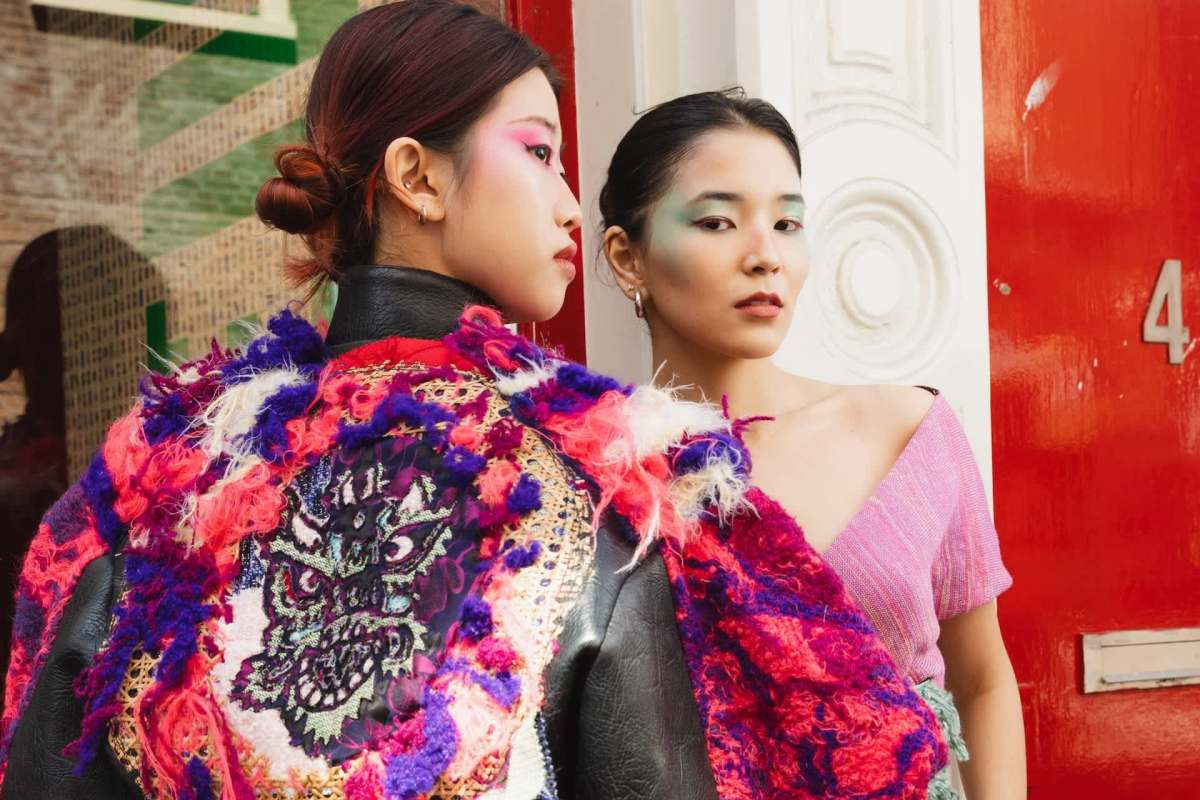
After seeing the devastating impact waste has on the planet, an 18-year-old artist in Bali decided to make a difference. She started making fashion and art from discarded plastic and fabric, and the results are stunning.
For Ella Doeringer, an 18-year-old Hong Kong-born German-Chinese artist and fashion designer, what people throw away becomes her creative material.
Her brand creates a forward-thinking and lower-cost way to rethink what gets bought, worn, and discarded.
What's happening?
Sustainability sits at the center of Dirtyfinger, the brand created by Hong Kong-born German-Chinese artist and fashion designer Ella Doeringer — an approach shaped by what she witnessed in Bali.
According to the South China Morning Post, that shift began after her family moved to the Indonesian island in 2021 during the COVID-19 pandemic.
She attended Green School, an international school known for its emphasis on environmental protection, sustainability, and ecological science.
TCD Picks » Quince Spotlight
💡These best-sellers from Quince deliver affordable, sustainable luxury for all




By taking part in beach cleanups and related activities, she came face-to-face with the scale of plastic pollution along the shoreline.
"The whole thing with sustainability started when I moved to Bali in 2021," Doeringer said. "That's when I saw first-hand the negative impact of waste pollution."
Some of her works were auctioned to support efforts addressing Bali's waste crisis, and her pieces have been shown at six venues in and around the island. They began with trash she picked up during cleanups and turned it into art.
Why does it matter?
Bali's plastic problem is a local environmental issue, but Doeringer's response points to a broader challenge: how to reduce waste in a world flooded with cheap, disposable products.
Her work turns litter and repurposed textiles into a reminder that "throwaway" items often still hold value.
Repairing clothing, reusing fabric, and choosing secondhand or upcycled fashion can help reduce purchases of brand-new items, which can translate into large savings over time.
It also offers an alternative to fast fashion, which often carries hidden environmental costs.
Rather than treating environmentalism as an abstract idea, she connects it to everyday items, what people wear, what they throw away, and what they decide is worth fixing.
Style does not have to depend on buying more stuff.
What's being done?
As the South China Morning Post described, she repairs and reuses fabric to make distinctive fashion pieces, while waste gathered during cleanups becomes part of her art.
That approach keeps materials in circulation longer, giving damaged or discarded items another use instead of sending them directly to a landfill.
She has also exhibited the work publicly, with some auction proceeds going toward efforts to address Bali's waste crisis.
"Seeing all the plastic on the beaches, I was really shocked. That is when I started to do art surrounding this theme. I wanted to raise awareness about pollution. I started to use the trash I collected from beach clean-ups to create art."

Get TCD's free newsletters for easy tips, smart advice, and a chance to earn $5,000 toward home upgrades. To see more stories like this one, change your Google preferences here.






