


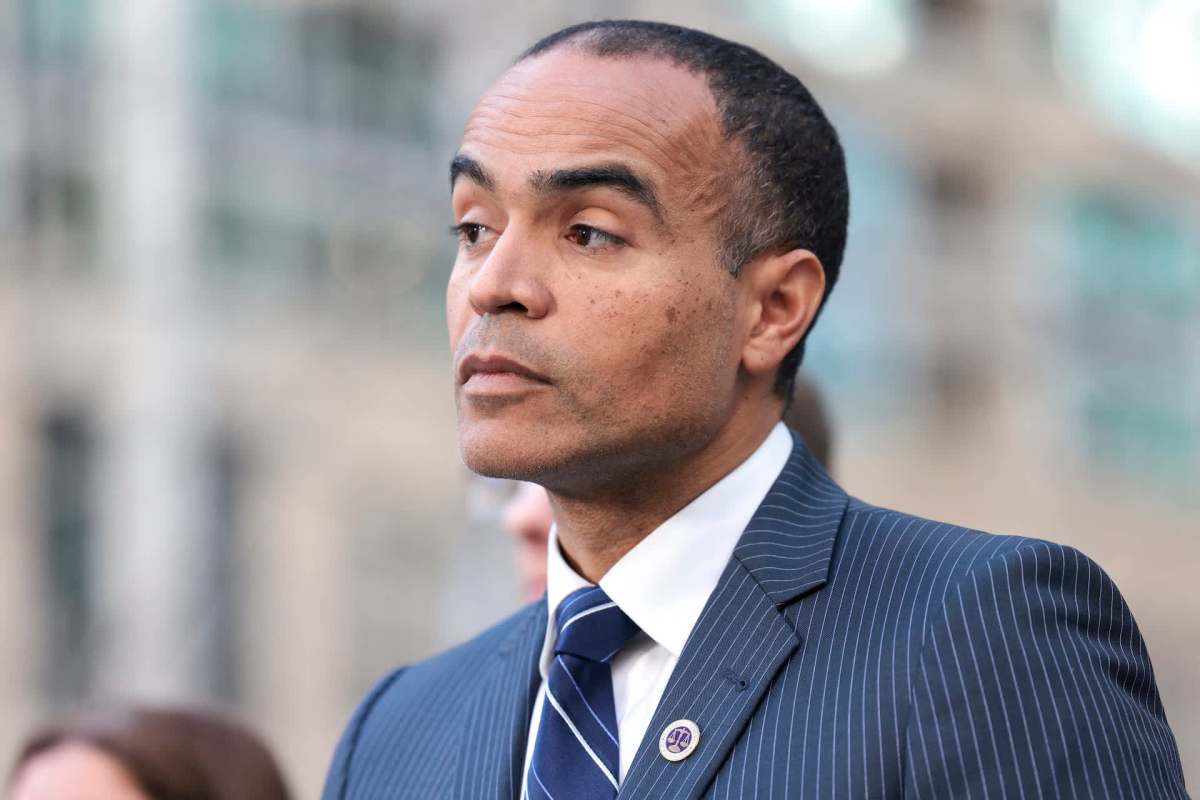
State regulators are weighing whether Avista can raise electricity and gas rates in the Spokane area. Washington Attorney General Nick Brown said the utility's request goes well beyond what customers should have to cover.
At the center of the dispute is a question with major consequences for households: How much profit should a monopoly utility be allowed to make when customers have nowhere else to turn?
Here's what to know
Brown's office said Avista's proposal overstates the return it should be allowed to recover by about $115 million in the first year. The company is seeking $110 million more in electric revenue, while public counsel instead recommended a $5.3 million reduction, according to The Spokesman-Review.
For Brown, the case hinges in part on the fact that Avista serves many Spokane-area residents as their only option for power and gas service. He said that kind of monopoly status warrants stricter limits on the return regulators allow the company to earn.
"Avista, like other utility companies, have a true monopoly over utility services in Washington state, and so in the Spokane Valley, you don't have an option but to use Avista, and so when you have a monopoly like that, it's reasonable for the state to demand a more modest level of increase rather than what Avista is proposing," Brown told the publication.
The utility rejects the idea that it is pricing service based on what the market will bear, saying its rates are built around the cost of operating its system.
TCD Picks » Quince Spotlight
💡These best-sellers from Quince deliver affordable, sustainable luxury for all




"We're cost-based," said Pat Ehrbar, director of regulatory affairs at Avista, per The Spokesman-Review. "So we're not market-based in terms of our pricing. Starbucks, they can charge my daughter $9 for a drink … That's market-based pricing. We are cost-based."
The Washington Utilities and Transportation Commission will take public comment on August 27 and then hold an evidentiary hearing from September 17 to September 18, with a ruling expected in December.
More background
A key issue in the case is Avista's allowed return on equity, the profit percentage regulators permit the utility to earn on the infrastructure it owns. Brown said Avista has not shown that it needs more than a 7.2% return. The company filed for 10.2%.
Other groups have landed somewhere in the middle. Staff at the Washington Utilities and Transportation Commission put their recommendation at 9.625%, and the Alliance of Western Energy Consumers put it at 9%. Avista has argued that Brown's position is unusually low and could make it harder for the company to attract investment.
The attorney general's office has also taken aim at what it describes as unnecessary cost pressures being passed on to ratepayers, including executive compensation and other expenses that customers should not have to fund.
"When we're talking about Avista, they're essentially asking Washingtonians to cover things like their CEO pay increases, and their marketing expenses, and their lobbying expenses," Brown said.
If the commission approves higher rates, customers would begin feeling the impact in January.
What's being done?
The Washington Utilities and Transportation Commission is handling the case through its standard rate-review process. Brown said his office's role is to test Avista's filing and challenge any part of it that is not adequately supported.
The attorney general's office is also calling for closer scrutiny of Avista's capital spending. In a statement, the office said, "Washingtonians should be confident that Avista is making a solid business case for every capital project that ratepayers purchase with rates."
Avista argued that squeezing its return too far could backfire by weakening its credit profile and making future borrowing more expensive, costs it said could ultimately reach customers.
"Seemingly, we could have just filed a 10.9%," Ehrbar said. "But that's probably not reasonable, especially from the affordability side, so that's where we landed at the 10.2%."
Brown added, "People are very concerned about how much they're paying utilities … it is important that we use the tools that we have available to us to make sure that any rate increases are, one, in accordance with the law, and two, reasonable."

Get TCD's free newsletters for easy tips, smart advice, and a chance to earn $5,000 toward home upgrades. To see more stories like this one, change your Google preferences here.






