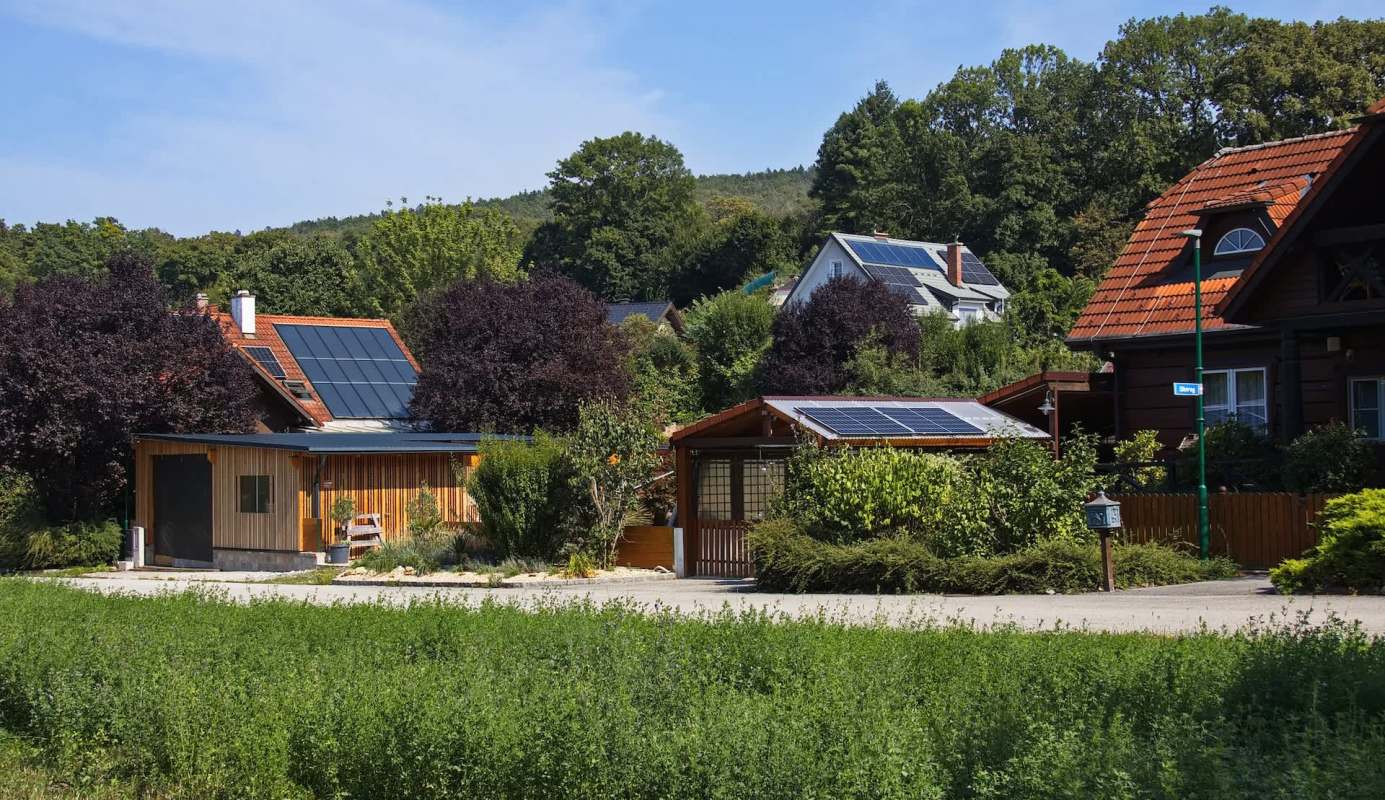
Austria is reworking its solar incentive system after the latest photovoltaic-and-battery grant round ran through its entire budget in just 33 seconds.
The scramble shut out thousands of applicants and has intensified calls for policymakers to rebuild a program meant to help more households and businesses benefit from clean energy savings.
Here's what to know
Before the final funding round opens in October, the Austrian government is putting together a revised subsidy framework. As reported by PV Magazine, the Austrian Ministry of Economy and Energy on Aug. 21, 2026, outlined a storage-centered strategy that is expected to influence support programs beginning in 2027.
Under the proposed shift, storage would take on a bigger role in future solar support. Officials also said battery projects should count for more in grid planning and that permitting for battery storage is expected to speed up.
The ministry is also preparing a separate subsidy option for intelligent energy management systems, or EMS, in residential and commercial settings. Those systems can increase how much self-generated electricity people use themselves instead of feeding it back into an already stressed grid during peak solar production hours.
From 2027, the government also plans to abandon the current speed-driven application system.
TCD Picks » Quince Spotlight
💡These best-sellers from Quince deliver affordable, sustainable luxury for all




The ministry stated, "Funding applications should in future be able to be submitted after installation and invoicing — based on the principle of the craftsman bonus," per PV Magazine.
More background
Officials are looking to phase down broad support for standard rooftop solar and redirect funding toward storage and energy management upgrades that raise self-consumption and ease pressure on the grid.
Solar power often floods the system in the middle of the day, when supply is high and demand is lower. Without storage, households and businesses can miss out on some of the financial value of the electricity they generate, while the grid is left to manage sudden surges.
Aid would still remain available for more specialized solar categories, including building-integrated photovoltaics, agri-PV, solar carports, floating solar, and barrier-based installations. Austria's "Made in Europe" bonus is also expected to stay in place.
What's being done?
Letting people apply after installation and invoicing, instead of forcing a race for limited funds, could make the subsidy process more predictable and much less dependent on split-second timing.
Austria also wants to let existing solar installations qualify for subsidies when adding batteries and EMS later on. That would allow households and businesses that already paid for panels to get support for those upgrades, too.
Giving storage a larger role in infrastructure planning while also speeding up battery storage permitting could help the country make better use of the solar electricity it already produces.
Pairing solar with storage and smart energy management may become more central to future savings than panels alone. As incentive programs evolve, households that can store midday electricity for evening use may be in a stronger position to cut bills and rely less on the grid.
According to PV Magazine, Austria's economy minister, Wolfgang Hattmannsdorfer, said, "The challenge is not that we generate too little cheap domestic electricity in summer. We have to make it available when we need it. Used correctly, storage brings cheap solar power from midday into the more expensive evening hours."
Where can I learn more?
Elsewhere, similar questions are reshaping solar policy and adoption. Funding rules, easier installation options, and broader energy planning can affect who gets access to solar savings and how well those systems work for the grid.
• In the United States, $7 billion in solar incentives reopened access last year for households seeking rooftop savings.
• In Germany, apartment dwellers plug in balcony solar, and demand has surged toward three million systems.
• Morocco's Noor complex is helping Europe free itself from Russian energy as reliability concerns reshape power choices.
Each of these stories points to the same challenge: increasing solar capacity and access. That puts the focus on incentives, storage, and other supporting technology that can turn rising demand into dependable savings.

Get TCD's free newsletters for easy tips, smart advice, and a chance to earn $5,000 toward home upgrades. To see more stories like this one, change your Google preferences here.