


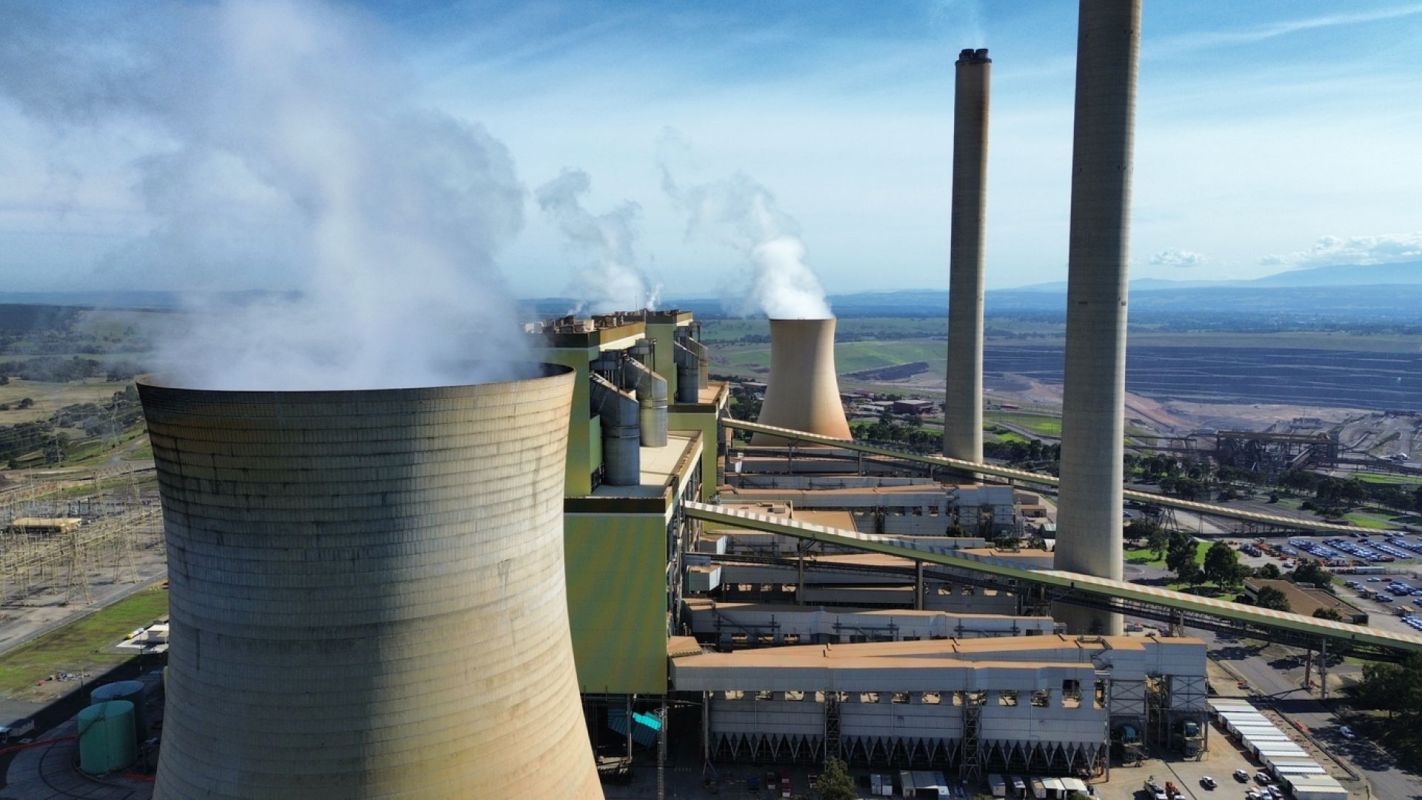
The Australian government is said to be committed to climate action, but its continued support for fossil fuels is raising fresh questions about what taxpayer money is actually funding.
In the 2025-26 financial year, fossil fuel subsidies reached AU$16.3 billion, or about US$10.7 billion.
What's happening?
Drawing on an Australia Institute report, a YouTube explainer from The Electric Viking (@electricviking) said government support for coal, oil, and gas remained enormous in 2025-26 and increased from 2024-25.
The total was up 9.4% from 2024-25, which translated into roughly AU$31,000 each minute going to fossil fuels.
The largest subsidy was identified as the fuel tax credit scheme, estimated at AU$10.8 billion for 2025-26, with mining companies among those that benefit most.
"You cannot subsidize the old technology by $10 billion a year and then wonder why that new technology is taking its time getting here," the Electric Viking said.
TCD Picks » Quince Spotlight
💡These best-sellers from Quince deliver affordable, sustainable luxury for all




One commenter wrote, "Sick and sickening. Throw those responsible out of power, forever."
Why does it matter?
When billions in public money go toward fossil fuel companies, that can slow the shift to cleaner alternatives such as electric vehicles, battery storage, and renewable energy infrastructure.
Slower electrification can mean a longer dependence on volatile fuel markets, more climate-heating pollution, and fewer public dollars available for services or investments that could lower energy costs over time.
The subsidies undercut Australia's stated clean-energy ambitions by showing a gap between rhetoric and spending.
"If you want to know what a government actually believes, don't listen to what it says, look at where the money goes," the Electric Viking said.
Another commenter tied the issue directly to national priorities, writing, "It's time for mining to pay us. The resources sector has had a tax holiday for too long."
What's being done?
The Electric Viking said momentum for subsidy reform is coming from beyond environmental groups, naming the Australian Council of Trade Unions, the chair of the Climate Change Authority, and Fortescue as voices seeking changes to major fossil fuel supports.
He also cited economists pushing for a different approach. For example, Nobel Prize-winning economist Joseph Stiglitz said in February that Australia should "follow the money" and levy a high tax rate on natural resources extraction.
Australia's position at international climate summits has added to the debate as well. The federal government signed a declaration at U.N. talks in Brazil recognizing the need to phase out inefficient fossil fuel subsidies, even as overall support continues to climb.
For householders, rooftop solar, home batteries, and EVs can still reduce exposure to fuel costs, but large-scale progress will depend heavily on policy choices.
As the Australia Institute said, "Fossil fuel subsidies harm the budget and they make the climate change worse."
As one viewer put it, "I'd say stalling the transition into renewables is a lucrative business."

Get TCD's free newsletters for easy tips, smart advice, and a chance to earn $5,000 toward home upgrades. To see more stories like this one, change your Google preferences here.






