


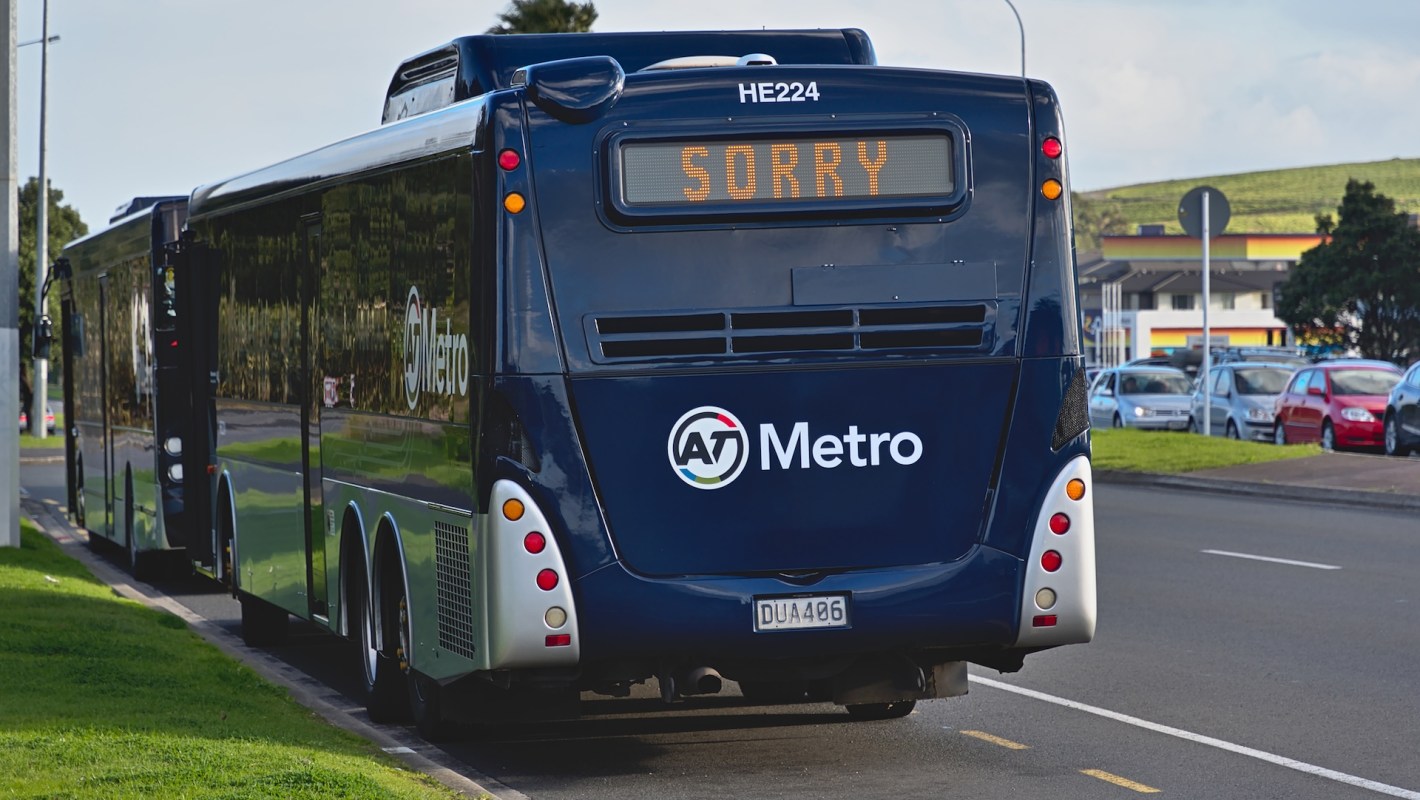
Thousands of Auckland transit riders are being reimbursed after a fare-card fault caused excess charges, with repayments totaling more than 450,000 New Zealand dollars ($250,000).
Here's what to know
Roughly 19,500 trips taken by 14,400 passengers, accounting for about 1.2% of the 1.24 million contactless users, were affected when a small number of card readers developed a clock-synchronization problem, Auckland Transport told 1News.
Richard Harrison, Auckland Transport's executive group manager of network planning and performance, apologized, saying, "We recognize that each affected customer was charged more than they should have been, we are sorry for that and have refunded 90% of affected customers."
As 1News reported, some readers logged tag-ons and tag-offs on unsynchronized clocks, causing the system to combine journeys incorrectly and apply default fares.
The biggest single-trip charge was about 72 New Zealand dollars ($40) on a ferry-and-bus journey that should have cost around 29.50 New Zealand dollars ($16.50). Auckland Transport also said it refunded the worst-affected customer $562.60 for charges accumulated over 17 trips.
Because Auckland Transport will refund every impacted journey in full, including the correct fare, total reimbursements will exceed the actual overcharge.
TCD Picks » Quince Spotlight
💡These best-sellers from Quince deliver affordable, sustainable luxury for all




"This technology issue occurred within the ticketing system. While problems can sometimes happen in systems of this scale, that does not change our responsibility to put things right," Harrison said.
More background
Auckland Transport said a small group of SuperGold cardholders who tagged on with HOP cards around 9 a.m. may also have been affected.
The faulty readers are part of Auckland's 14-year-old HOP ticketing system, which the region plans to keep using until the 1.4 billion New Zealand dollars ($800 million) national Motu Move rollout ends in late 2027 — a year behind its original plan.
Auckland Transport is still paying to keep HOP running, including replacing aging bus driver consoles from the system's 2012 launch.
Wellington is facing similar pressure. Its transition to Motu Move was delayed from late 2025 to mid-2027, and Transport Minister Chris Bishop said in June about the city's Snapper system, "There are regular reports of Wellingtonians getting on buses, and the system's just not working, because it is end-of-life, which is why we are replacing it."
What's being done?
Nearly 48,000 New Zealand dollars ($27,000) remains outstanding for 1,615 customers after auto-refunds failed, usually indicating a card has expired.
Because contactless users travel anonymously, the agency does not have personal information for many of them. Harrison said, "Customers have up to six years to make a claim by contacting AT to have their refund assessed and processed."
Auckland Transport told New Zealand's Commerce Commission about the issue in July and followed up again on September 30. Rebecca McAtamney, the commission's general manager for fair trading and competition, said, "The commission is currently assessing whether an investigation is warranted in this matter."
McAtamney added, "When deciding whether to investigate, we assess a range of factors, including the extent of consumer harm, the seriousness of the conduct, and broader public interest." She said the commission would also consider whether the business identified the issue early and refunded riders.
Where can I learn more?
Here are more transport stories that highlight rider frustrations and system issues cropping up elsewhere.
• In New York, drivers said automated toll charges for nothing left them furious.
• One transit agency began issuing a whopping fine for vaping after changing onboard rules.
• FlixBus in Europe was forced to drop unacceptable claims from its website after a lawsuit.
• Dutch manufacturer Ebusco has put an extremely low-energy electric bus into serial production.

Get TCD's free newsletters for easy tips, smart advice, and a chance to earn $5,000 toward home upgrades. To see more stories like this one, change your Google preferences here.






