


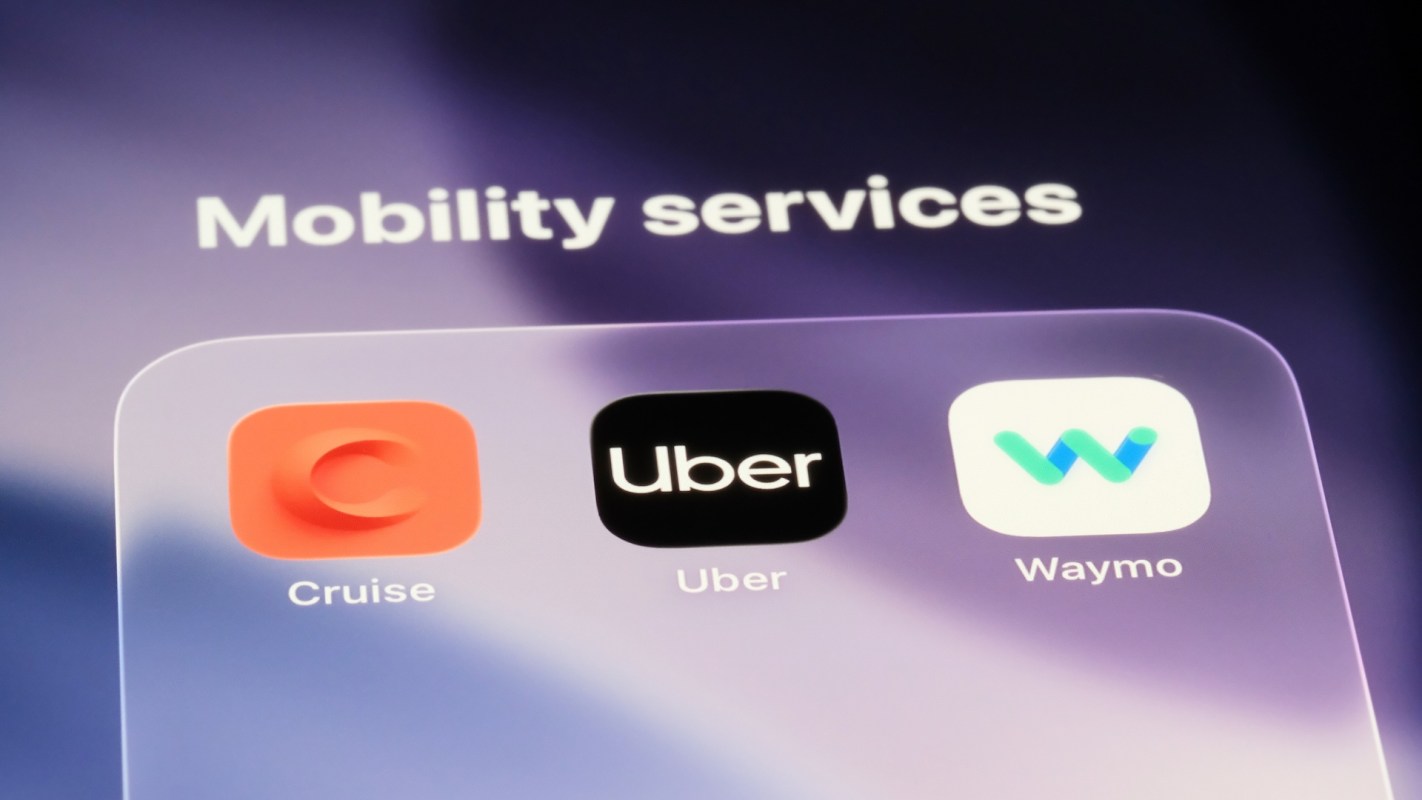
With robotaxi service spreading in Atlanta, rideshare drivers want policymakers to put the brakes on further growth, arguing their earnings are already being squeezed.
In Atlanta, drivers argue that autonomous vehicles are eating into some of the most reliable parts of their work, as Axios reported.
Here's what to know
The Atlanta Rideshare Drivers Union says conditions for Uber and Lyft drivers worsened after Waymo launched in the city in June 2025. It claims pay has dropped, gaps between trips have gotten longer, and ride offers have become less frequent, the outlet said.
The group wants city and state officials to step in by slowing the company's growth and looking at ways to reduce the financial strain drivers say the service is causing.
Liza Ramsey of the Atlanta Rideshare Drivers Union told Atlanta City Council members that the union wants a $0.50 to $1.00 robotaxi impact fee added to each autonomous trip, Axios reported. She said the revenue could support a driver transition fund for job training and other support if automation continues to replace drivers' income.
The outlet added the union is also seeking to bar robotaxis from accepting pickups at Hartsfield-Jackson Atlanta International Airport, which has long provided a dependable stream of rides for human drivers.
TCD Picks » Quince Spotlight
💡These best-sellers from Quince deliver affordable, sustainable luxury for all




Ramsey acknowledged that the union has not yet collected firm data showing income has declined. Still, she said drivers have been sharing screenshots of their earnings and repeatedly voicing concerns in group chats, per Axios.
Waymo's Atlanta service has already logged more than 5.4 million miles in fully driverless trips.
The rollout, however, has not been without problems. Residents have reported the vehicles clustering in suburban neighborhoods and driving into flooded roads.
More background
Atlanta is far from the only city where human drivers are pushing back against autonomous vehicles.
The AP reported rideshare drivers in San Francisco protested Waymo vehicles and called for stricter oversight of the industry. Similar demonstrations have taken place in cities including New York City, Los Angeles, and Seattle, as Futurism noted.
In Atlanta, the company has partnered with Uber, allowing riders to book a robotaxi in the same app they would normally use to hail a human driver, the outlet added.
Drivers say that convenience makes the competition feel more direct. The dispute points to a broader tension surrounding AI-powered systems and infrastructure.
The technology behind autonomous vehicles is part of a larger artificial intelligence boom that could help improve traffic flow, boost route efficiency, and support cleaner energy systems.
At the same time, AI tools can require large amounts of electricity and water, raise concerns about security and misuse, and create unintended consequences for workers and households, including job pressure.
What's being done?
The Atlanta Rideshare Drivers Union is pursuing a two-part approach: seeking a per-ride fee for autonomous trips and asking officials to keep robotaxis out of airport pickups.
In other parts of the country, labor organizations are also turning to legal and political action. The California branch of the Teamsters union has sued state lawmakers over what it describes as autonomous-vehicle rules that favor the industry, as Futurism reported.
Labor groups are focusing less on whether autonomous vehicles will expand and more on how cities and states respond to the disruption.
"If corporations profit from replacing human workers with automation, they should contribute to helping those workers transition to the next opportunity," Ramsey told Axios.
Where can I learn more?
Atlanta's fight over robotaxis is part of a much bigger AI story. These articles look at how the same technologies changing ride-hailing are also fueling political backlash, straining the power grid, and raising costs for households elsewhere.
• Across the US, the backlash may get brutal as AI threatens jobs, water, and electricity.
• In Maine, AI is spiking electricity costs as data centers push power demand higher.
• Big Tech's AI boom is outrunning the power grid as infrastructure spending surges.
• Utilities are signing unprecedented deals with data centers to keep electric systems stable.
For drivers who see robotaxis as the start of a larger shift, the broader AI buildout helps explain why this fight now extends beyond fares and wait times. Debates over automation are increasingly colliding with questions about energy use, utility planning, and what consumers ultimately pay.

Get TCD's free newsletters for easy tips, smart advice, and a chance to earn $5,000 toward home upgrades. To see more stories like this one, change your Google preferences here.






