


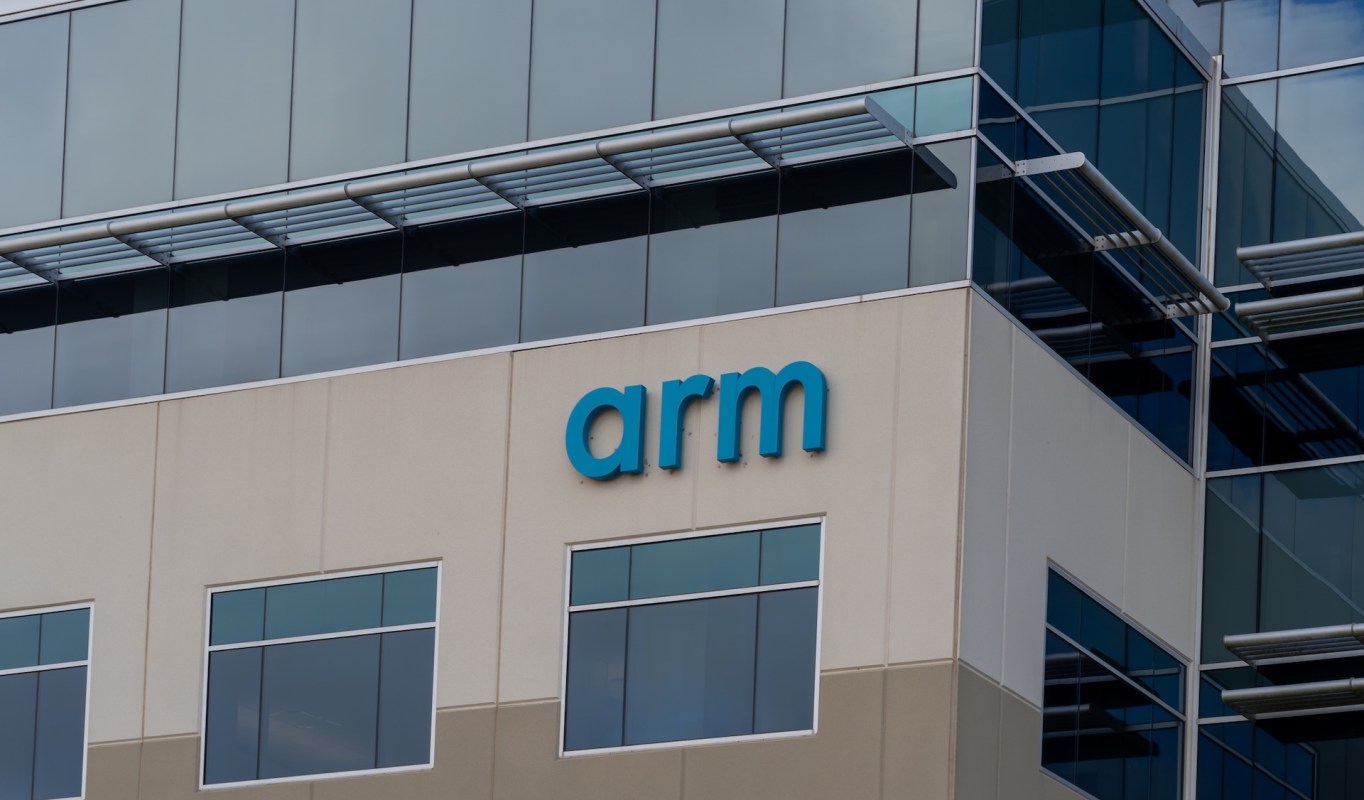
British chip designer Arm is asking shareholders to weigh an unusually large compensation proposal for CEO Rene Haas, with the maximum value of $800 million attracting backlash.
The dispute is shaping up as a test of how much investors are willing to tolerate massive executive compensation, especially at a company that remains far from the valuation needed to unlock the full award.
Here's what to know
The proposed grant is a one-off stock incentive for Haas, and its full value depends on Arm's hitting a $2 trillion market capitalization by March 31, 2031. On the way to that endpoint, the company would already have crossed into territory no U.K. business has reached before, becoming Britain's first trillion-dollar company.
Ahead of Wednesday's shareholder vote, both ISS and Glass Lewis recommended opposition to the plan, as Tom's Hardware reported.
Arm structured the award around 425,000 performance share units, with separate hurdles at $1 trillion by March 31, 2029, $1.5 trillion by March 31, 2030, and $2 trillion by March 31, 2031. Whether those marks are met would be determined by averaging Arm's closing share price over any 60-day period before each cutoff.
In Glass Lewis' view, the possible payout to Haas is "excessive." ISS said such arrangements are unusual in the United Kingdom and warned that they can produce large rewards without improvement in company results.
TCD Picks » Quince Spotlight
💡These best-sellers from Quince deliver affordable, sustainable luxury for all




More background
That gap looks especially large when set against Arm's scale. The company's market value is $264 billion, far below the first target built into the award.
Arm defended the design by pointing to the market for senior talent in American technology companies. Though the chip designer is headquartered in Cambridge and trades on Nasdaq, Haas works from California, and the company said it is using U.S. pay norms because of "the location of our key competitors for executive and other talent."
Pay is not the only governance issue drawing scrutiny. ISS also recommended votes against retaining Haas and Arm chairman Masayoshi Son, saying the board lacks independence. Arm's filings show SoftBank held about 86.4% of the business as of May 21, giving the Japanese conglomerate enormous influence over shareholder decisions.
What's being done?
Shareholders will vote on the proposal, even though SoftBank's controlling stake makes rejection unlikely without its support. Proxy advisers are using that process to publicly pressure Arm and signal broader concerns about compensation practices that could spread further.
Vesting would be spread out over years. If the $1 trillion, $1.5 trillion, or $2 trillion milestones are achieved, the related shares would not become available until April 1 of 2031, 2032, and 2033, and Haas would have to still be employed by Arm at those times. Missing an early goal would not kill the award since those tranches can carry forward if a later target is met.
Arm is framing the award as part of a larger push into artificial intelligence infrastructure. Arm unveiled its Arm AGI CPU in March as it expanded from licensing processor designs into designing production silicon.
Where can I learn more?
Arm's pay fight centers on a familiar question: How much leeway should investors give a powerful company when governance concerns stack up?
The same kind of scrutiny is showing up elsewhere, with critics questioning whether executive incentives, climate promises, and big strategic bets hold up against real-world results.
• Global banks kept massively increasing their incomes through fossil-fuel financing while climate promises drew scrutiny.
• Inditex, Zara's parent, drew criticism after a concerning operational change raised pollution.
• Ikea and a Bezos-backed group launched a $4.2 billion project for next-gen energy in Africa.
Each of these stories points to the same pressure point, as credibility gets tested when companies make big promises or defend controversial decisions. That's part of why Arm's compensation proposal is getting so much attention.

Get TCD's free newsletters for easy tips, smart advice, and a chance to earn $5,000 toward home upgrades. To see more stories like this one, change your Google preferences here.






