


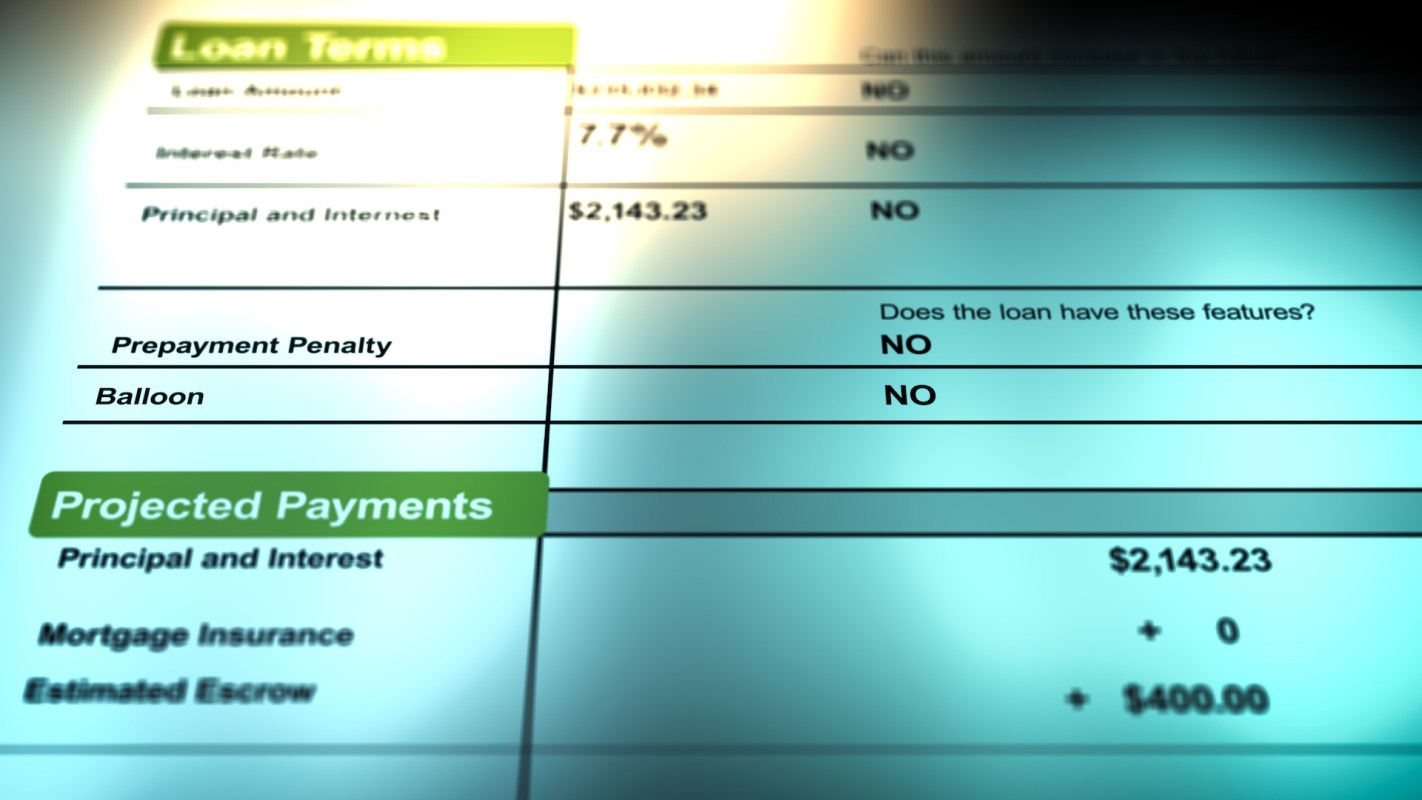
Lower upfront mortgage costs can make an adjustable-rate loan look appealing to homebuyers trying to fit a purchase into their budget, but it's a costly risk 150,000 homeowners will soon learn the hard way as they reach their first reset in 2026. The median rate could jump from 3% to 6.06%, increasing the median monthly payment by $1,080.
Here's what to know
Realtor.com reported that ICE Mortgage Technology's estimates show a sizable pipeline of first-time adjustable-rate mortgage (ARM) resets with another 186,000 in 2027, and 155,000 more in 2028.
Borrowers are turning back to ARMs as fixed mortgage costs remain high. Realtor.com said ARMs accounted for 10.3% of mortgage applications in late September — up from 7% and the highest share since October 2025. On October 15, the average 30-year fixed rate was 7.4%, while Bankrate reported national average APRs of 6.57% for a 5/1 ARM and 6.95% for a 10/1 ARM.
While ARMs generally start with lower rates than fixed mortgages, once the initial term ends — often after five, seven, or 10 years — the rate climbs higher and higher.
More background
For example, ICE data cited by Realtor.com shows that a borrower with a seven-year ARM from 2019 who started at 3% and still has about $548,000 unpaid when the first adjustment arrives in 2026 could end up with a median rate of 6.06%, adding to their monthly payment.
A buyer who instead took out a 30-year fixed mortgage in 2019 at that year's average 3.94% rate, according to Freddie Mac data, would owe $3,093.70 per month over the next seven years using the same home price assumptions. That is nearly $600 less per month than the ARM borrower would pay.
TCD Picks » Quince Spotlight
💡These best-sellers from Quince deliver affordable, sustainable luxury for all




Realtor.com's analysis puts the fixed-rate borrower's total paid over that stretch at roughly $259,786.77, which is almost $50,000 less than the ARM borrower would pay. It also says the fixed-rate borrower would pay down principal faster, reaching 2033 with a $439,952.52 balance — about $12,341 less than the ARM borrower.
What can be done?
The analysis says the outcome depends on when the first reset happens, the unpaid balance at that time, and the caps that determine how much the rate is allowed to rise.
A higher payment is not guaranteed for every ARM borrower. ICE found that some three-year ARMs from 2023 may reset lower, moving from a median starting rate of 8.38% to a projected 7.71% with about $136,000 still unpaid.
In that case, Realtor.com's analysis says the monthly payment would fall by $124, or $4,464 over the next 36 months. It also projects an additional $5,063.34 paid toward principal, leaving a remaining balance of $130,936.66 by 2029.

Get TCD's free newsletters for easy tips, smart advice, and a chance to earn $5,000 toward home upgrades. To see more stories like this one, change your Google preferences here.






