


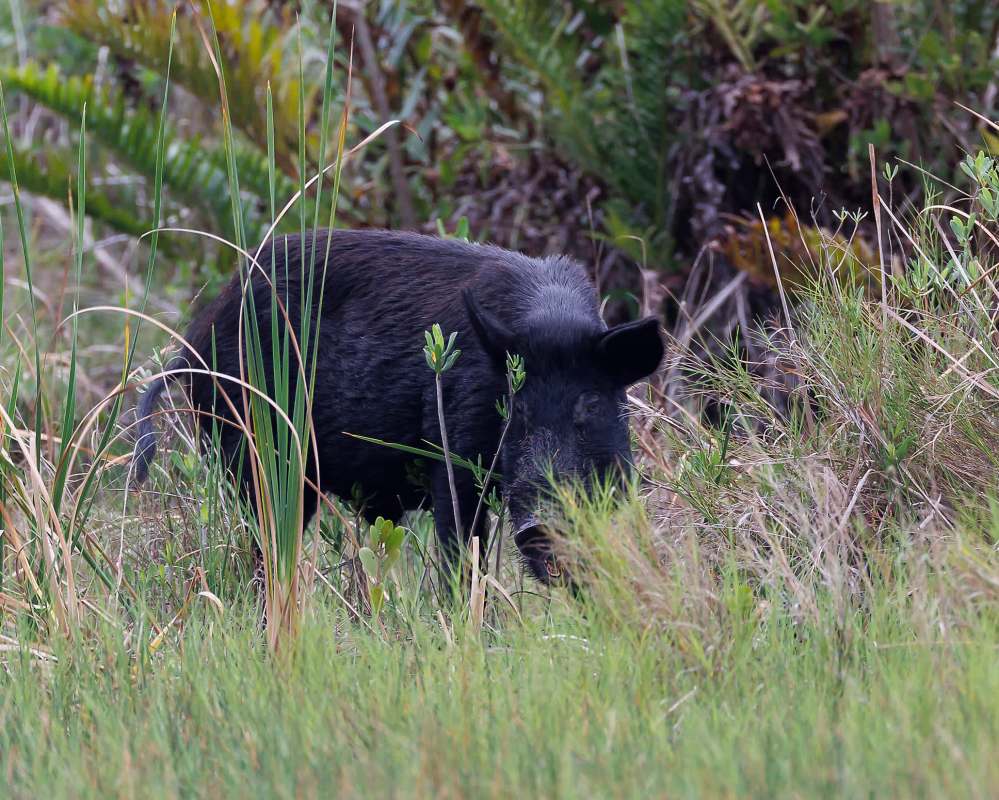
A new set of Arkansas rules could add warfarin-based toxic bait to the state's feral hog control toolbox, as KTLO reported.
The implementation might be a little ways off. The outlet noted that no such poison may be sold or used in the Natural State yet.
What happened?
Effective June 29, a rule approved by the Arkansas Legislative Council placed warfarin products meant for feral hog control into a new Class J pesticide category, KTLO reported.
The change only set up a regulatory framework, the station said. A bait product would still have to be registered with the Arkansas State Plant Board before anyone could use it, and the Arkansas Department of Agriculture said none has made it through that process.
Any future product would be distributed under tight limits. Only licensed restricted-use pesticide dealers could sell it, and buyers would need commercial, noncommercial, or private applicator licenses, KTLO said. Manufacturer-provided training would also be mandatory.
The state adopted geographic and seasonal restrictions as well, per the outlet. Use would not be allowed in counties that have had black bear harvests from hunters since 2023. In all other counties, the bait could be applied only from Dec. 1 to March 31.
TCD Picks » Quince Spotlight
💡These best-sellers from Quince deliver affordable, sustainable luxury for all




Why does it matter?
The state is pursuing another control option because feral hogs inflict large losses, KTLO pointed out. According to the Arkansas Game and Fish Commission, the animals cause $30-41 million in damage each year to crops, pastureland, wildlife habitat, and livestock operations.
The destruction can extend beyond farms and ranches. When producers absorb heavy losses, food production costs can rise, land can become less productive, and rural communities and others can face economic strain.
At the same time, the prospect of toxic bait has raised concerns, as KTLO reported. Public comments highlighted exposure risks for wildlife, scavengers, water sources, and even people who hunt or eat feral hogs.
What's being done?
State regulators established safeguards before any product reaches the market. Along with licensing and training requirements, the station said applicators would need to keep records for two years to document when and where the bait was used as well as product details and the licensed applicator's name.
KTLO noted dealers would also be required to maintain sales and licensing records, adding another layer of oversight. The state Department of Agriculture said the restrictions and product-label requirements would reduce the risk of direct exposure and secondary poisoning.
Arkansas is also not relying on poison alone. By 2024, the state's Feral Swine Control Project had removed more than 13,000 hogs across roughly 500,000 acres in 12 counties. KTLO also said a separate cost-share trapping program had removed another 6,693 hogs in 52 counties.
The new pesticide rules leave hunting and trapping law unchanged, and feral hogs can still be trapped or killed year-round on private property by landowners or others with the landowner's permission, KTLO reported.
For now, Arkansas has created only a legal pathway, not a green light. Any use of warfarin bait would come later, and only if a product clears state registration requirements and meets the restrictions intended to limit risk.

Get TCD's free newsletters for easy tips, smart advice, and a chance to earn $5,000 toward home upgrades. To see more stories like this one, change your Google preferences here.






