


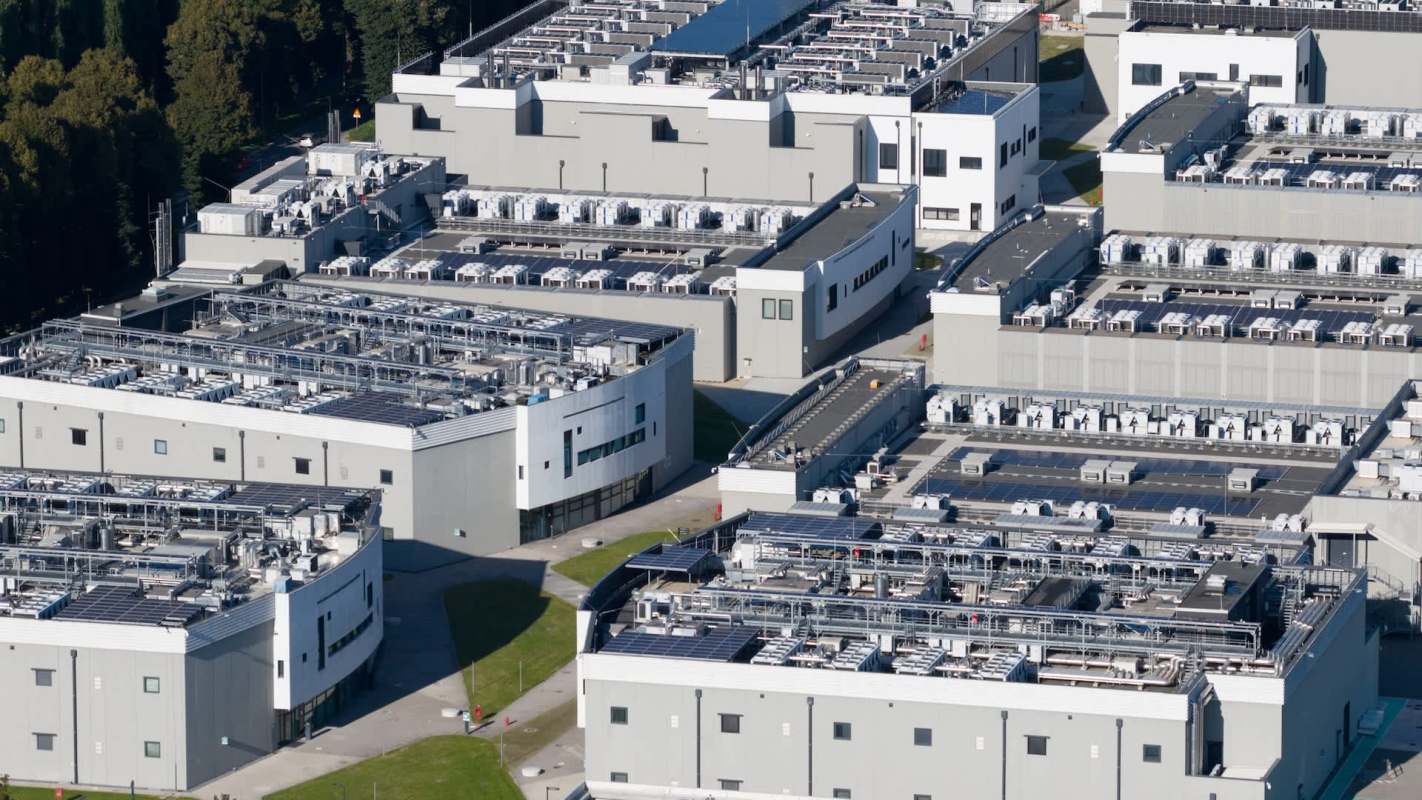
Arizona Attorney General Kris Mayes called for a statewide halt on new data center approvals, arguing that the state cannot keep adding power-hungry, water-intensive facilities as residents already face rising utility bills, tight water supplies, and hot neighborhoods.
The proposal puts a growing community concern at the center of a rapidly expanding industry: whether the benefits of more digital infrastructure are worth the strain these facilities place on the people living nearby, KTAR reported.
Here's what to know
Mayes wants state lawmakers and Gov. Katie Hobbs to back legislation to freeze new data center approvals while Arizona develops a broader plan for how the industry should expand.
Citing high energy bills and a nearly 30% reduction in Arizona's Colorado River water allocation by the Department of the Interior, Mayes indicated the state needs a bigger response than the three-year moratorium Hobbs signed in June on tax incentives for data centers, KTAR noted.
She is seeking a statewide pause on both the approval and construction of new projects.
"The only sane thing to do is to pause the approval of new data centers. Data centers are power- and water-intensive, and Arizona is challenged on both fronts right now," Mayes stated, per KTAR.
TCD Picks » Quince Spotlight
💡These best-sellers from Quince deliver affordable, sustainable luxury for all




She also noted that electric rate increases were due in part to infrastructure built for data centers, raising concerns that additional facilities could put more pressure on the grid and drive household power bills even higher.
More background
Researchers at Arizona State University found that downwind neighborhoods near data centers can experience air temperature rises of up to 4 degrees Fahrenheit.
Mayes framed the fight as part of Arizona's broader water challenge, highlighting ongoing drought and overuse that continue to strain the Colorado River system along with objections to groundwater from La Paz County being sent to the Phoenix area, according to KTAR.
A statewide pause is likely to draw criticism from those who say data centers are economic development projects that can bring construction jobs and business investment.
What's being done?
Mayes wants the halt in place while Arizona works out a plan for managing the industry's power and water demands.
She is set to host an Oct. 14 town hall in Ahwatukee, as KTAR reported, where residents can weigh in on concerns tied to Menlo Digital's planned hyperscale data center project.
"Arizona may be one of the most exposed states in the country to the negative impacts of excessive data center development," Mayes stated, per the outlet. "The Colorado River is in serious distress, and Wall Street firms are seeking to ship La Paz County's groundwater to Phoenix to fuel the Valley's growth — against the wishes of the county's residents and leaders.
"We owe it to our communities, homeowners, and future generations of Arizonans to better manage our water and power needs before any new data center approvals are issued."
Where can I learn more?
Arizona's debate is part of a wider argument over whether data centers should be placed in areas already besieged by water worries, rising electric bills, and concerns about what these projects mean for nearby neighborhoods.
Similar fights are playing out from neighboring New Mexico to the Midwest, with residents and officials calling for moratoriums, bans, and reviews.
• In Socorro County, New Mexico, officials moved to halt data centers as water fears intensified.
• In Dayton, Ohio, leaders acted to ban data centers as utility bills climbed.
• Across the country, communities are demanding moratoriums and scrutiny as political backlash grows.
• In Ohio townships, residents slammed the brakes on new data centers.
• In Indiana, counties are curbing data centers as resistance spreads.
These fights make clear that Arizona isn't alone in asking whether digital growth is moving faster than local water and power systems can handle.
They also show how neighborhood pushback can turn into policy when people work together.

Get TCD's free newsletters for easy tips, smart advice, and a chance to earn $5,000 toward home upgrades. To see more stories like this one, change your Google preferences here.






