


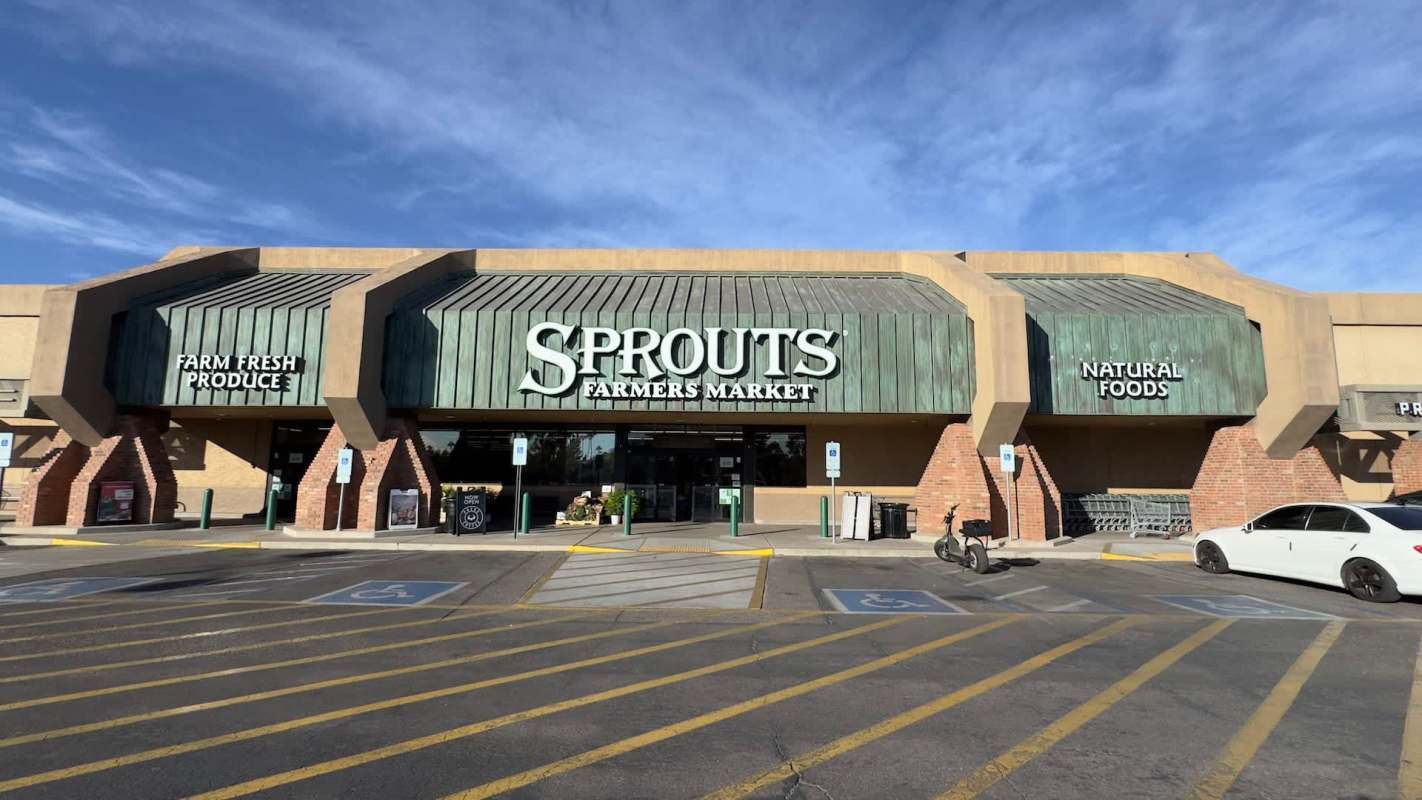
In November, Arizona will decide whether cities must get voter approval before raising grocery taxes — a ballot measure officials say could curb local public services.
Here's what to know
Per Arizona Mirror, Proposition 316 would require cities with grocery tax rates at or below 2% to secure voter approval before adding a grocery tax or raising one in the future.
Local leaders say the vote could determine whether cities can continue funding essentials such as fire trucks, wastewater systems, road repairs, and other everyday services families rely on.
Since 2023, Republican lawmakers have promoted versions of the proposal as part of a cost-of-living message. One earlier attempt would have eliminated grocery taxes entirely, but Governor Katie Hobbs vetoed it after city officials pushed back.
Local officials say their lobbying helped turn the proposal into a compromise, and Chandler Mayor Kevin Hartke, president of the League of Arizona Cities and Towns, said, "The original conversation for years has been to entirely remove this. Lobbying multiple times with other mayors, this seemed (like) something that can accomplish the state's goals concerning food taxes as well as the cities' goals concerning protecting a revenue source. It was kind of an uneasy win-win."
More background
Local officials say their biggest concern is that the measure could make it harder for communities — especially smaller or rural ones — to stay flexible when budgets get tighter.
TCD Picks » Quince Spotlight
💡These best-sellers from Quince deliver affordable, sustainable luxury for all




Some of the highest grocery tax rates are in smaller communities. Taylor taxes groceries at 3%, while Bisbee's rate is 3.5%; Mayor Ken Budge said that generates about $700,000 a year in a city budget of roughly $9 million.
Budge said Bisbee uses that revenue for infrastructure upgrades and its wastewater treatment system, and he said the tax also shifts part of the burden to visitors. "Having taxes that are paid by people that are outside of our area helps us out a lot," he said. "That's one reason we use that, versus putting everything on the local individual."
Officials in Page also warned that limiting dependable local revenue could make the city more reliant on other income sources. Spokesman Adam Geller said, "Both rental and grocery taxes are stable, resident-generated revenue. As those options narrow, the city relies more on tourism-driven collections, which declined in FY26: hotel and lodging tax fell 7.4% and amusement tax fell 15.4%."
What's being done?
As living costs continue to climb, Prop. 316 could give shoppers added protection.
Some argue it strips decision-making power from local communities most familiar with their own needs, particularly when emergencies or major infrastructure projects arise.
"Why should the state be able to tell local governments and their residents how much and how they are willing to be taxed to support their town?" Budge said in an emailed statement. "Let these decisions be made by the people that are affected, not by state representatives trying to make one size fit all municipalities."
Where can I learn more?
These stories explore similar debates over taxes, fees, and local rules that can affect checkout costs and how retailers do business.
• In Richmond, officials weighed a plastic bag tax as small businesses braced for higher costs.
• In Illinois, lawmakers considered a bag fee change that could reshape grocery checkout habits.
• In Oregon, officials moved to prohibit plastic grocery bags statewide, frustrating some shoppers.
• In Florida, a lawmaker pushed new restrictions on service ware at restaurants and stores.

Get TCD's free newsletters for easy tips, smart advice, and a chance to earn $5,000 toward home upgrades. To see more stories like this one, change your Google preferences here.






