


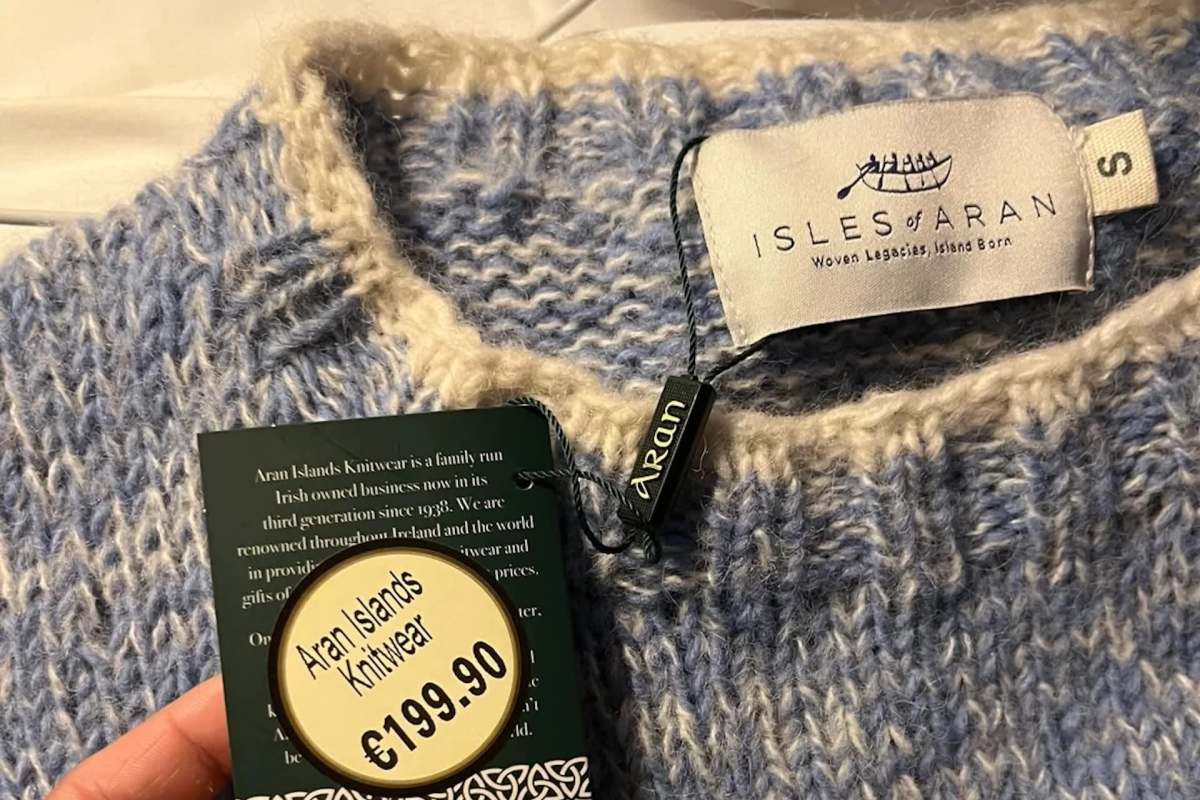
A traveler thought they were paying extra for an authentic Aran sweater on Ireland's Inishmore island. Instead, they later realized the knitwear they bought had been retagged and marked up.
Their concern is raising a bigger question for shoppers everywhere about how to distinguish between a meaningful local purchase and a tourist-friendly story.
Here's what to know
According to the Reddit post, the receipt listed the seller as Aran Islands Woolens, and the sweater seemed to be presented as an Irish hand-knit piece.
The traveler said that after a closer look at the tags and an online search, they found what appeared to be the same sweater on Pachamama Knitwear's website, listed for roughly half the price of the one they bought near the Dún Aonghasa visitor center.
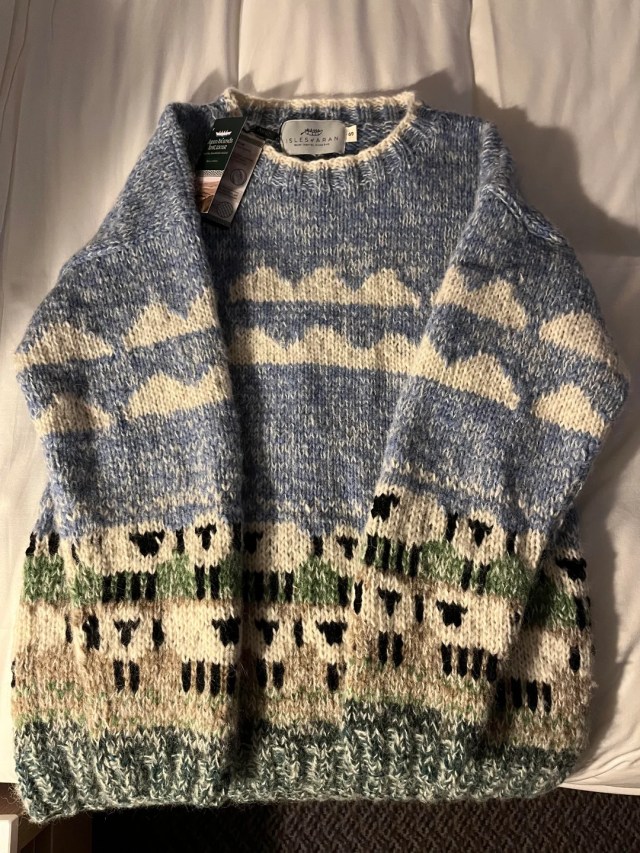
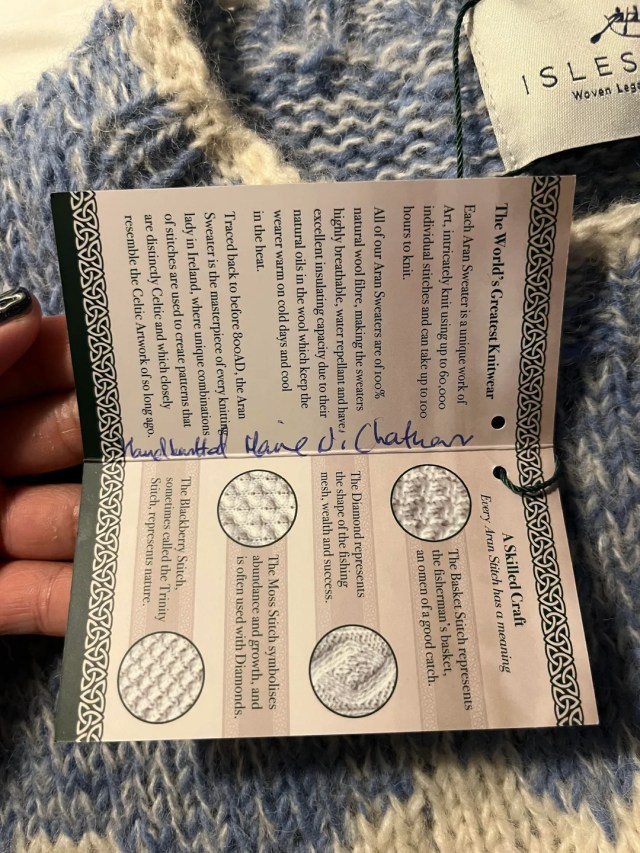
The poster wrote that the piece "had been retagged to be marketed as a hand-knit, Irish item even though it's actually made in Nepal."
Later, the traveler said they contacted Aran Islands Knitwear and Isles of Aran, and both told them the sweater wasn't theirs. They added that Isles of Aran then contacted Aran Islands Woolens, which allegedly responded that it had "sewed in the wrong tag"—"a dodgy response," the traveler wrote.
TCD Picks » Quince Spotlight
💡These best-sellers from Quince deliver affordable, sustainable luxury for all




The original poster said the discovery left them "bummed out," even though they still cherished the memories tied to buying it.
Several replies focused on what the traveler could do next. One commenter who said they used to live in Ireland wrote, "You are entitled to a refund, repair, or a replacement if the product is faulty, not as described, or not fit for purpose."
More background
One commenter broadened the complaint beyond a single purchase, writing, "customers aren't the only victim. Brands like this hurt real local artisans and ethical companies too. It's much harder to sell products for what they are really worth when unethical companies are lying and underselling artisan brands."
That concern can carry extra weight in places where tourism and heritage goods are closely linked. Another commenter identifying themselves as Irish urged action, adding, "Our tourism industry is important to us economically and culturally, and (apart from a sociopathic minority) we don't want our visitors leaving with a bad taste of the place. The people who did this clearly can't feel shame... so then they should feel the law."
Another commenter drew attention to the labeling, pointing to what they saw as a discrepancy between the Pachamama listing and the tag on the sweater. They told the OP, "Make sure you mention that the Pachamama sweater is 5% nylon, and the tag on the piece you bought claims '100% natural wool fibre.'"
What can be done?
For shoppers trying to vet similar purchases, commenters suggested checking basics such as fiber content, country of origin, and whether a brand clearly says who makes its products and where.
They also recommended seeking a refund if the item was not as described and filing a complaint with the Advertising Standards Authority.
The traveler wrote, "do some extensive research when it comes to ethical wear."
Where can I learn more?
These articles dig into the same mix of holding brands accountable and consumer frustration. They cover everything from inaccurate clothing labels, inflated prices, and manipulative branding.
• A clothing company faced backlash after misleading shoppers about vegan silk and what its garments contained.
• In Australia, shoppers found Christopher Esber charging luxury prices for polyester clothing marketed as premium.
• Customers accused Meshki of being scammed by cheap fabrics despite steep prices and branding.

Get TCD's free newsletters for easy tips, smart advice, and a chance to earn $5,000 toward home upgrades. To see more stories like this one, change your Google preferences here.






