


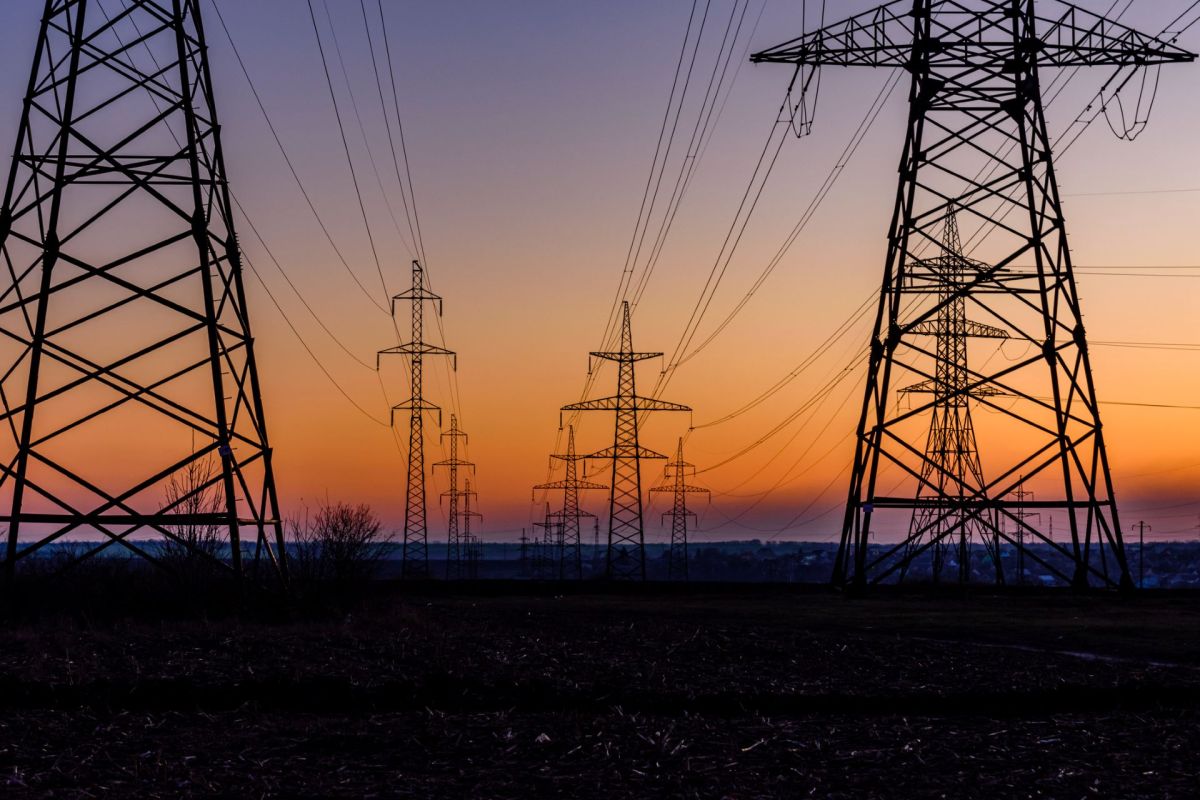
Virginia residents living near Lynchburg and Smith Mountain Lake can share their thoughts on Appalachian Power's proposed 30-mile transmission line rebuild before construction plans move forward.
Appalachian Power said it wants feedback on this transmission line rebuild intended to improve reliability in the area and help limit outages.
Here's what to know
As WSET reported, Appalachian Power has not yet decided on the final path for the Opossum Creek-Smith Mountain Transmission Line Rebuild Project. The proposal would replace aging transmission infrastructure between Opossum Creek in Lynchburg and Smith Mountain Lake.
Jessica Lemons, an AEP spokesperson, told WSET the overhaul is intended to modernize decades-old equipment and better match the system to current needs.
"This line was built decades ago. So, back then the supply, demand and the materials at hand were not what they are today, so we are going to be rebuilding this line back to modern steel equipment. This would provide better reliability to the landowners and to the community," Lemons said.
She also emphasized how there could be potential benefits to the community.
TCD Picks » Quince Spotlight
💡These best-sellers from Quince deliver affordable, sustainable luxury for all




"This would be able to support new businesses coming to the area. This would support less outages, maintenance from our crews, cutting time on how long it takes them to restore outages. So all good impacts for the community and providing reliable power," Lemons added.
If the project moves forward, Appalachian Power expects construction to begin in spring 2028 and wrap up in late 2029. The company plans to identify a proposed route later in 2026 and file its application with the Virginia State Corporation Commission.
People who want to weigh in can attend a public meeting from 5:30 to 7:30 p.m. on Sept. 17 at Yellow Branch Elementary School, 377 Dennis Riddle Dr. in Rustburg. Feedback can also be submitted by calling Appalachian Power or by mail through Oct. 2.
More background
Transmission lines are important for the electric grid because they carry power across long distances so homes, schools, hospitals, and businesses can keep operating. When aging equipment fails, outages can last longer and restoration can become more difficult, especially as electricity demand rises.
What's being done?
Appalachian Power is still collecting public input before deciding on the final route. According to Lemons, the project shouldn't significantly affect people's power bills.
Where can I learn more?
These stories look at gas infrastructure spending, coal plant costs, a Montana climate lawsuit, and U.S. power generation trends.
• In Massachusetts, utilities poured $100 million into gas lines after 10 communities went fossil fuel free.
• In West Virginia, coal plants impact consumers with long-running costs that keep burdening ratepayers.
• Across the U.S., keeping old coal plants alive is costing ratepayers hundreds of millions.
• In Montana, officials are trying to overturn young activists' monumental win on state environmental policies.
• Nationally, clean solar and wind produced more electricity than coal.

Get TCD's free newsletters for easy tips, smart advice, and a chance to earn $5,000 toward home upgrades. To see more stories like this one, change your Google preferences here.






