


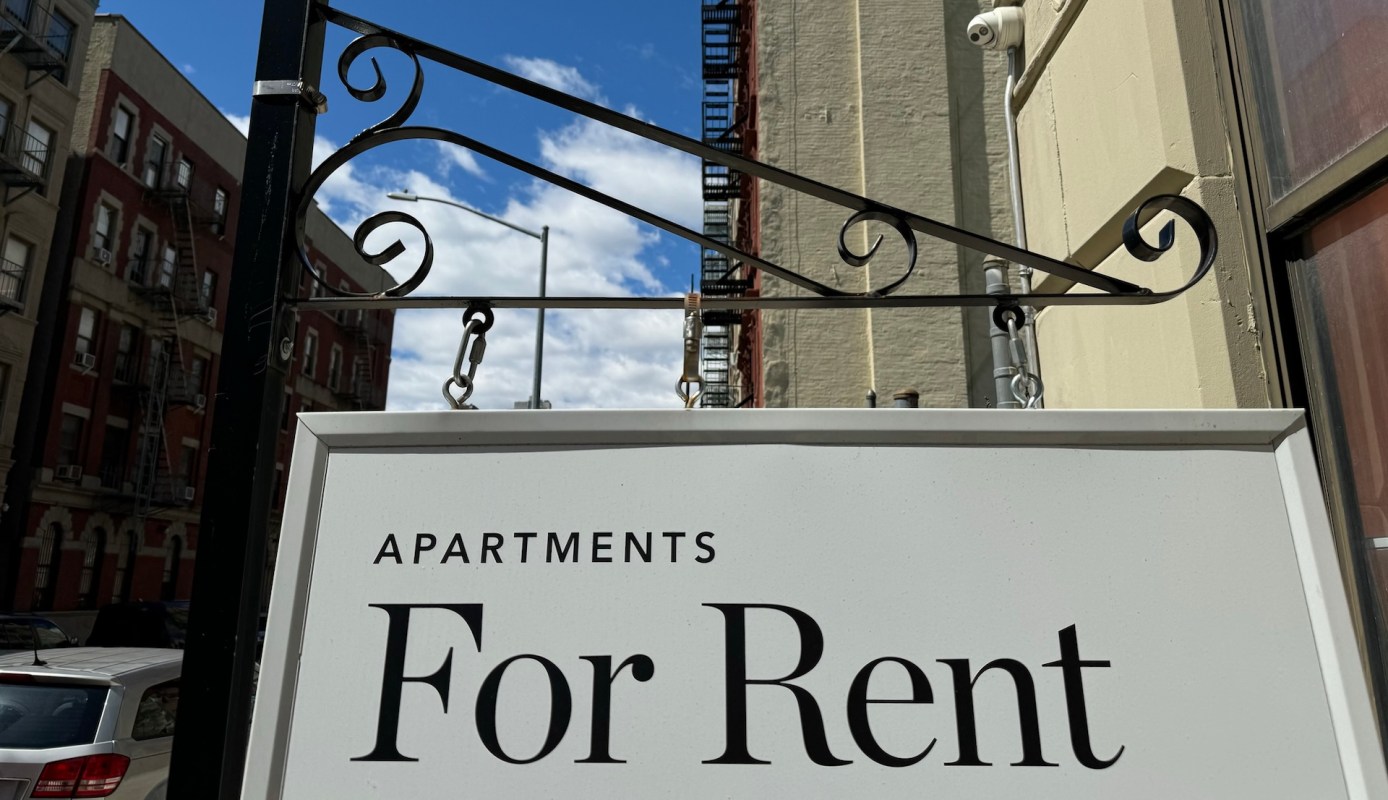
For many U.S. renters, the advertised apartment price is only the starting point, not the final bill.
In a recent interview, reporters described how a major apartment operator in the United States has made a wide array of add-on charges commonplace, including boiler-related fees and DNA testing for dogs.
What happened?
Speaking with "Oregon On The Record," national reporter Tracie McMillan outlined her reporting on Greystar — the largest owner-manager of apartments in the U.S., with roughly 1.1 million units nationwide — according to KLCC.
Among the charges McMillan found were pet rent and deposits, boiler upkeep, stormwater drainage, shared-space utility fees, and a pet-service add-on called "poop prints" that uses DNA testing to identify dog waste. Altogether, she said, Greystar listings and lease documents across the country contained 125 distinct fee names.
Of course, on the flip side, many tenants would appreciate efforts to stop neighbors from leaving dog waste for others to step in, making it one of the more understandable provisions — yet at the same time, it would require technology that requires a somewhat unsettling level of oversight to pull off.
McMillan said some leases include "five, seven, nine, 11 mandatory fees on top of the rent." She argued this has happened as landlords and property managers have increasingly "pulled out costs that used to be included in the rent and turn them into separate fees that they pack on top of it," adding pressure for renters who are already financially stretched.
TCD Picks » Quince Spotlight
💡These best-sellers from Quince deliver affordable, sustainable luxury for all




Why does it matter?
Because recurring fees are layered on afterward, an apartment that appears affordable online may cost much more in reality. McMillan said some utility charges can still be left out of the advertised monthly total, and Greystar pointed her to a company blog post listing water, sewer, and electricity at up to $247 a month.
The full price may not be clear before a renter signs. In her reporting, McMillan said she examined leases "as long as 101 pages" that included as many as 33 different documents within the body of the lease. "Most leases I saw had between two and three dozen different fees listed," she said.
One example McMillan highlighted was Jaslyn Cosey, a customer service worker in Las Vegas whose disability payments began arriving on a different schedule. Because the company credited her money toward fees before rent, she was left short on rent and faced the possibility of eviction. In McMillan's words, "effectively, tenants can't dispute a fee."
What are people saying?
According to McMillan, technology is part of what enables this system by making it simple to spread small charges across enormous property portfolios. For a company managing that many units, even a small monthly fee can become a meaningful revenue stream.
McMillan argued that disclosure alone is not much of a safeguard for renters. "The full transparency model is actually really disempowering," McMillan said, noting that people often fixate on the advertised base rent even as additional charges continue to pile up.
Michael Dunne, the show's host, described the reporting as a "kind of infuriating piece" about expenses that can push people from stable housing into financial distress.

Get TCD's free newsletters for easy tips, smart advice, and a chance to earn $5,000 toward home upgrades. To see more stories like this one, change your Google preferences here.






