


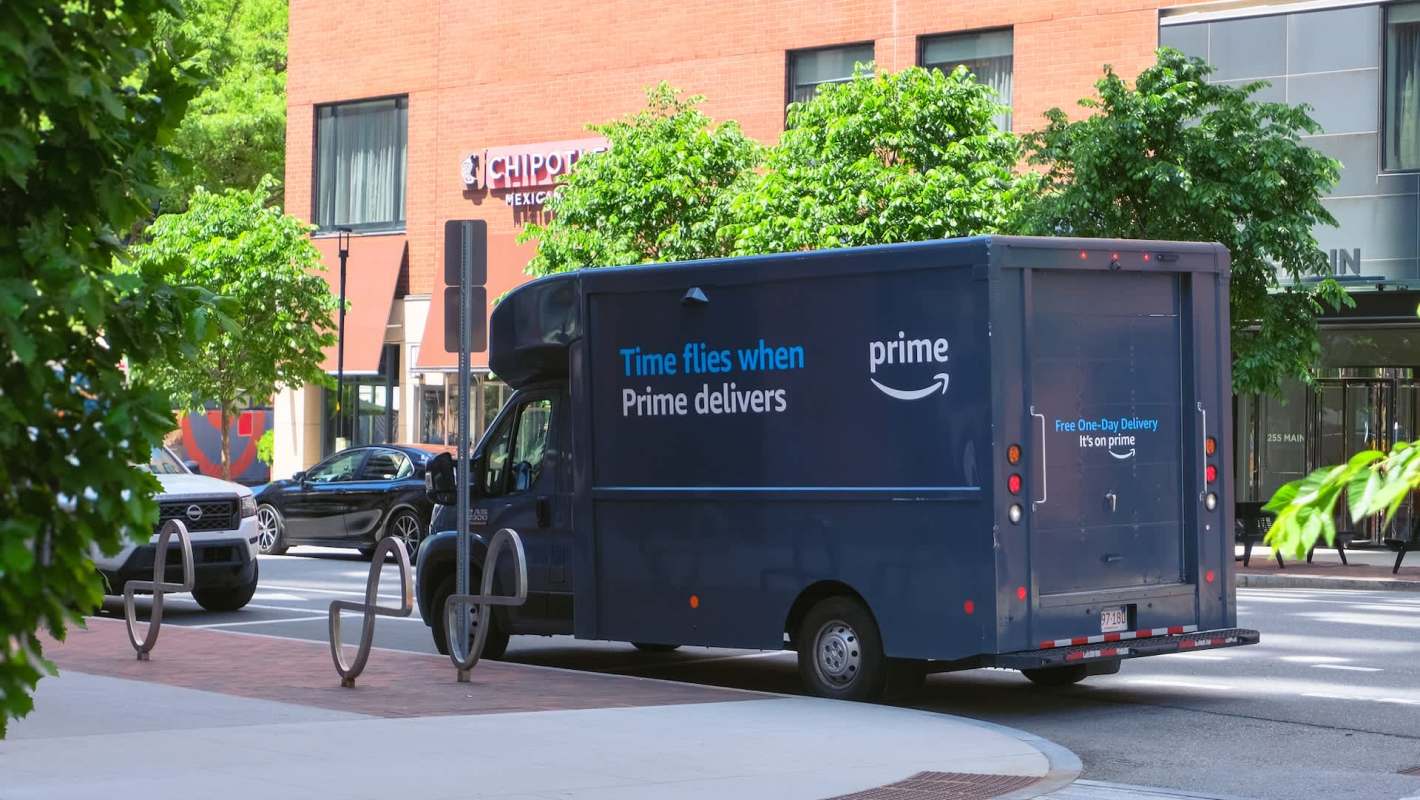
A settlement in Washington, D.C., centers on allegations that Amazon billed tens of thousands of residents the full Prime price while slowing down their deliveries, Popville reported.
The attorney general's office says the issue was concentrated in two ZIP codes east of the Anacostia River, where customers paid the same membership rates as other residents but were not told why their orders were arriving later.
Here's what to know
D.C. Attorney General Brian L. Schwalb announced that Amazon will provide $8.25 million in refunds and penalties to resolve claims that Prime members in ZIP codes 20019 and 20020 were misled about their delivery service.
The District will receive $1 million in penalties, and the remaining $7.25 million will be returned to affected customers.
OAG says the change began in June 2022, when Amazon chose, for purported safety reasons, to stop using its own Amazon-branded delivery operation in those two ZIP codes. Packages there were instead routed through outside carriers, including UPS and the Postal Service, which the office said tend to run slower than Amazon's own network.
Even so, residents kept paying the standard Prime rate ($14.99 a month or $139 annually, a price in place since 2022), and the attorney general's office said about 69,000 members in those ZIP codes received slower service on a subscription built around fast shipping.
TCD Picks » Quince Spotlight
💡These best-sellers from Quince deliver affordable, sustainable luxury for all




Schwalb said, "Amazon deceived thousands of its customers who live East of the River, collecting their Prime membership fees while secretly excluding them from full Prime membership benefits. Now, we're putting more than $7 million back in the pockets of people who were taken advantage of."
More background
Filed in 2024, the lawsuit accused Amazon of violating D.C.'s Consumer Protection Procedures Act by overstating Prime's shipping benefits and hiding why deliveries were taking longer.
In OAG's view, companies may adjust how they operate, but they still must disclose when those decisions will reduce service quality so people can make informed buying choices.
When a subscription promises one level of service but quietly provides less, customers may continue paying for benefits they are no longer actually receiving.
OAG contends the disparity affected residents in Ward 7 and Ward 8, who were billed the same Prime fee as other members despite getting different service because of where they lived.
The attorney general's office said the exclusions lasted four years before Amazon ended them in April 2026.
What's being done?
Customers in the affected ZIP codes who qualify for relief are expected to recover nearly half of what they paid in membership fees during the exclusion period, and the attorney general's office said they will be notified about both eligibility and refund amounts.
The settlement also sets notice requirements going forward: if Amazon excludes any D.C. home ZIP code from its own delivery service for claimed safety reasons, it must tell current customers, disclose that to new members during signup, and notify the Office of the Attorney General.
Anyone who lived in ZIP codes 20019 or 20020 during the exclusion period should watch for refund notices and report suspected deceptive business practices to OAG's Office of Consumer Protection if a company charges for benefits it does not clearly provide.
As Schwalb said, "No company is above the law, no matter how big or powerful. My office will always fight to make sure businesses compete on a level playing field and treat their customers fairly so that DC residents get what they pay for, regardless of what zip code they live in."
Where can I learn more?
The D.C. settlement is one of several disputes involving how Amazon markets Prime, prices products, and runs parts of its delivery business. Related coverage looks at lawsuits over Prime Day pricing and product promotion, along with changes in packaging, delivery fleets, and product marketing claims.
• Amazon faces a Prime Day fake-discounts lawsuit alleging shoppers paid inflated sale prices.
• In the UK, lawsuits over alleged market manipulation are challenging Amazon's sales tactics.
• Amazon Basics drew a lawsuit over allegedly deceptive claims on toilet paper and paper towels.
• In Spain, Amazon introduced new delivery bags meant to reduce packaging's environmental impact.
• Amazon's Rivian spending topped $1 billion as it expanded its electric delivery van fleet.

Get TCD's free newsletters for easy tips, smart advice, and a chance to earn $5,000 toward home upgrades. To see more stories like this one, change your Google preferences here.






