


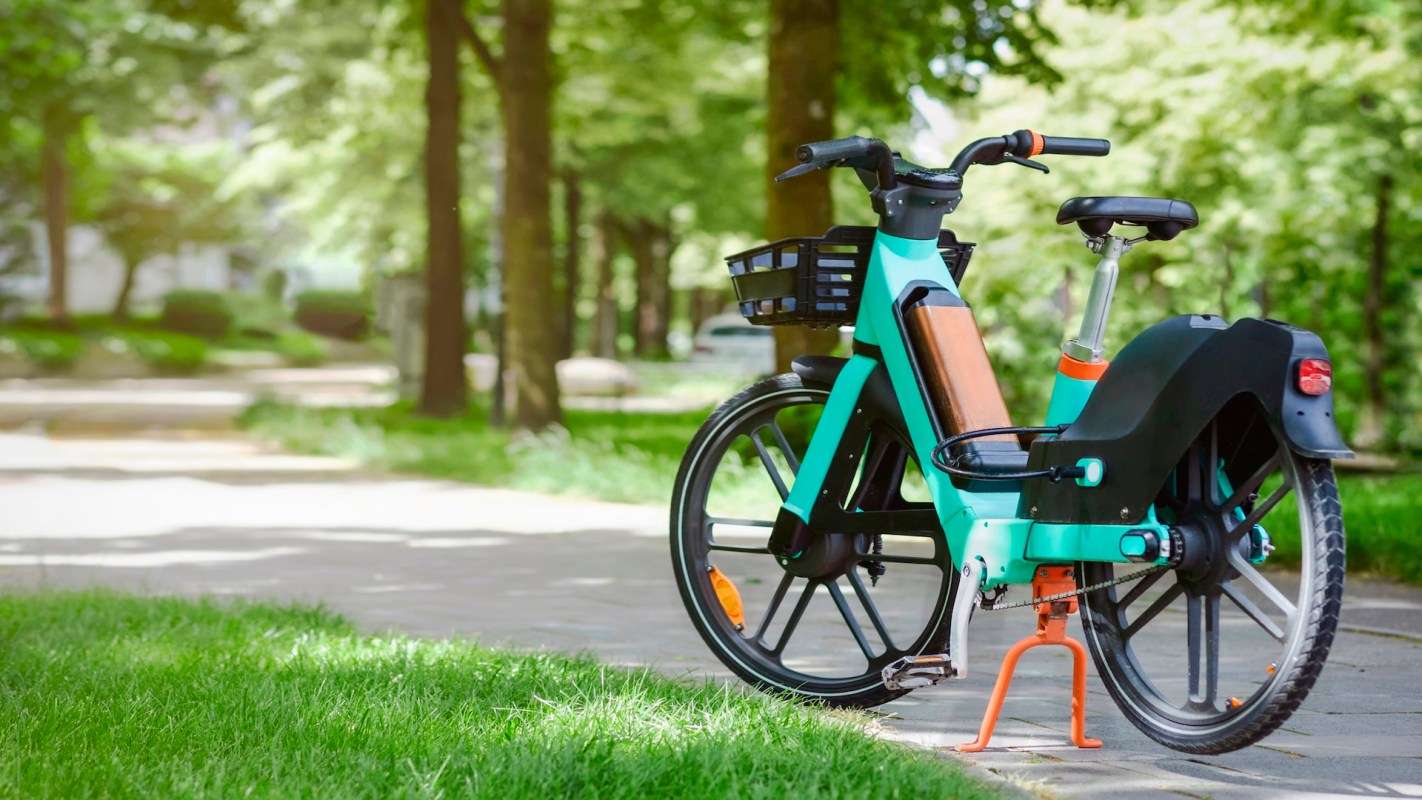
One Amazon shopper said that after buying a bike marked down from $1,600 to $300, the red flags started to pile up.
Here's what to know
In a Reddit post to r/ebikes, the shopper said, "I purchased this e bike from Amazon because I checked the price history and it went down from 1600 to 300, I know this is 'too good to believe,' but on the listing it said that it was from the official e bike seller, but it hasn't shipped and it says it's arriving by Tuesday. This was suspicious so I checked my order and the seller was someone completely different."
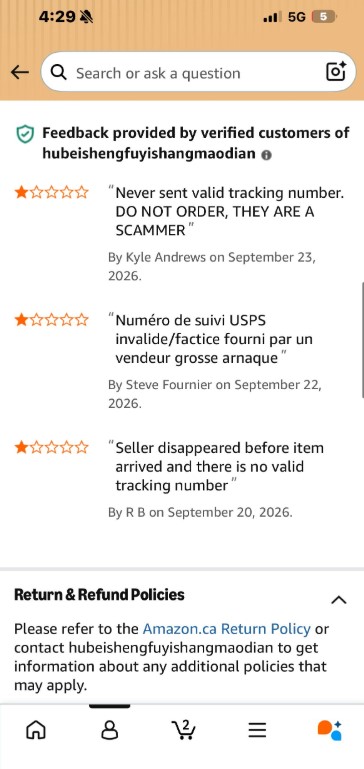
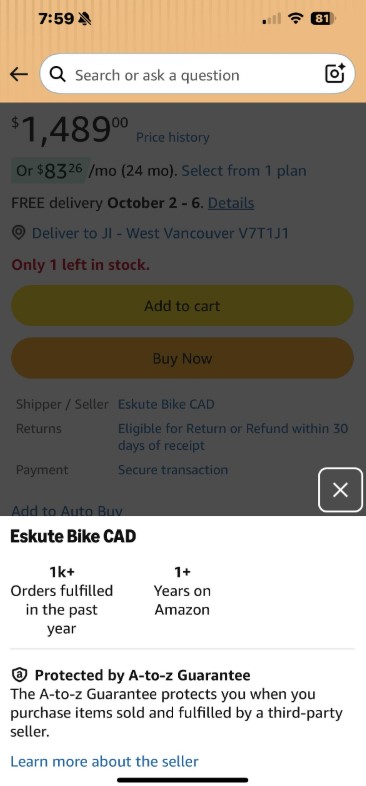
Several replies focused on which seller had actually been chosen. One commenter wrote, "You selected hubeishengfuyishangmaodian not eskute," while another responded, "You purchased it through Amazon. Not from." Those comments suggest the order may have gone through a third-party marketplace seller rather than the brand the buyer expected.
The conversation also pointed to a larger issue with marketplace listings that place multiple sellers on the same product page. One commenter said a similar Amazon bike deal that seemed "too good to be true" ended with a lengthy refund process and took "two months to get money back."
More background
E-bikes have become an increasingly attractive option for people looking to save money on commuting, errands, and short car trips. But that growing demand also creates opportunities for bad actors to take advantage of bargain-hunting shoppers through misleading listings or seller-switch tactics.
One commenter in the thread offered a theory about how scam sellers can end up prominently placed on Amazon, writing that "AI can be used to force their shop system to the top of the list and default the option to them."
TCD Picks » Quince Spotlight
💡These best-sellers from Quince deliver affordable, sustainable luxury for all




What can be done?
A massive markdown should be a cue to slow down, and shoppers should verify the seller name more than once before completing a purchase — on the product page, again at checkout, and in the final order summary.
Buyers can also reduce risk by purchasing directly from an e-bike brand's website or from established local bike shops, especially for higher-priced items that may require assembly help, warranty support, or service after delivery.
Saving screenshots, contacting customer service through official channels, and closely monitoring refund windows can all help protect buyers.
"It's not necessarily your fault, it's kind of a niche scam, but it is something that happens," one commenter wrote.
"Thank you this was a really nice messages," the OP replied. "I don't understand the people coming here to just tell me I'm stupid and it's on me."
Where can I learn more?
These other Amazon-related stories show how confusing listings and product claims can leave shoppers feeling misled.
• Amazon shoppers said counterfeit or mislabeled products made the marketplace feel impossible to trust.
• Amazon faced a class action after allegedly deceptive claims appeared on Amazon Basics toilet paper.
• In Spain, reports said solar farms purportedly owned by Amazon were not what they seemed.

Get TCD's free newsletters for easy tips, smart advice, and a chance to earn $5,000 toward home upgrades. To see more stories like this one, change your Google preferences here.






