


Online social casinos have drawn scrutiny after attempting to bypass gambling laws by using virtual currencies, leading to major lawsuits.
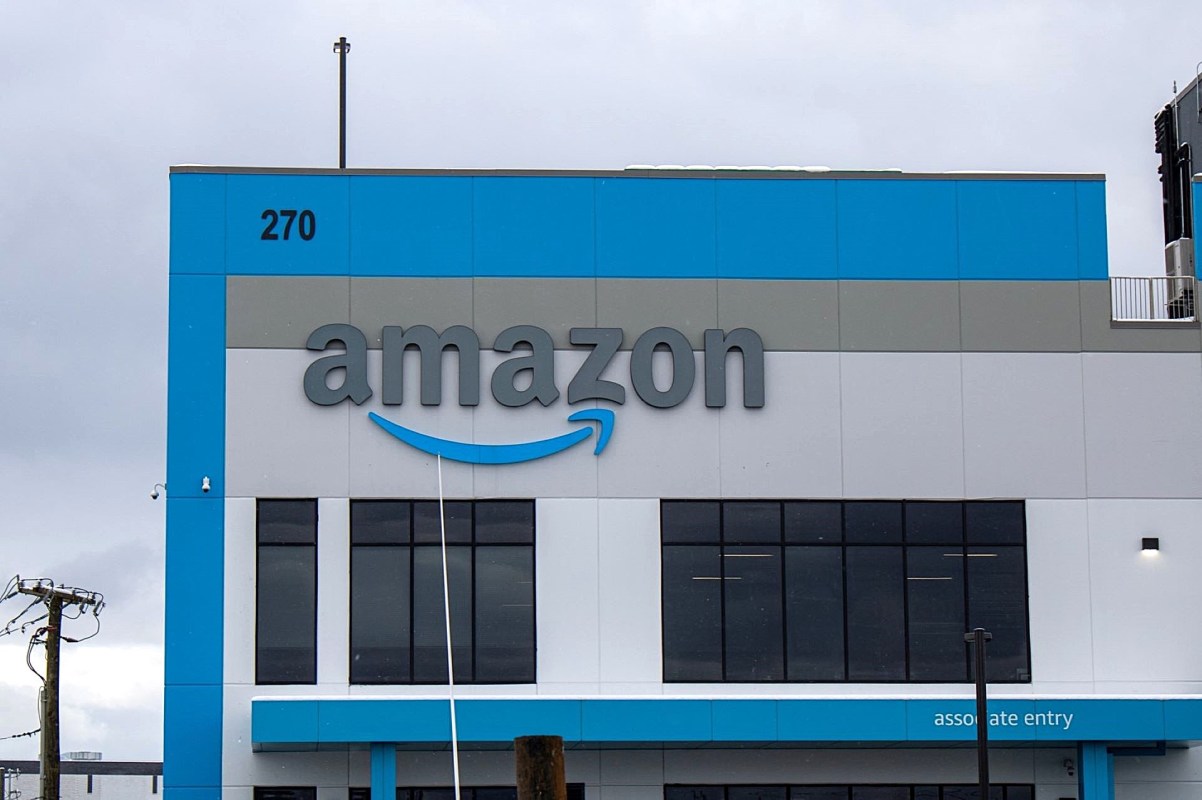
According to Reuters, Amazon has agreed to a proposed $201 million judgment over social casino apps sold in its app store, but the companies behind those apps may ultimately be asked to cover the costs.
The case is drawing attention to a business model that critics say can turn virtual gambling into a very real financial burden for everyday users.
What happened?
The filing in Washington state lays out a proposed class-action settlement that would allow consumers to seek more than $200 million from developers whose social casino apps were offered through Amazon's app store.
Amazon said it did nothing wrong, but it still agreed to the proposed judgment, which is still awaiting a judge's final approval.
Under the arrangement described by Reuters, Amazon would not contribute money to a settlement fund. If the deal is approved, the plaintiffs would instead seek to recover funds from the developers of the social casino apps.
TCD Picks » Quince Spotlight
💡These best-sellers from Quince deliver affordable, sustainable luxury for all




At issue are apps that let users buy gold coins through in-app purchases and use them to play online slots and table games.
Plaintiffs allege that this setup violated Washington gambling laws and the state's Consumer Protection Act, even though players cannot cash out any winnings.
The proposed $201 million judgment is equal to about 30% of what plaintiffs said they spent on the apps.
The dispute is part of a broader wave of social gaming litigation, which also includes related class-action lawsuits against Google, Apple, and Meta.
Why does it matter?
Even when the rewards are virtual, the money people spend is not.
Social casino apps may seem less like gambling at first because there is no traditional cash payout.
The addiction-fueling games are built around frequent in-app purchases, rapid-fire reward loops, and pressure to keep playing after losses.
Small purchases can add up quickly, and consumers may not realize how much they have spent until much later.
The case also suggests that regulators and consumers are paying closer attention to app-based business models operating in legal gray areas while still generating significant revenue.
What's being done?
If the Washington judge approves the settlement, consumers would be able to seek compensation from the app developers rather than from Amazon directly.
Comparable class-action cases against Google, Apple, and Meta also focus on the platforms that distribute and make money from these games.
Baltimore also filed a lawsuit against social casino operators in March.
The proposed judgment still does not yet settle the debate over who should pay when app-based gambling leads to real financial losses.

Get TCD's free newsletters for easy tips, smart advice, and a chance to earn $5,000 toward home upgrades. To see more stories like this one, change your Google preferences here.






