


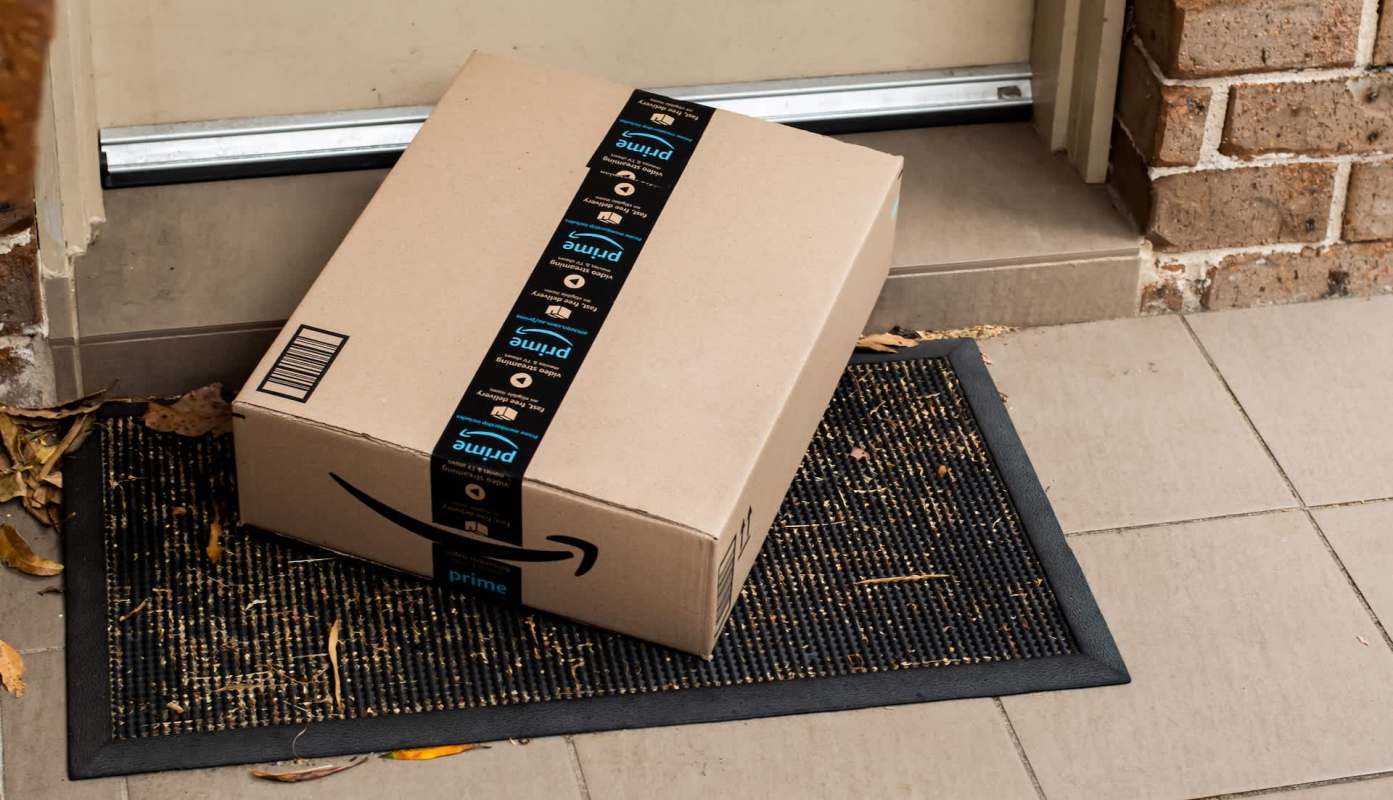
Amazon is in court over claims that it spent years increasing what sellers paid for ads on its site, with regulators arguing those extra charges may also have contributed to higher prices for shoppers.
Regulators say Amazon did not disclose the disputed tactic to the more than 1 million brands and sellers that rely on its marketplace to connect with customers.
Here's what to know
According to CBS News, the Federal Trade Commission and attorneys general in 22 states accuse Amazon of manipulating the cost of search advertising auctions on its platform. They say the alleged conduct may have imposed tens of billions of dollars in costs on customers.
The case centers on second-price auctions, a common system in which the winning bidder pays the second-highest bid. The FTC said Amazon told businesses they would owe only just above the runner-up bid for an advertising keyword.
The FTC says that in roughly 80% of auctions, winning advertisers were billed their bids instead. In the complaint, regulators say that the undisclosed pricing practice continued for seven years and raised advertising costs for sellers on Amazon.
"When one of the world's largest online retailers engages in unfair and deceptive conduct, the impact can be staggering," FTC Chairman Andrew N. Ferguson said in a statement, per CBS News.
TCD Picks » Quince Spotlight
💡These best-sellers from Quince deliver affordable, sustainable luxury for all




More background
The lawsuit says the effects did not stop with advertisers. Ferguson said the higher ad costs were "largely passed on to American consumers," meaning everyday shoppers may have paid more at checkout.
Amazon's ad platform plays a central role in how products are discovered on its marketplace, so even technical changes to that system can influence the prices consumers see on household goods, electronics, and other items.
The complaint also points to internal company discussions that regulators say show Amazon understood sellers believed the process was a genuine second-price auction. North Carolina Attorney General Jeff Jackson said the company allegedly explored how much hidden fees could be raised before advertisers caught on, according to the outlet.
Amazon has pushed back on the lawsuit, calling it "misguided." The company said average winning bids for sponsored product ads fell 50% from 2019 to 2025 and argued, "The FTC's claim fundamentally misunderstands how advertisers operate," CBS News noted.
What's being done?
New York Attorney General Letitia James said officials are asking a court to stop Amazon from continuing what she described as an "illegal scheme."
Regulators are also seeking penalties, restitution, and other damages. If they prevail, the case could force changes to how one of the world's largest online marketplaces runs its advertising system and how clearly it explains fees to sellers.
When platforms make it more expensive for sellers to compete, those costs can show up in the prices shoppers pay.
The case could test whether tech giants can be held accountable when opaque systems allegedly distort competition and shift costs onto sellers and families.
"Amazon takes great pains to actively conceal from customers the fact that it inflates its purported auction prices," the lawsuit alleges, according to CBS News.
Ferguson added, "Amazon has millions of advertising customers who were misled into paying significantly higher prices."
Where can I learn more?
The claims over hidden ad-auction fees are part of a wider set of disputes about how Amazon presents costs and other information to sellers and shoppers. Other complaints have focused on Amazon Basics marketing, solar projects in Spain, and pricing details customers see while shopping.
• Amazon also faces a class action lawsuit over allegedly deceptive Amazon Basics sustainability claims.
• In Spain, Amazon's purportedly owned solar farms drew scrutiny over alleged greenwashing.
• On Amazon, a mysterious upcharge on a product screen angered shoppers.
Disputes such as these can whittle away trust in one of the world's biggest retail platforms, especially when pricing or marketing claims are hard to parse. They also help explain why regulators keep pushing for clearer disclosures and more accountability.

Get TCD's free newsletters for easy tips, smart advice, and a chance to earn $5,000 toward home upgrades. To see more stories like this one, change your Google preferences here.






