


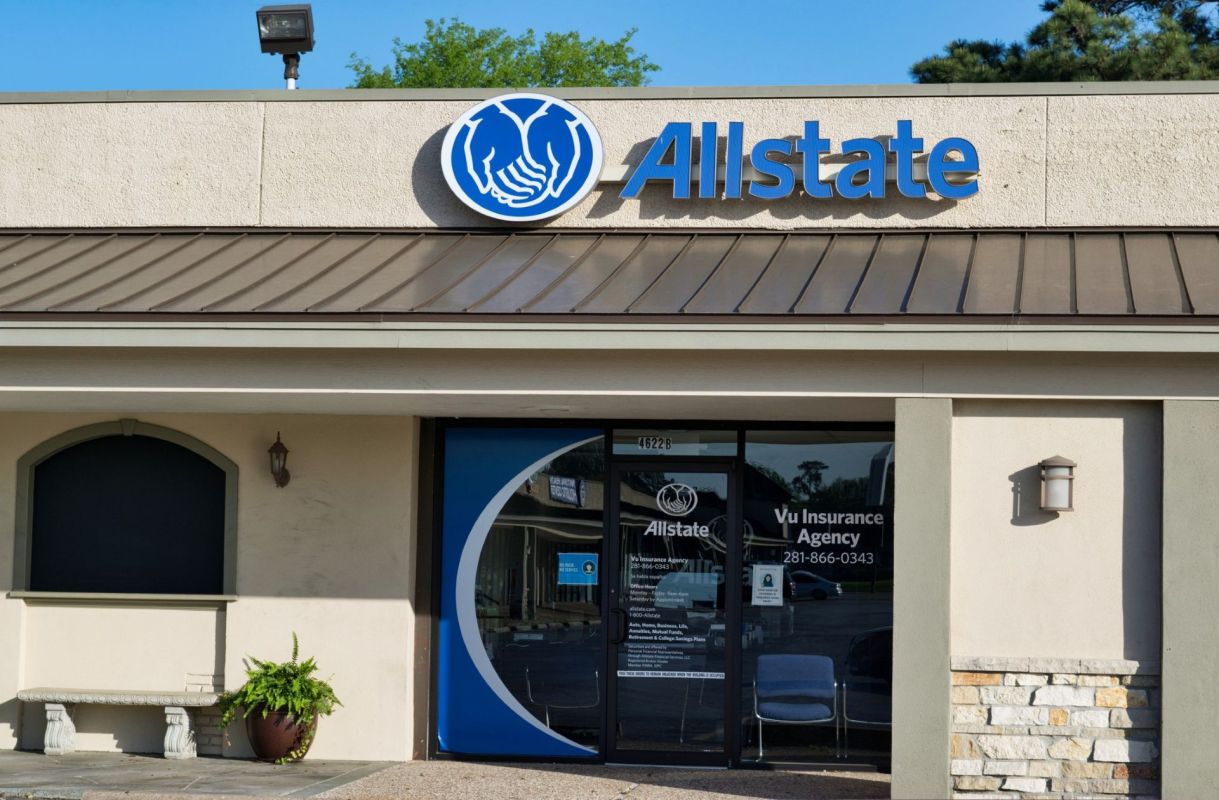
A class action lawsuit in New York alleges that Allstate Property and Casualty Insurance Company promised full rental car reimbursement after crashes involving its insured drivers, then paid less than the rates tied to the Enterprise reservations it arranged.
For people already dealing with repairs after a crash, a reimbursement gap can become an unexpectedly large out-of-pocket expense.
Here's what to know
Two drivers, Jose Arce and Daniel Jackson, allege that, after crashes involving motorists insured by Allstate Property and Casualty Insurance Company, they were placed into Enterprise rentals with the expectation that the charges would be covered, only for Allstate to reimburse less than the totals on those reservations, per Top Class Actions.
Arce says he was left $85.22 short on an eight-day Mazda CX-5 rental billed at $352.46 after Allstate paid $267.24. Meanwhile, Jackson alleges a $92.38 shortfall on a 24-day Nissan Altima rental that cost $824.73, with reimbursement of $732.35, according to Top Class Actions.
The lawsuit says neither man was insured by Allstate. Instead, they sought payment after collisions with Allstate-insured drivers and say the Enterprise vehicles were provided through reservations Allstate set up while their own cars were being repaired, per Top Class Actions.
The complaint argues that when an insurer arranges the rental and negotiates the rate, consumers should not later have to cover the difference.
TCD Picks » Quince Spotlight
💡These best-sellers from Quince deliver affordable, sustainable luxury for all




In seeking class status, Arce and Jackson want to represent a nationwide group of drivers not insured by Allstate who say they were reimbursed below a negotiated rental rate after crashes involving Allstate-insured drivers. The suit also seeks matching New York and Alabama subclasses, as reported by Top Class Actions.
If the case moves forward, it could help determine whether insurers can negotiate rental arrangements and still decline to pay the full amount tied to those bookings.
Where can I learn more?
Questions about surprise costs and misleading promises show up far beyond auto claims. Across utilities, federal programs, consumer products, and retail, these articles examine disputes over what companies or agencies said upfront and who ended up stuck with the bill.
• Oregon officials add gas utility to $50 billion heatwave lawsuit over alleged deception campaigns.
• In British Columbia, residents file lawsuit against major utility over allegedly deceptive gas marketing.
• Baltimore has filed suit against major companies, blaming plastic pollution for mounting environmental damages.

Get TCD's free newsletters for easy tips, smart advice, and a chance to earn $5,000 toward home upgrades. To see more stories like this one, change your Google preferences here.






