


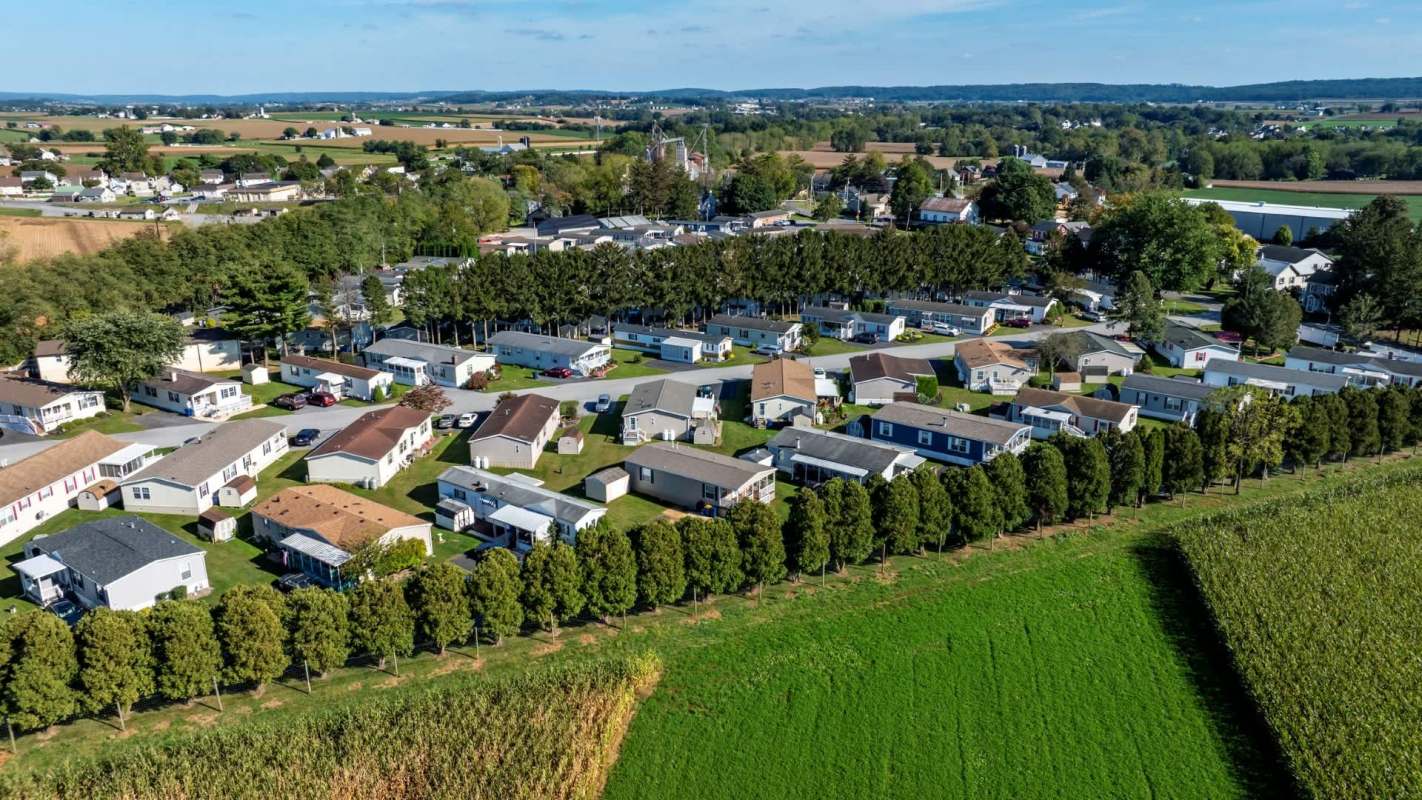
Residents of a manufactured home community in Albany, New Hampshire, have done something many renters only dream about: They bought the land beneath their homes.
That means the people of Albany Acres now have a direct say over rent increases, repairs, and the future of their neighborhood.
What happened?
After organizing themselves as a cooperative, the residents finalized a deal to buy their manufactured home community from Patrick Houghton of Ranger Properties, New Hampshire Public Radio reported. The cooperative will operate the property as a nonprofit corporation.
Sarah Marchant, chief operating officer and senior vice president of the resident-owned communities program at the New Hampshire Community Loan Fund, said this model gives residents lasting control.
"They purchase the land and infrastructure underneath their homes, and they run it as a democratic business in perpetuity afterwards," Marchant said, per NHPR.
Even when people in manufactured home communities own their homes, they often still pay to use the land beneath them, which can leave them exposed to high lot costs or abrupt decisions by the property owner.
TCD Picks » Quince Spotlight
💡These best-sellers from Quince deliver affordable, sustainable luxury for all




Under the new setup at Albany Acres, residents will choose a board of directors every year and vote on a budget for daily operations and capital improvements, NHPR reported.
Why does it matter?
For many low-income residents, housing instability can quickly become a crisis. Brad Armstrong, a resident of Albany Acres and vice president of the cooperative board, said community ownership removes the fear that a landlord could sharply raise rents or sell the property out from under them.
"Everybody down here in the park is either on Social Security or Disability or have low income," Armstrong told NHPR. "Anybody in here can't go out and get [an apartment] because everything is sky-high. They'd be homeless."
Renters and residents in landlord-controlled communities often have little power over costs or even basic quality of life decisions.
In some places, landlords have blocked money-saving lifestyle changes such as gardening or hanging clotheslines to dry laundry, preventing residents from lowering grocery or energy bills.
When residents gain a stronger voice, they can make decisions that better fit their budgets and needs rather than waiting on an outside owner whose priorities may be very different.
What's being done?
With ownership transferred, Albany Acres residents are governing the community themselves, including decisions on rents, spending, and repairs.
NHPR reported that Armstrong has lived in Albany Acres for about 13 years and says the property needs infrastructure work, including septic upgrades. To help pay for those projects, lot rent is expected to increase from $455 to $600, though the cooperative is also seeking grants to ease the cost for residents.
"We can keep the rents down [and] affordable, and we can fix up the place as we go," Armstrong said.

Get TCD's free newsletters for easy tips, smart advice, and a chance to earn $5,000 toward home upgrades. To see more stories like this one, change your Google preferences here.






