


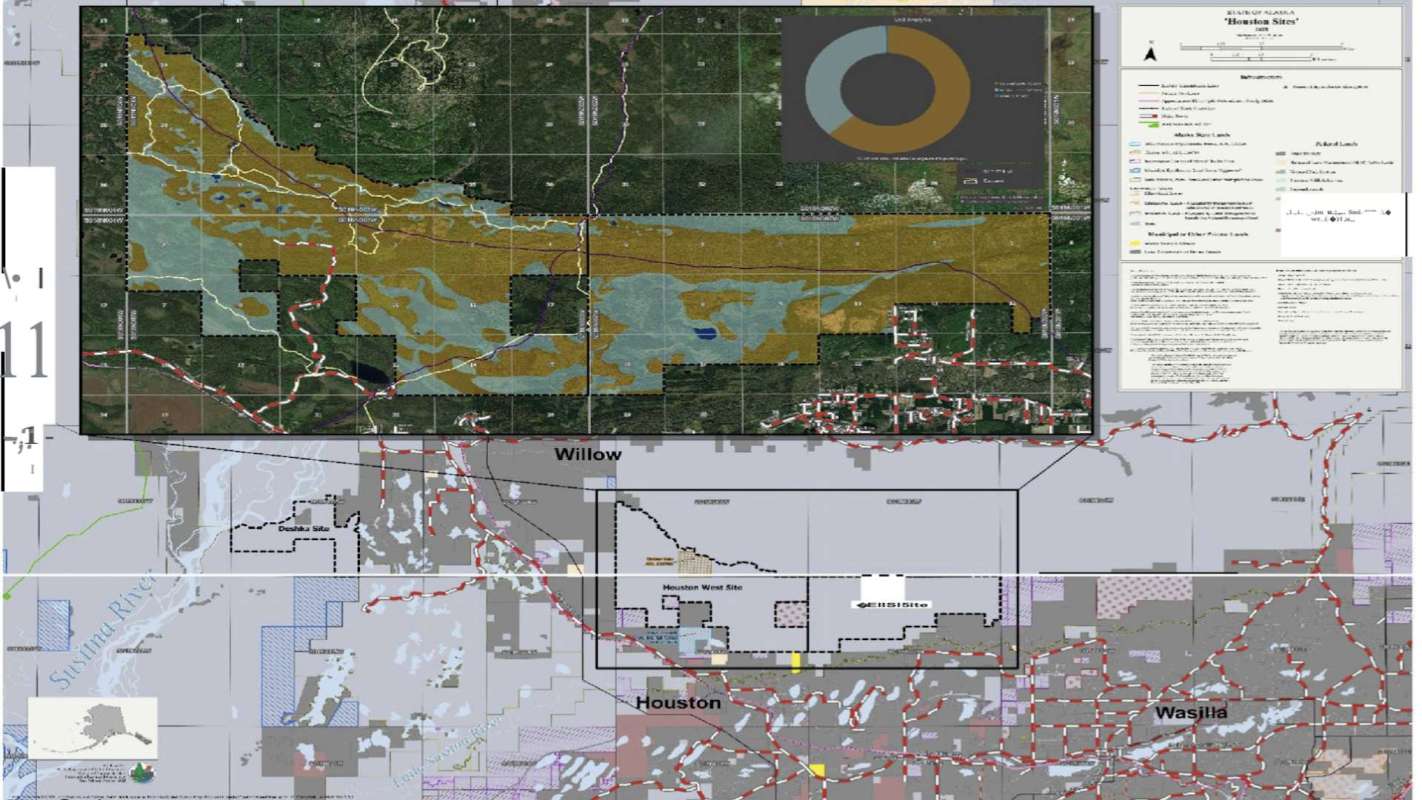
Teen activists are pushing back against a state plan to hand nearly 20,000 acres of public land near Houston, Alaska, to a development authority, warning that an industrial park and possible data center could threaten forested land, trails, and wildlife habitat.
Here's what to know
A group of teens penned a guest column in the Alaska Beacon, explaining why they oppose the initiative.
At the center of the fight is a Department of Natural Resources proposal that would shift the acreage to the Alaska Industrial Development and Export Authority (AIDEA). Teens with Alaska Youth for Environmental Action in Anchorage are urging residents and Alaska Beacon readers to object.
If approved, the transfer would place the tract under AIDEA, the state entity that backs development projects. The authority says the site is intended for another industrial park that would include roads, manufacturing pads, and a data center.
Opponents mainly disagree with the scale of the proposal and the current uses of the land. According to the teens, the land contains about 41.8 miles of trails used for running, biking, and collecting firewood, and it also provides habitat for salmon, moose, and other wildlife.
In the column, they also pointed to AIDEA's problematic track record. In a 2022 review, economists Milt Barker and Gregg Erickson said ventures backed by the authority, including an Anchorage fish processing plant, Ambler Road, and Mustang Oil, produced roughly $233.3 million in losses over 35 years.
TCD Picks » Quince Spotlight
💡These best-sellers from Quince deliver affordable, sustainable luxury for all




More background
The debate is unfolding amid a national buildout of data centers used to store information and train AI systems. Opponents argue that beyond heavy demand on utilities, the facilities can also reshape nearby land and ecosystems.
The teens argued in the column that even a midsize data center can require around 300,000 gallons of water per day and substantial electricity, putting pressure on local water supplies and power grids.
The group also cited research connecting data centers to carbon pollution and PFAS contamination. PFAS are often called "forever chemicals" because they do not readily break down in the environment.
For opponents, the proposal also raises a broader question about land use and whether public acreage should be repurposed for an industry fueled by demand elsewhere if nearby communities would absorb the environmental fallout.
What can be done?
Public comments on the proposed land transfer were accepted through Sept. 14. The teens' column urged Alaska Beacon readers to make their voices heard ahead of that deadline.
"We should not sacrifice our land, water, and communities to power an industry serving distant demands," they implored.
Where can I learn more?
The standoff in Houston reflects a much wider pattern. Communities around the country, and in other parts of Alaska, are also pushing back on projects they say could strain open space, wildlife habitat, and local resources.
• In Hood County, residents say a 7,600-acre data center boom could consume their 118-acre refuge.
• In Taylor, Texas, locals are fighting a $10 million data center planned on donated parkland.
• In Alaska, advocates sued after officials moved toward allowing drilling in protected wilderness.
• Across rural Alaska, communities say fires and declining salmon are already disrupting long-standing livelihoods.
Each of these disputes turns on the same basic question of what communities stand to lose when public land is set aside for large development projects. That's part of why opponents in Houston are urging residents to speak up before the transfer moves ahead.

Get TCD's free newsletters for easy tips, smart advice, and a chance to earn $5,000 toward home upgrades. To see more stories like this one, change your Google preferences here.






