


Travelers could soon have fewer flight options on some routes, even as demand for air travel remains strong. A sharp rise in jet fuel prices is pushing major airlines to rethink their schedules to protect profit margins already under pressure.
Here's what to know
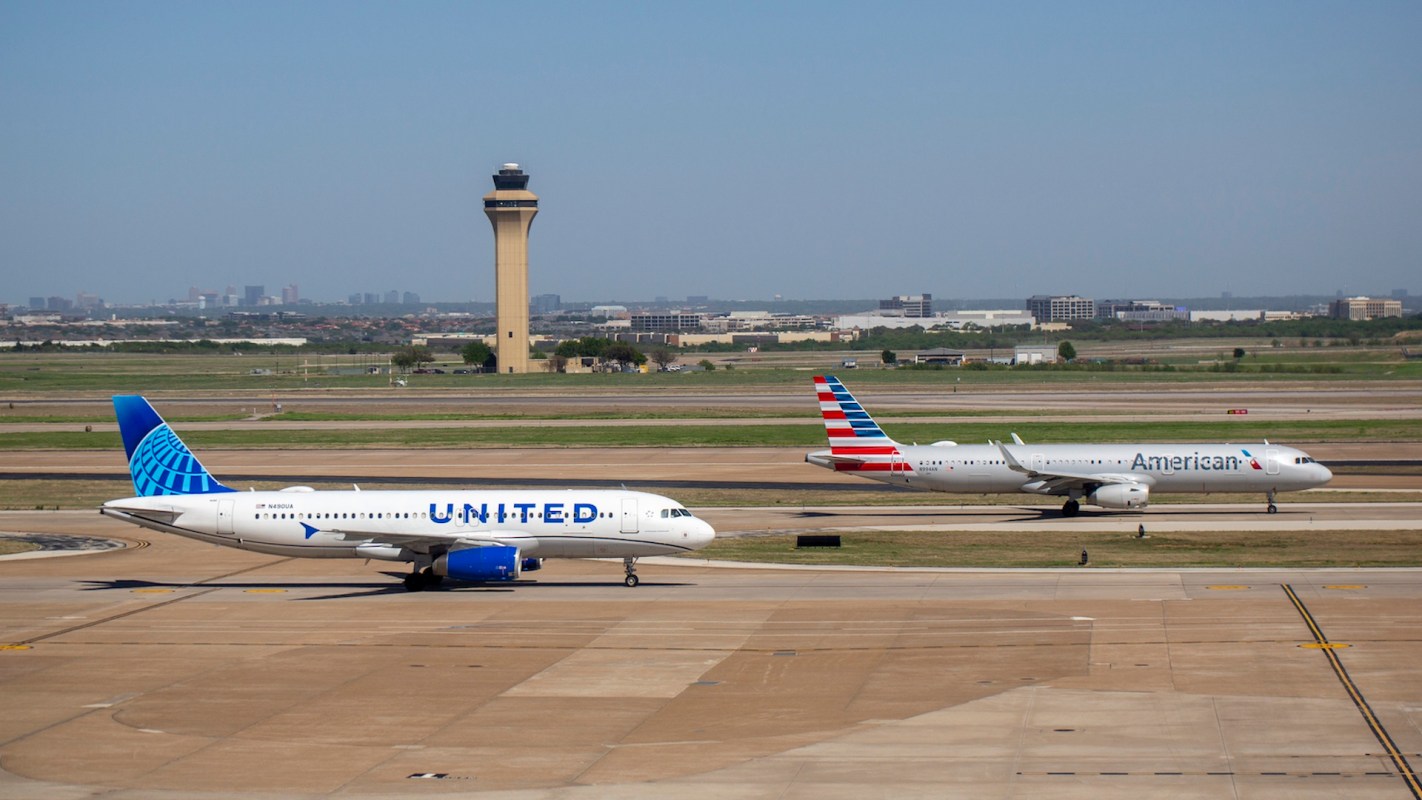
On Sept. 17, American Airlines, United Airlines, and Southwest Airlines signaled that some planned flights for late 2026 and beyond may not make the cut if fuel remains expensive.
According to USA Today, leaders at the three airlines said rising jet fuel prices are changing how they plan service, even though strong demand and higher fares have helped soften the blow.
Carriers have leaned on limited capacity and steady travel demand, but executives said the latest jump in fuel costs is prompting them to reexamine routes with weaker profits.
American Airlines CEO Robert Isom said he felt "really good" about the airline's projection that third-quarter revenue would increase 16% to 19% from a year earlier.
American Airlines Chief Financial Officer Devon May said the airline's fourth-quarter fuel price was running about $1 per gallon above what had been assumed in July, which he said adds roughly $1 billion in costs.
TCD Picks » Quince Spotlight
💡These best-sellers from Quince deliver affordable, sustainable luxury for all




United CFO Michael Leskinen said some flights planned for December are being removed, and he said more schedule changes could come in the first quarter and into 2027.
Southwest CFO Tom Doxey said the airline has already cut its planned 2026 capacity growth by about half and may trim it again if fuel prices remain high.
More background
Fewer flights on marginal routes can mean less flexibility, fewer nonstop options, and potentially higher fares in markets where airlines decide they still have enough pricing power to pass along some of their costs.
Even with premium, corporate, and economy bookings holding up, executives are making clear that strong demand does not erase the financial risk from fuel markets that can shift quickly.
What's being done?
Airlines are trimming capacity where the numbers no longer add up.
American said additional schedule adjustments are possible later in the fourth quarter, while United is taking some December flights off the schedule and weighing further moves in the first quarter and into 2027.
Rather than continue expanding at its earlier pace, Southwest is slowing those growth plans.
They also said strong fares are helping recover some of the added fuel expense.
Leskinen characterized United's fourth-quarter bookings as "tremendously strong," and Doxey said autumn revenues were coming in ahead of expectations.
As Leskinen put it: "We are not flying to maximize market share. We're flying to maximize profitability and free cash generation."
Where can I learn more?
These stories look at airline regulation in Europe, renewed fossil-fuel investment, and the health toll of oil and gas.
• In Europe, major U.S. airlines are trying to dodge accountability for harmful practices.
• Oil and gas operations are linked to asthma and premature deaths in new estimates.
• Across the U.S., keeping old coal plants alive is costing ratepayers hundreds of millions.

Get TCD's free newsletters for easy tips, smart advice, and a chance to earn $5,000 toward home upgrades. To see more stories like this one, change your Google preferences here.






