


The rise of artificial intelligence is usually discussed in terms of workplace software, web search, and smartphones. But for millions of Americans, one of its most noticeable effects may arrive as part of a routine household expense: the electric bill.
Here's what to know
Across the country, wholesale electricity prices are already estimated to be about 2% to 6% higher because of data centers, according to research cited by the Federal Reserve Bank of Dallas and reported by Fox 5 New York. The effect is greater in areas with particularly high concentrations of the facilities.
Looking ahead to 2028, the researchers modeled several paths for the rise in AI-related electricity use. Under their middle-of-the-road scenario, the cost of generating power would be 20% to 30% higher than it would be if no additional data centers were added.
Residential bills would not automatically increase by that same percentage. A household rate includes transmission, distribution, and other charges beyond wholesale power, and Dallas Fed researchers said the energy portion makes up about half of a typical retail price. They also noted that higher wholesale costs do not immediately flow through to consumers.
More background
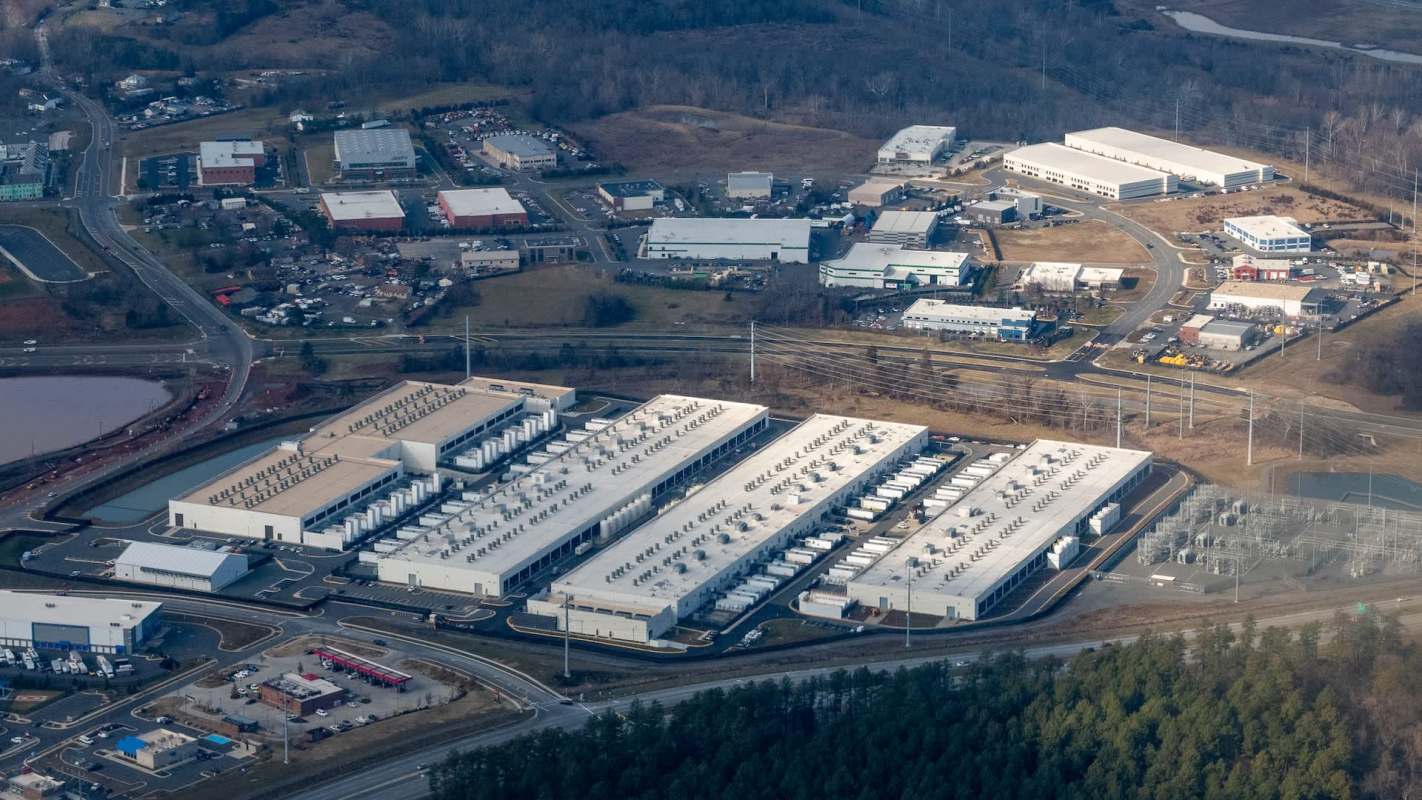
For all the talk about AI as software, its growth rests on energy-hungry hardware. Training and running these systems requires vast computing resources, and according to estimates compiled by Fed researchers, the biggest data centers can consume as much electricity as a small city, Fox 5 reported.
Families can feel those demands indirectly when the cost of grid improvements is shared across the broader base of utility customers.
TCD Picks » Quince Spotlight
💡These best-sellers from Quince deliver affordable, sustainable luxury for all




The study points to another complication: Demand from data centers is only part of the story. Projected price changes also depend on the pace of new power-plant construction and on whether transmission systems can deliver electricity to the right places. The Dallas Fed did not separate the share of the increase tied to new data-center load from the share linked to supply constraints.
In the researchers' analysis, the same amount of data-center growth becomes more costly when new wind and solar projects are built more slowly. They also found that loosening transmission bottlenecks could ease some of the strain in the regions facing the strongest pressure.
What's being done?
Lawmakers and regulators are already responding. President Donald Trump has promoted a larger U.S. AI footprint while endorsing a voluntary commitment to prevent data centers from driving up household utility costs.
States are taking different approaches. Texas Gov. Greg Abbott, a Republican, has sought to stop data center projects from connecting to the state's main power grid until they complete a comprehensive audit. In Pennsylvania, Democratic Gov. Josh Shapiro has taken steps to increase oversight of large-scale data center development, while New York Gov. Kathy Hochul has put a one-year pause on new hyperscale data centers.
The unresolved issue is how to allocate the costs of the extra power plants, substations, and transmission lines that AI's expansion may require. However virtual the technology seems, its economics are increasingly tied to the physical grid that households depend on every day.
Where can I learn more?
One way to understand what AI could mean for electric bills is to look at the issue from several angles, including rising power demand, the cost of new infrastructure, and the local resistance those projects can spark. These articles follow the friction between utilities, tech companies, and communities as AI's energy footprint grows.
• Across the U.S., data centers devour 6% of electricity as AI use accelerates.
• At Big Tech firms, the AI boom is outrunning available power and grid upgrades.
• Beyond the workplace, AI is coming for water, electricity, and local political patience.
• At the Massachusetts Institute of Technology, AI systems are optimizing renewable grids to ease transmission strain.
Read together, they make clear why AI is becoming as much an energy story as a tech story, with consequences that show up in substations, power lines, and monthly bills.

Get TCD's free newsletters for easy tips, smart advice, and a chance to earn $5,000 toward home upgrades. To see more stories like this one, change your Google preferences here.






