


One Utah homebuyer took to the internet with a question many buyers have probably asked themselves in private: Is this house actually affordable, or is it the beginning of a long financial strain?
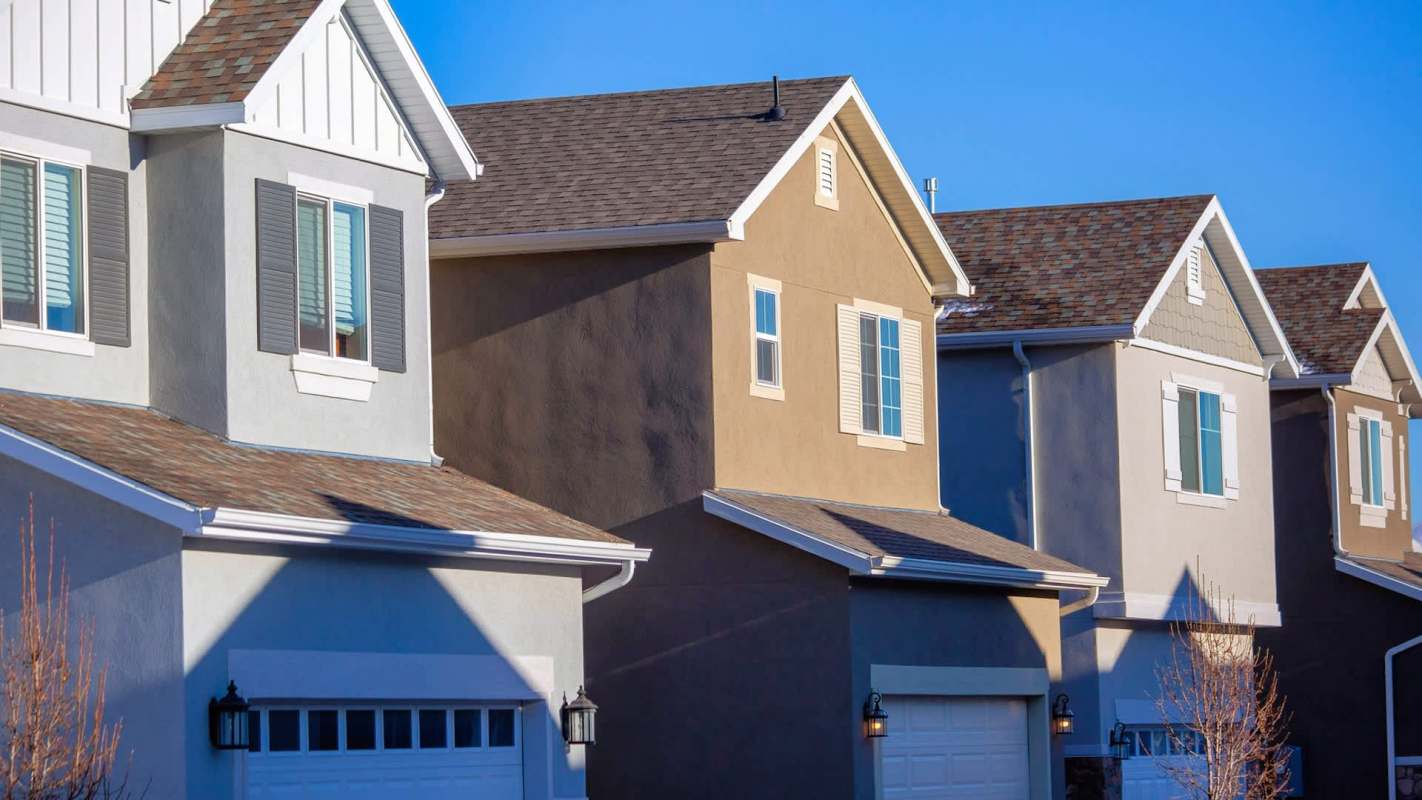
In this case, the question centered on a $455,000 Salt Lake City house. The 32-year-old buyer said the expected monthly cost for the mortgage, property taxes, and homeowners insurance was about $3,200, while their take-home pay was roughly $5,800 a month.
Here's what to know
On Reddit's r/FirstTimeHomeBuyer community, the buyer said they were under contract on the 1978 single-family house, so walking away remained possible.
The home was in a great neighborhood, and while the inspection was mostly clean, high radon levels were flagged, with mitigation expected to cost about $2,500.
Total closing expenses, including the down payment, were expected to be around $16,000, the buyer said. They also reported having about $30,000 in cash, roughly $17,000 invested in an S&P 500 fund, and around $50,000 in a 401(k).
But even before accounting for utilities, groceries, transportation, and repair costs, the housing payment would eat up more than half of the buyer's take-home pay.
TCD Picks » Quince Spotlight
💡These best-sellers from Quince deliver affordable, sustainable luxury for all




A major theme in the comment section was that mortgage calculators often fail to capture the true cost of homeownership after move-in.
"That leaves you $2,600 for everything else. You need to put money away for repairs," one commenter observed.
Others pointed to rising property taxes and insurance premiums, along with the cost of heating and cooling a home.
"In winter heating my very small house is like $300/ month where I am," someone added. "It's not unusual for people to pay $800-1000/month here for that."
Readers were especially wary of counting on help from the buyer's girlfriend, who had agreed to contribute $1,000 a month plus half of utilities. Several commenters said that kind of support should be treated as extra cushion, not the thing making the purchase workable.
Multiple commenters also focused on how thin the remaining cash buffer could be after closing costs and radon mitigation. They said an older house can still produce expensive surprises in the first year, even when the inspection looks relatively clean.
Rather than focus only on the quoted mortgage figure, commenters said the buyer should stress-test the budget using the full monthly cost of owning the home. That means adding utilities, maintenance, transportation, insurance increases, and future repairs to the math.
They also suggested looking at the purchase as if the buyer had to carry it alone. A partner's contribution can help, but if the deal only works when someone else is covering part of the bill, any change in the relationship or living arrangement becomes a serious risk.
Where can I learn more?
Cases like this often come down to the expenses buyers overlook when they zero in on the mortgage payment. Insurance premiums, property taxes, and surprise assessments can quickly change whether a number that seemed manageable on paper still holds up after move-in.
• Across the U.S., high home insurance rates are sidelining buyers before deals can close.
• Zillow found property tax and climate risk now shape how many U.S. buyers judge affordability.
• Tiny-home prices keep climbing, deepening frustration over what affordable housing means.
Affordability does not stop at principal and interest. For buyers already stretching to make a deal work, those extra monthly bills and one-off costs can turn a manageable payment into a long-term burden.

Get TCD's free newsletters for easy tips, smart advice, and a chance to earn $5,000 toward home upgrades. To see more stories like this one, change your Google preferences here.






