


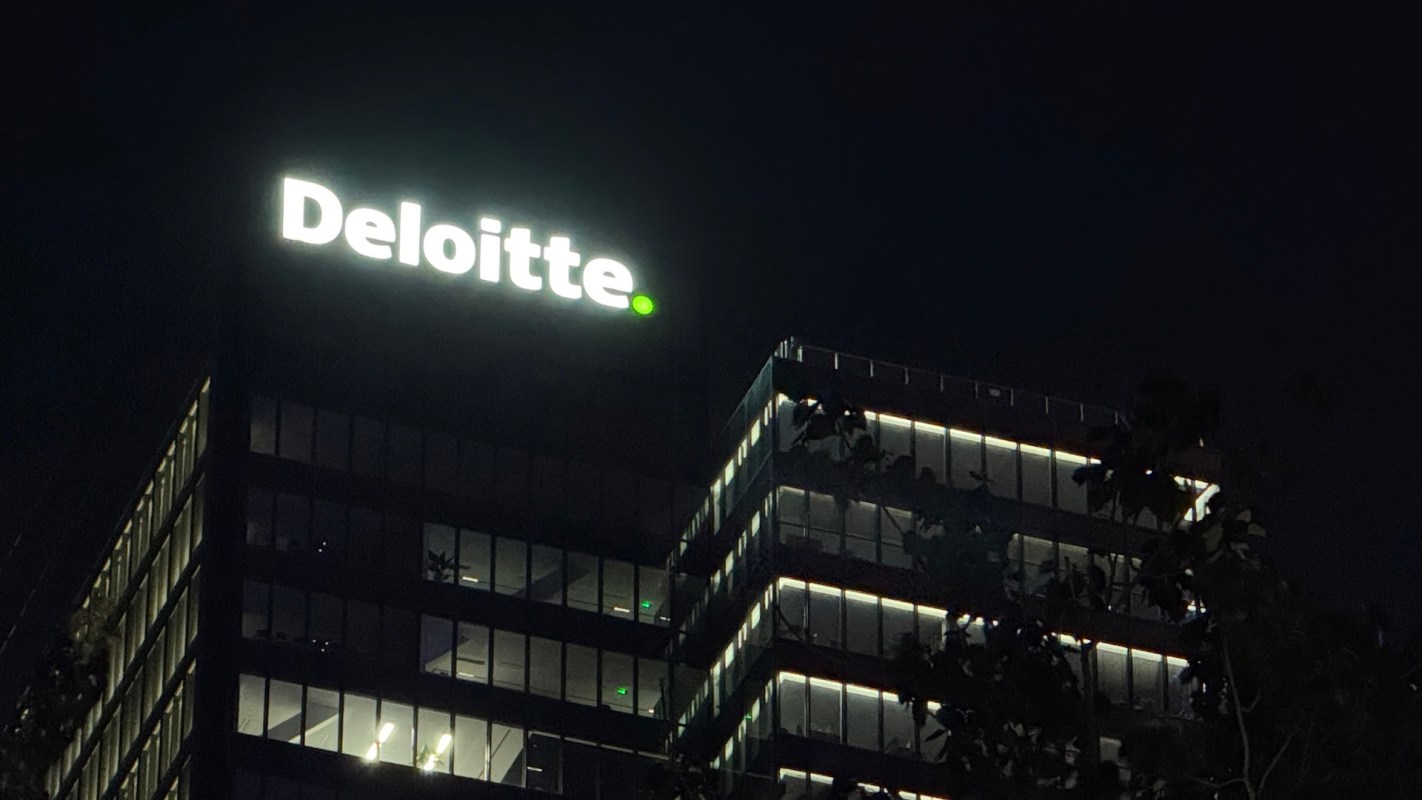
Public accounts approved by Deloitte Cyprus removed $672 million in assets linked to Russian oligarch Roman Abramovich — including yachts, private aircraft, and upscale residences — according to a new investigation into his offshore arrangements.
Critics argue that backdated records were used to hide wealth and avoid taxes, weakening the transparency rules most taxpayers are expected to follow.
Here's what to know
According to a joint BBC News report with BBC Panorama and the Bureau of Investigative Journalism, leaked documents from the Cyprus-based corporate services firm MeritServus show how Abramovich's advisers reacted when a 2006 law made Cypriot company accounts public.
In draft 2003 accounts prepared for Amiscan Investments, the company showed $672 million in assets. They included a Sussex mansion, a London flat, an estate in the south of France, helicopters, private jets, and boats, including the $147.5 million Pelorus.
The leaked files indicate that Abramovich's associates, working with MeritServus, tried to retroactively date a transfer of those assets to Amiscan's parent company in the British Virgin Islands, where public filings would not reveal them. After reviewing the papers, Deloitte Cyprus said they were "adequate" for removing the assets.
So when Deloitte signed the 2003 accounts in 2006, the assets listed for Amiscan had shrunk to just $75,000.
TCD Picks » Quince Spotlight
💡These best-sellers from Quince deliver affordable, sustainable luxury for all




Lord Prem Sikka, a professor of accounting at the University of Sheffield, said the handling amounted to a "violation of a statutory duty" and described it as "pretty scandalous" because the dates were allegedly misrepresented and the published accounts were not true and fair.
In a separate arrangement involving Abramovich's company Kravin Investments, barrister Andrew Mitchell KC — whom BBC Panorama identified as an expert in financial services law — said the conduct was "straightforward" tax evasion.
More background
After acquiring Chelsea Football Club in 2003, Abramovich spent years as one of the United Kingdom's best-known oligarchs and backed the club during its most successful stretch.
The BBC said that changed in 2022, when Russia's invasion of Ukraine prompted the U.K. to sanction him as an associate of President Vladimir Putin and force a sale of the club.
The Channel Island of Jersey has frozen £5.4 billion (over $7 billion) of his assets, and its criminal investigation continues.
Abramovich's lawyers told the BBC he denies the claims and said the Jersey case was being pursued "for political purposes."
Panorama said it uncovered another backdated paper trail involving Electus Investments, a Cyprus company with more than $10 billion in business assets. By using a British Virgin Islands company with the same name, MeritServus made it seem those assets had sat offshore since Nov. 20, 2003, while the Cyprus entity was left reporting just $145,000.
Disclosure rules and tax enforcement exist to fund public services and keep everyone to the same standards. Cypriot MP Christos Christofides said that if taxes had been evaded, "We have to see how we can get our money back and how, if some people are guilty, they have to pay the price according to our law."
What's being done?
The findings stem from leaked MeritServus records that partners in the International Consortium of Investigative Journalists' Cyprus Confidential project have examined since 2023, and that BBC Panorama and the Bureau of Investigative Journalism have reported.
MeritServus has shut down. Meanwhile, Jersey continues to freeze billions in Abramovich assets as its criminal inquiry proceeds.
Christofides said the state should try to recover any outstanding taxes and establish that "if some people are guilty, they have to pay the price according to our law."
Mitchell said: "What you take away from it is there are professionals who are prepared to bend and break the rules of their profession and therefore the law. And it looks that they will stop literally at nothing in terms of creating documents."
Deloitte Cyprus said it "acts in compliance with applicable laws" and, according to the BBC, said it could not respond to the specific claims because the records were more than 20 years old and no longer available.
Where can I learn more?
These stories examine other cases where powerful institutions or wealthy interests faced scrutiny for weak oversight and claims that didn't match the facts.
• An investigation showed Santander profited off new LNG projects by exploiting loopholes in its own policy.
• A report found that EU-regulated funds invested billions in polluters despite being marketed as sustainable.
• In Karnataka, India, politicians and celebrities faced backlash over luxury resorts on protected land.

Get TCD's free newsletters for easy tips, smart advice, and a chance to earn $5,000 toward home upgrades. To see more stories like this one, change your Google preferences here.






