


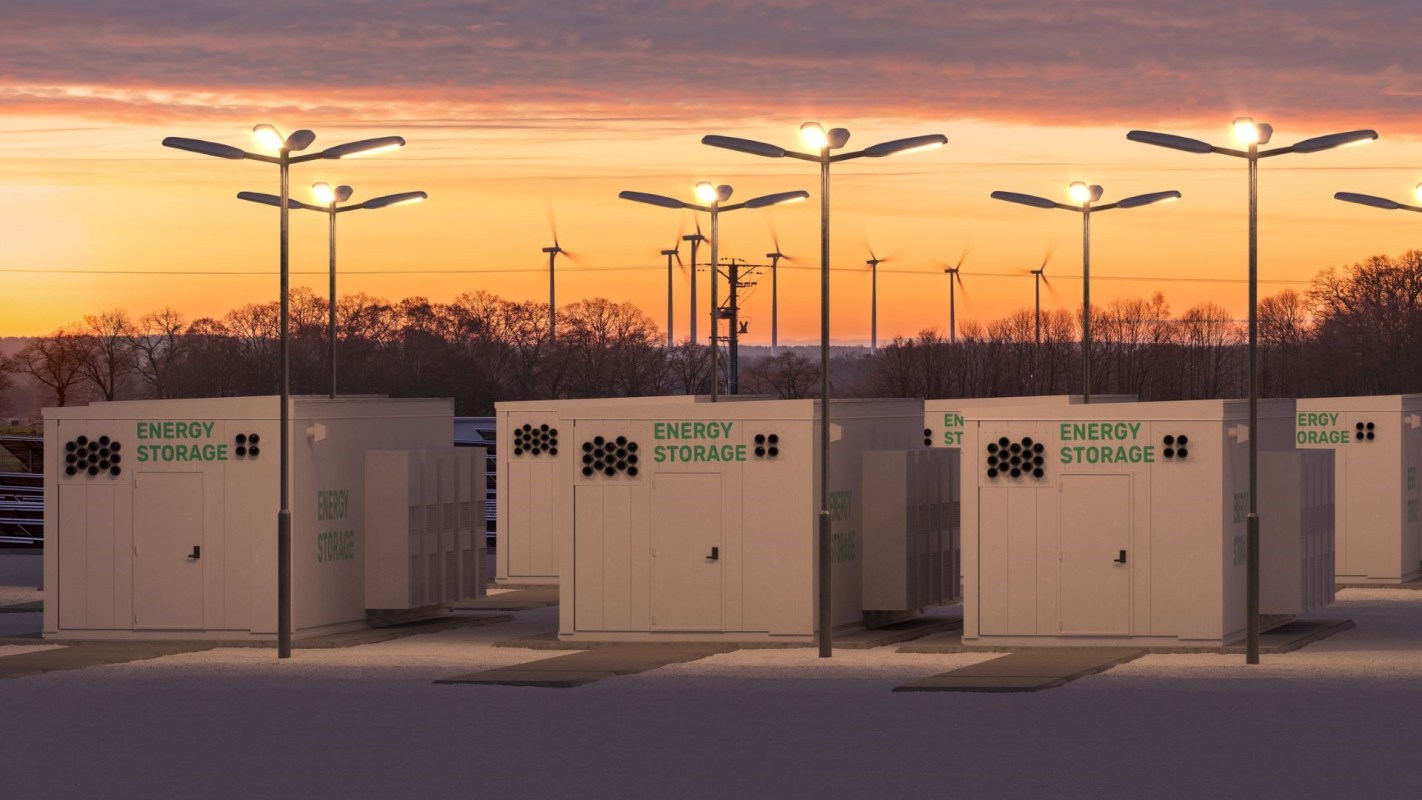
A massive battery proposed for South Jersey could give the region a new tool to handle some of the most expensive and stressful moments on the power grid, NJBIZ reported.
Atlantic City Electric wants to build a 500-megawatt battery storage facility in Salem County that it says could provide enough electricity for roughly 400,000 homes during peak demand, with no customer bill impact for the first five years after it begins operating.
What's happening?
According to NJBIZ, the proposal is now before the New Jersey Board of Public Utilities. Construction could begin only if regulators approve it, and Atlantic City Electric is targeting late 2030 for completion.
The system would store power during lower-demand periods and then send it back to the grid when usage surges. That can be especially valuable during brutally hot days, when air conditioners run constantly and the grid is under extra strain.
ACE Region President Andrew Hendry told the publication, "This project is a direct response to the energy supply challenges facing our region."
ACE said the facility would bolster South Jersey's in-state energy supply while easing strain on the wider regional system. The company also said it plans to develop the site with Invenergy, the largest privately held North American developer, owner, and operator of power infrastructure.
TCD Picks » Quince Spotlight
💡These best-sellers from Quince deliver affordable, sustainable luxury for all




Why does it matter?
New Jersey and the broader PJM region have been facing demand growth even as power generation fails to keep pace, a mismatch that can drive wholesale prices higher and raise reliability concerns during peak periods.
Because New Jersey imports close to half the electricity it uses, customers can be more exposed to swings in outside power markets. ACE said its average residential customer's monthly bill has risen by around $40 since 2024, and that 86% of the increase stems from higher PJM energy supply costs, according to NJBIZ.
Large-scale batteries can help ease some of that pressure by shifting energy to the hours when it is needed most. In practice, that can help utilities manage summer demand spikes, reduce the need for extraordinary grid measures, and potentially limit some of the future cost volatility that shows up on monthly bills.
What's being done?
ACE said the project would align with New Jersey's Garden State Energy Storage Program and support the state's energy storage goals.
The utility said the battery would serve as both a peak-demand support tool and a way to reinforce the local energy system as electricity use continues to grow.
ACE said it expects federal tax credits and revenue earned in PJM wholesale energy markets to cover nearly 70% of the project's total cost, NJBIZ reported. The company also said there would be no effect on bills for the first five years after the system begins operating.
The proposal still has to clear regulatory review before construction can move forward. ACE said it will need to show the New Jersey Board of Public Utilities that the project offers clear value for customers, and that it plans to keep working with area communities, stakeholders, and state officials as the process moves ahead.
"Now we are stepping up to take action to address this challenge," Hendry said. "Battery storage is a practical solution that can be deployed quickly to help manage rising energy costs for customers, strengthen reliability, and support the grid during periods of peak demand."

Get TCD's free newsletters for easy tips, smart advice, and a chance to earn $5,000 toward home upgrades. To see more stories like this one, change your Google preferences here.






