


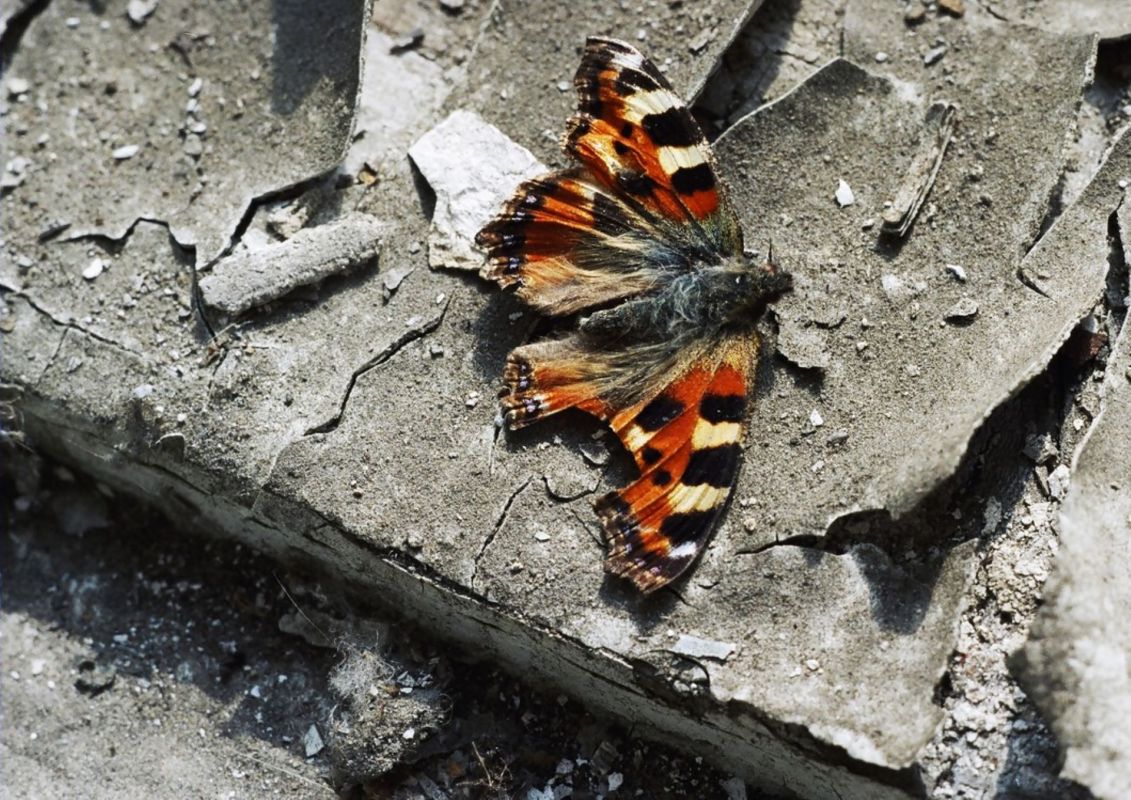
The Lepidoptera Research Collection is asking residents in Alabama, Georgia, Kansas, Nebraska, Oklahoma, and Texas to take part in a new citizen science initiative designed to help scientists study declining populations of important pollinators like moths and butterflies.
The group requests that residents send in dead specimens found in their communities. The six states were chosen for the pilot program because they lie in the migration path of the endangered Eastern monarch butterfly.
Scientists often attribute these species' decline to rampant pesticide use and habitat loss, but they now note additional contributing factors spurred by a warming planet, such as higher temperatures during the fall.
A report in Science showed an average yearly drop of 1.6% in butterfly populations from 1977 to 2018, and The New York Times noted a loss of about 900 million butterflies, or about 90% of the monarch butterfly population over the last two decades.
To further understand the causes behind these dwindling populations — including contamination and environmental factors — the U.S. government is seeking butterflies, moths, and other types of Lepidoptera.
To participate, residents can put dead specimens in a resealable plastic bag inside a sealed envelope to send to a collection center. Damaged and partial specimens larger than two inches are also acceptable.
TCD Picks » Quince Spotlight
💡These best-sellers from Quince deliver affordable, sustainable luxury for all




Specimens should be frozen for preservation if unable to be sent within three days. The current deadline for mail-in is November 1, with a possibility of extension into 2024. Since its April launch, the pilot program received about 100 submissions that citizens may view in an online registry.
Butterflies, moths, and other Lepidoptera play an essential role in the ecosystem as vital pollinators, critical links in the food chain, and ecological indicators of environmental health.
As Dr. Arthur Shapiro, professor emeritus of ecology at University of California, Davis, told the Times: "If butterflies are in trouble, it suggests a lot of things are in trouble."

Join our free newsletter for cool news and cool tips that make it easy to help yourself while helping the planet.







