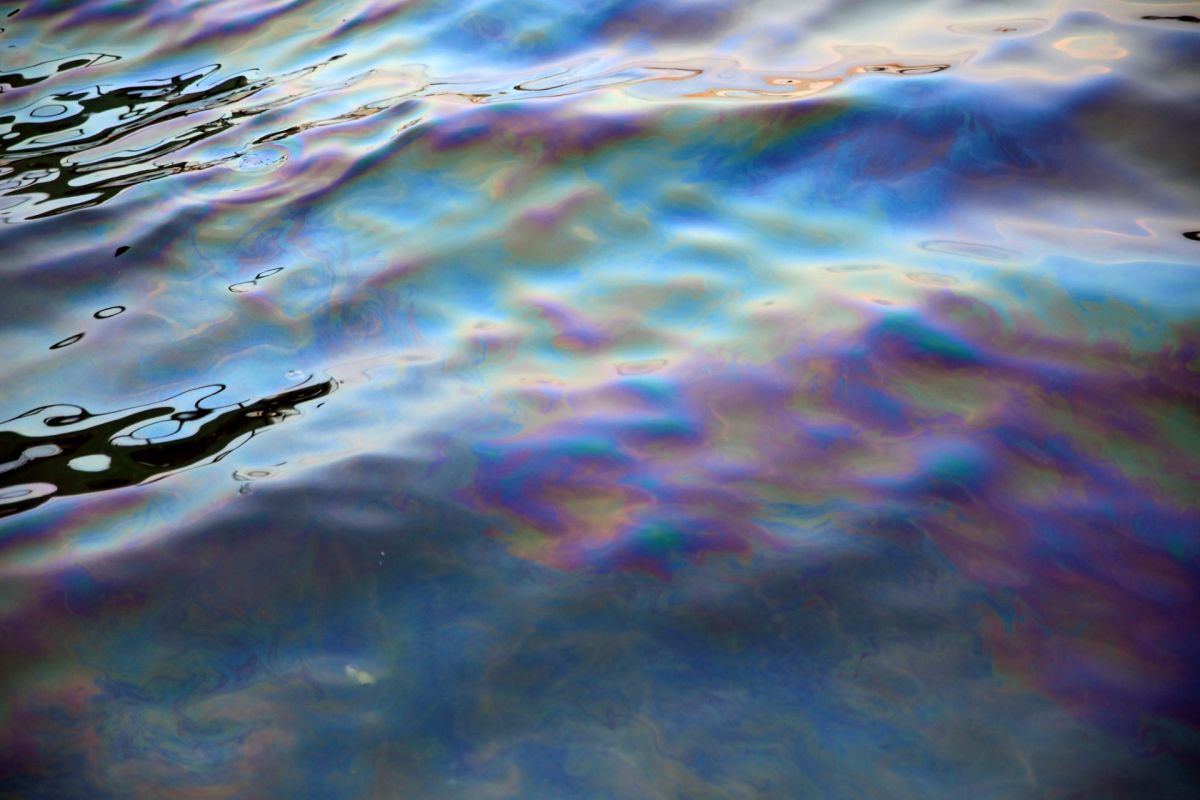
Dead fish and rainbow-colored slicks arrived in the floodwaters of Thailand's Prachin Buri province as residents blame upstream waste processing plants for pollution.
Here's what to know
Across Thailand, more than 3,000 facilities process waste, including imported plastics and electronics. Prachin Buri accounts for 155 of those plants, according to Thai PBS World.
The Ecological Alert and Recovery Thailand Foundation has warned about hazardous materials reaching recyclers because of shortcomings in import rules and enforcement.
"Thailand became a top destination for global trash after China banned the import of hazardous waste in 2018," EARTH stated, per Thai PBS World.
Trade agreements with Japan, China, and Australia exempt certain scrap imports from tariffs. Shipments can also enter the country under the guise of recyclable raw materials.
Customs officials struggle to distinguish genuinely recyclable electrical materials from contaminated waste. Waste plastic imports rose from 83,053 U.S. tons (75,343 metric tonnes) in 2014 to 169,466 U.S. tons (153,737 metric tonnes) in 2017 — more than double.
TCD Picks » Quince Spotlight
💡These best-sellers from Quince deliver affordable, sustainable luxury for all




More background
Crushing, smelting, or stripping electronic waste without adequate controls releases toxic substances, including heavy metals, into the surrounding air, soil, and water. EARTH documented 380 instances of unlawful industrial waste disposal from 2017 through 2025, with additional cases going unreported, per Thai PBS World.
According to the outlet, Soonthorn Khomkhai, a representative of the Strong Prachin Network, warned that chemical slicks and flood runoff could contaminate tens or hundreds of thousands of acres (tens of thousands of hectares) of farmland in Prachin Buri's Si Maha Phot and Kabin Buri districts. The contamination could also spread to neighboring provinces.
Thailand lacks a system for tracing waste through to disposal. Watchdogs also pointed to fragmented oversight of smuggling, factory violations, inspections, and compensation claims, per Thai PBS World. That leaves affected communities facing pollution while rogue operators avoid the costs of responsible disposal.
What's being done?
Industry Minister Varawut Silpa-archa sent 50 inspection teams to 3,049 high-risk waste facilities. Around half of the 752 sites checked Nov. 2-9 violated the Factory Act.
In Samut Sakhon, 134 of 146 facilities inspected Nov. 12-13 failed compliance checks. Three were suspended, and 54 others face criminal charges, according to Thai PBS World.
Legislators are now considering an Industrial Waste Management Bill and amendments to the Factory Act.
The proposals would raise maximum illegal dumping fines from 200,000 baht (about $5860) to tens of millions of baht and require polluters to restore contaminated land. They would also establish a Sustainable Industry Fund to support innovation and pollution remedies.
The Strong Prachin Network has called for testing of local water, soil, crops, and livestock. The group also wants a national committee led by the prime minister or a deputy to coordinate pollution tracing, food testing, ecosystem restoration, public health monitoring, and compensation.
Health and environment expert Sonthi Kotchawat urged imposing Extended Producer Responsibility and a Waste Electrical and Electronic Equipment Act, as well as a law establishing a Pollutant Release and Transfer Register.
Where can I learn more?
Other communities in Thailand and abroad are also dealing with flooding and polluted waterways.
• Bangkok declared the entire city a flood disaster zone as crews pumped water to sea.
• Thailand drained canals and added pumps as flooding killed 31 people and affected millions.
• Microplastics off Turkey's coast reached 65 times past highs, with signs of recycling waste.
• In Scotland, a suspected caustic soda spill killed fish in a River Spey tributary.
• In Bristol, England, a woman's persistent dead wildlife photos prompted a reopened River Avon investigation.

Get TCD's free newsletters for easy tips, smart advice, and a chance to earn $5,000 toward home upgrades. To see more stories like this one, change your Google preferences here.