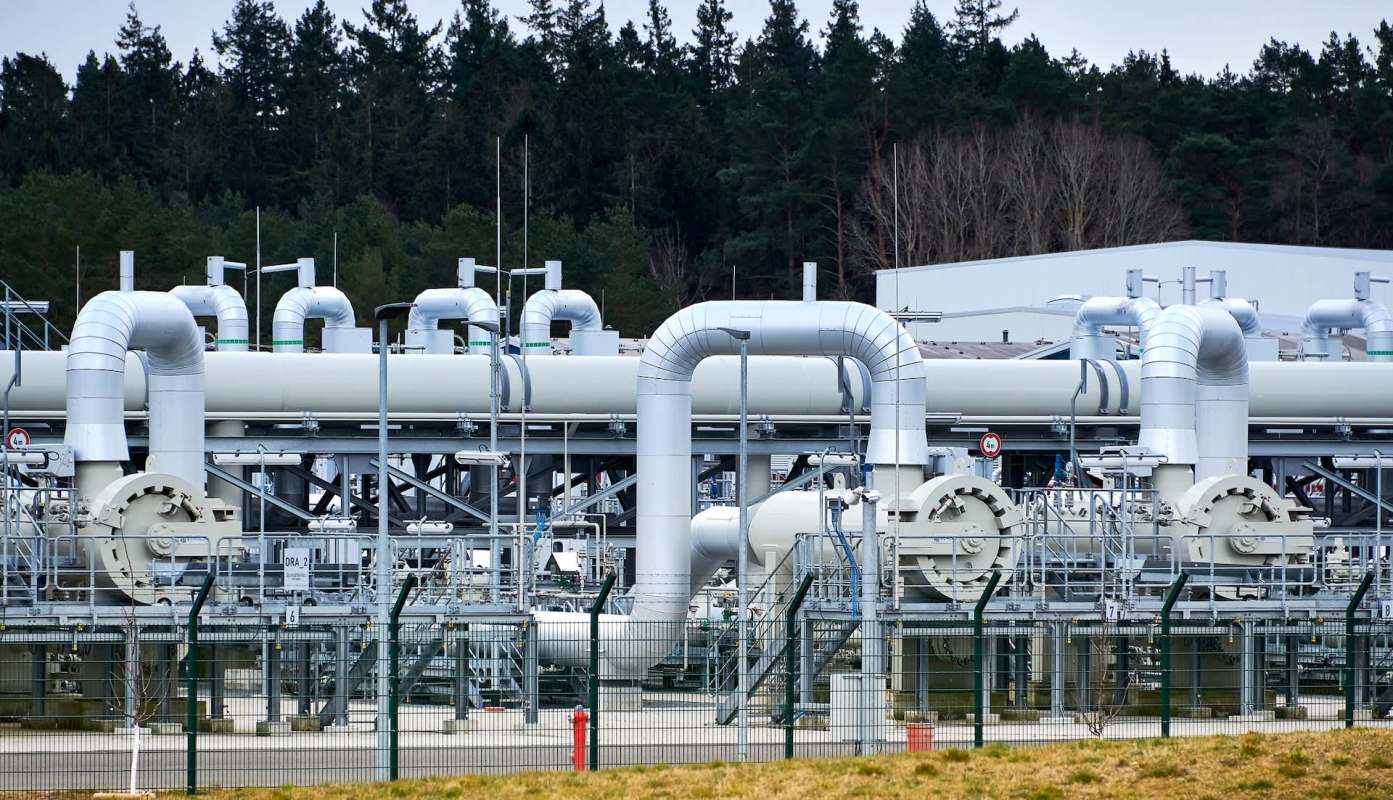
Germany's gas storage was just 56.5% full as Norwegian energy company Equinor signed a deal to supply the country through 2044.
The move cemented a commitment to nearly two more decades of fossil gas purchases while highlighting concerns about winter supplies.
Here's what to know
Equinor said its deliveries to German gas company VNG will begin at the start of 2027 and continue through the end of 2044. The 18-year agreement calls for 15.3 terawatt-hours annually, Reuters reported.
Equinor said the supplies will reach Germany's market through Trading Hub Europe. The annual volume is equivalent to 1.4 billion cubic meters.
Equinor said the deal runs at least as long as any Norwegian gas sales contract signed since the 1986 agreement for the North Sea Troll field.
"This milestone agreement with VNG demonstrates the continued demand for long-term gas supplies in Europe," Equinor CEO Anders Opedal said in the announcement. He said interest was also increasing in Central Europe for long-term supply deals, per Reuters.
TCD Picks » Quince Spotlight
💡These best-sellers from Quince deliver affordable, sustainable luxury for all




More background
European storage levels were 10 percentage points below the November 2025 figure, at 69% full, according to Gas Infrastructure Europe data cited by Reuters. That was a record low for November.
Germany was heading toward the winter heating season with storage at 56.5% of capacity. In November 2025, it stood at 71.2%.
Europe largely severed its energy ties with Moscow after Russia's full-scale invasion of Ukraine in 2022. Norway replaced Russia as Germany's largest gas supplier and provided 44% of its gas in 2025, Reuters reported.
Extracting, producing, and burning fossil fuels contribute to air and water pollution linked to asthma, heart disease, cancer, and premature death. The resulting heat-trapping pollution also worsens extreme weather that can destroy homes, livelihoods, and economies.
Continued dependence on fossil fuels exposes households to high energy costs. Industry lobbying can delay the adoption of cleaner, cheaper alternatives that help protect communities, too.
In that light, the agreement signals that while Germany and the continent are trying to move away from gas, there is still a long way to go.
What's being done?
VNG CEO Ulf Heitmueller said the agreement would improve planning for long-term deliveries to German customers while broadening and strengthening the company's gas supply portfolio.
VNG operates gas storage facilities and pipelines, Reuters noted. The company is based in Leipzig and majority-owned by utility EnBW.
Germany imported 1,031 terawatt-hours of gas in 2025, according to network regulator Bundesnetzagentur. VNG bought 409 terawatt-hours that year, making it one of the country's largest gas importers.
German utility Uniper has a separate contract with Equinor for 30 terawatt-hours of gas per year, as the outlet previously reported. That agreement was signed in August and will last 15 years.
Equinor said both parties had agreed not to disclose other commercial details of the VNG agreement. Its sales terms reflected "market prices," the company said.
Speaking to Reuters from the signing in Oslo, Heitmueller was optimistic about Germany's gas storage situation.
"As long as we don't see any additional serious supply interruptions, we will be fine," he said.
Where can I learn more?
Germany's long-term gas deal highlights the pressure to secure supplies even as the country pursues alternatives to fossil fuels.
• The U.K. faces a harsher winter as oil tops $100 and Europe's gas buffer thins.
• Germany has made a fossil-fuel exit pledge and targets 80% renewable power by 2030.
• Spain has capped gas price hikes at 15% and extended fuel relief amid market disruption.

Get TCD's free newsletters for easy tips, smart advice, and a chance to earn $5,000 toward home upgrades. To see more stories like this one, change your Google preferences here.